
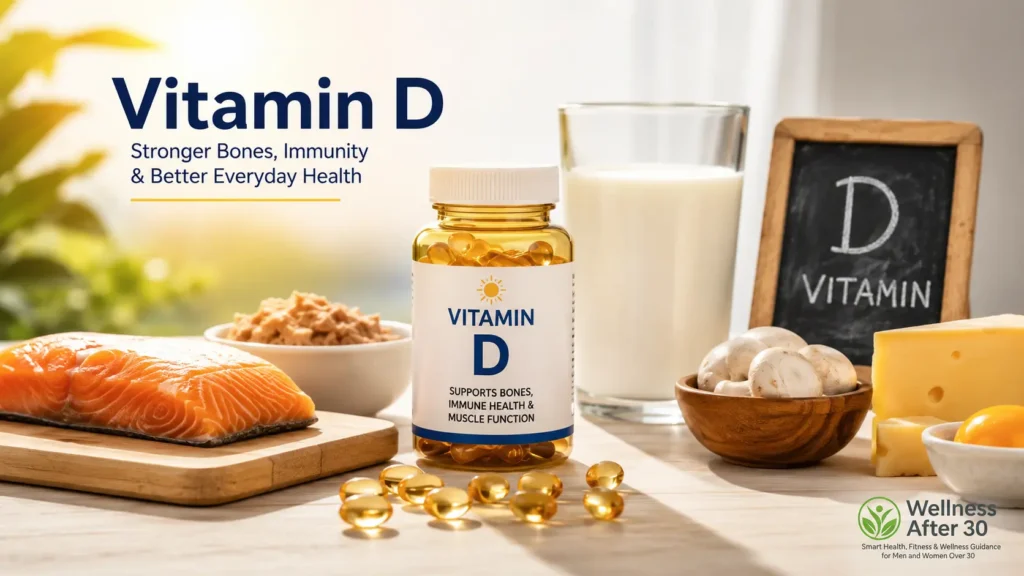
Why Most Indians Are Vitamin D Deficient Despite Living Under the Sun
Introduction
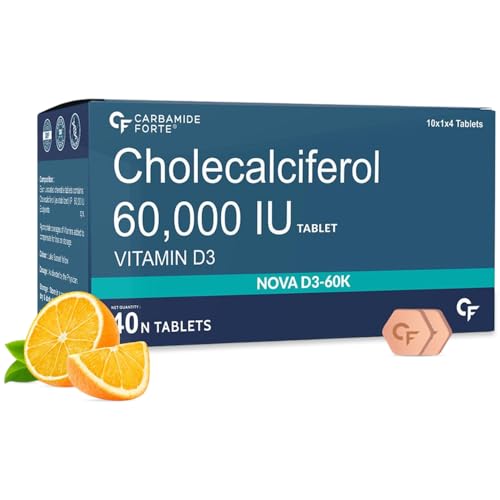
- ✅𝗩𝗜𝗧𝗔𝗠𝗜𝗡 𝗗 𝗧𝗔𝗕𝗟𝗘𝗧𝗦 𝗪𝗜𝗧𝗛 𝗬𝗨𝗠𝗠𝗬 𝗢𝗥𝗔𝗡𝗚𝗘 𝗙𝗟𝗔𝗩𝗢𝗨𝗥 : Enjoy the delightful taste of orange while maintaining your vitamin d3 le…
- ✅𝗩𝗜𝗧𝗔𝗠𝗜𝗡 𝗗𝟑 𝗦𝗨𝗣𝗣𝗟𝗘𝗠𝗘𝗡𝗧-𝗖𝗛𝗢𝗟𝗘𝗖𝗔𝗟𝗖𝗜𝗙𝗘𝗥𝗢𝗟 𝗧𝗛𝗘 𝗕𝗘𝗦𝗧 𝗔𝗕𝗦𝗢𝗥𝗕𝗘𝗗 𝗙𝗢𝗥𝗠 𝗢𝗙 𝗗𝟑 𝗩𝗜𝗧𝗔𝗠𝗜𝗡 : Vitamin D supplement 60000iu is in Choleca…
- ✅𝗩𝗜𝗧𝗔𝗠𝗜𝗡 𝗗 𝗧𝗔𝗕𝗟𝗘𝗧𝗦 𝗕𝗢𝗢𝗦𝗧𝗦 𝗜𝗠𝗠𝗨𝗡𝗜𝗧𝗬, 𝗠𝗢𝗢𝗗 & 𝗠𝗨𝗦𝗖𝗟𝗘 𝗙𝗨𝗡𝗖𝗧𝗜𝗢𝗡 : Elevate your overall well being with healthy Vitamin D leve…
A few months ago, a friend of mine — she’s 34, works from a corporate office in Gurugram, and genuinely takes care of herself — mentioned she’d been feeling tired for no obvious reason. Not “didn’t sleep well” tired. The kind of tired that doesn’t go away even after a good weekend. Her hair was thinning a bit. Her knees ached climbing stairs, which felt absurd for someone her age. She finally got a full blood panel done, half expecting thyroid issues.
Her vitamin D level came back at 11 ng/mL. Severely deficient. Vitamin D Deficiency!
She was stunned. “I live in India,” she said. “We have sun literally every single day. How is this even possible?”
If you’re above 30 and reading this, there’s a fair chance you’ve either been through something similar or know someone who has. And honestly, the surprise is understandable — it does feel counterintuitive. India isn’t short on sunshine. Yet study after study keeps showing the same thing: a large share of Indian adults, sometimes the majority tested in a given city or hospital, turn out to have low or deficient vitamin D levels. It’s one of the most common nutrient gaps doctors here report, right alongside iron and B12.
This article isn’t here to alarm you. It’s here to explain, clearly and honestly, why this happens, what it actually means for your body once you cross 30, and what the evidence really says about fixing it — including where that evidence is strong and where it’s still catching up.
Quick Summary
What it is: Vitamin D is a fat-soluble vitamin your skin produces when exposed to sunlight, and it also comes from a small number of foods and supplements. It behaves more like a hormone than a typical vitamin once it’s activated in the body.
Who it’s for: Adults over 30 who have limited sun exposure, spend most of the day indoors or in offices, have darker skin tone, live in urban India, or have symptoms like fatigue, bone or joint discomfort, and frequent infections.
Main benefits: Supports bone and muscle health, plays a role in calcium absorption, and contributes to normal immune function. Some emerging research links adequate vitamin D status to other areas of health, though those findings are still developing.
Safety: Generally safe within recommended doses. Vitamin D3 supplements are widely used and well-tolerated, but very high doses without medical supervision can cause problems, since it’s a fat-soluble vitamin that can build up in the body.
Overall verdict: For most Indian adults over 30, especially those with limited sun exposure or an office-bound lifestyle, checking vitamin D levels and supplementing when genuinely low is a reasonable, evidence-backed step — not a cure-all, but a legitimate gap worth closing.
Table of Contents
What Is Vitamin D?
Vitamin D is technically a fat-soluble vitamin, but it doesn’t behave much like the others in that family. Once your body activates it, it functions more like a hormone, traveling through your bloodstream and influencing how your cells absorb calcium, how your bones remodel themselves, and how certain parts of your immune system respond to threats.
There are two main forms you’ll come across:
Vitamin D3 (cholecalciferol) is the form your skin produces when UVB rays from sunlight hit it. It’s also the form found in animal-based foods and most supplements sold today.
Vitamin D2 (ergocalciferol) comes from plant and fungal sources, like mushrooms exposed to UV light. It’s less commonly used in supplements now because research generally shows D3 raises and maintains blood levels more effectively.
Here’s the part that surprises people: sunlight exposure is supposed to be the primary source. Your skin contains a compound called 7-dehydrocholesterol, and when UVB rays hit it, a chemical reaction converts it into vitamin D3. From there, your liver and kidneys convert it into its active form, called calcitriol, which is what actually does the work in your body — helping you absorb calcium from your gut, supporting bone mineralization, and interacting with immune cells.
So why does a country full of sunlight end up with widespread deficiency? That’s really the heart of this article, and it comes down to a mix of lifestyle, biology, and simple geography that most people never think about.
Why Vitamin D Becomes Important After 30
Nobody really worries about vitamin D in their twenties. Life is busy, energy feels endless, and bone health isn’t something you think about until it becomes a problem. But a few things shift once you cross 30, and they quietly change how much vitamin D your body needs and how well it can make its own.
Your skin’s efficiency at producing vitamin D declines with age. This isn’t dramatic in your thirties compared to your seventies, but the decline is gradual and starts earlier than most people expect. The same amount of sun exposure that gave you enough vitamin D at 22 may not do quite the same job at 35.
Bone density peaks in your late twenties to early thirties, then starts a slow decline. Vitamin D plays a direct role in helping your body absorb calcium, which is one of the building blocks bones need to stay strong. Once you’re past your peak bone mass years, keeping calcium absorption efficient becomes more important, not less.
Indoor, desk-bound lifestyles intensify after 30. Careers get busier. Commutes happen in cars or trains, not on foot. Weekends often mean catching up on rest or family responsibilities rather than being outdoors. It’s a quiet, cumulative shift — you’re simply not getting the midday sun exposure your body relies on, even if you live somewhere sunny.
Hormonal changes, especially for women, start affecting bone and calcium metabolism. As women approach perimenopause, usually starting sometime in their late thirties or forties, estrogen — which helps protect bone density — begins to decline. Since vitamin D and estrogen both play roles in calcium regulation, this stage makes adequate vitamin D status more relevant.
Weight and metabolic changes can also play a role. Vitamin D is fat-soluble, meaning it gets stored in fat tissue. As body composition shifts with age, this can affect how much vitamin D circulates freely in the blood versus how much gets tucked away in fat stores.
None of this means your body suddenly falls apart at 30. It’s more that the margin for error gets a little smaller, and habits that didn’t matter much before — like never going outside during daylight, or eating a diet with almost no vitamin D-rich foods — start to show their effects.
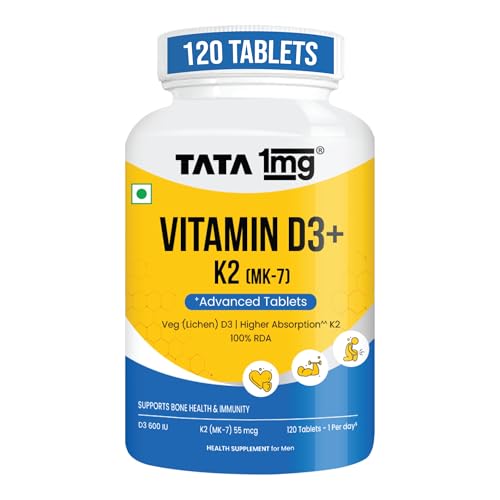
- Supports Bone Strength – 600 IU Vitamin D3 improves calcium absorption, while 55 mcg Vitamin K2 (MK-7) directs calcium t…
Signs You Might Need It
Vitamin D deficiency is sneaky. It rarely announces itself with one clear symptom. Instead, it tends to show up as a cluster of things that people often chalk up to stress, aging, or “just being busy.” Here’s what’s worth paying attention to:
Persistent fatigue that doesn’t improve with sleep or rest is one of the most commonly reported symptoms in people found to be deficient. It’s not the same as feeling sleepy — it’s more like a general lack of energy that lingers through the day.
Bone and joint discomfort, particularly a dull ache in the lower back, hips, or legs, is worth noting. Vitamin D deficiency can affect bone mineralization, and some people describe it as a deep ache rather than sharp pain.
Muscle weakness, especially noticing that everyday tasks like climbing stairs or getting up from a low chair feel harder than they should, is another commonly reported sign.
Frequent infections, particularly respiratory ones like colds that seem to come back often or take longer to clear, have been associated with low vitamin D status in some research, since the vitamin interacts with parts of the immune system.
Low mood or a general sense of feeling low, though it’s important to be careful here — this is an area where more research is genuinely needed, and vitamin D should never be treated as a stand-in for addressing mental health concerns properly.
Hair thinning has been reported anecdotally and in some smaller studies, though the vitamin D-hair connection isn’t as firmly established as bone-related effects.
Slow wound healing is another sign some clinicians look for, since vitamin D plays a role in skin cell function.
The honest truth is that these symptoms overlap heavily with a dozen other conditions — thyroid issues, iron deficiency, B12 deficiency, and just plain burnout. That overlap is exactly why a blood test, rather than guesswork, is the only reliable way to know your actual vitamin D status. The standard test is called 25-hydroxyvitamin D, or 25(OH)D, and it’s widely available at diagnostic labs across India.
Ingredient Breakdown
Vitamin D supplements are usually fairly simple compared to multi-ingredient formulas, but there’s still useful detail worth understanding.
Vitamin D3 (Cholecalciferol)
This is the dominant form used in nearly all modern supplements, and for good reason. Research comparing D2 and D3 supplementation has generally found that D3 is more effective at raising and sustaining blood levels of 25(OH)D over time. It’s derived either from lanolin (sheep’s wool) or, in vegan formulations, from lichen. If you’re vegetarian or vegan, it’s worth checking the source specifically, since lanolin-derived D3 is technically an animal product even though it’s not “meat” in the traditional sense.
Vitamin D2 (Ergocalciferol)
Plant or fungal-derived, and sometimes prescribed in very high, infrequent doses (like a weekly or monthly sachet) by doctors for correcting severe deficiency quickly. It’s less commonly found in daily-dose over-the-counter supplements now.
Vitamin K2 (Often Paired With D3)
Many newer supplement formulations combine D3 with K2 (usually as MK-7). The logic here is that vitamin D helps you absorb calcium, while vitamin K2 helps direct that calcium toward bones rather than soft tissue like arteries. There’s genuine scientific interest in this combination, but it’s worth being clear-eyed: the D3-K2 pairing is still an evolving area of research, and while it’s biologically plausible and reasonably promising, it isn’t as thoroughly established as vitamin D3 alone.
Carrier Oils and Excipients
Since vitamin D is fat-soluble, capsules and drops typically use a carrier oil — commonly sunflower oil, olive oil, or coconut oil-derived MCT oil — to help with absorption. This isn’t just filler; taking fat-soluble vitamins with a meal that contains some fat actually does improve absorption, which is why timing matters more than people realize.
Magnesium (Sometimes Included)
A smaller number of formulations include magnesium, since it’s a cofactor needed for the enzymes that convert vitamin D into its active form. This is a reasonable inclusion, though most people get adequate magnesium from a typical Indian diet rich in dals, nuts, and whole grains.
Benefits
Bone Health and Calcium Absorption
This is where the evidence is strongest and most consistent. Vitamin D’s core, well-established job is helping your intestines absorb calcium from the food you eat. Without enough vitamin D, your body can only absorb a fraction of the calcium it otherwise would, regardless of how much calcium-rich food you’re consuming. This matters most for people at risk of bone density loss, particularly women approaching or past menopause, and adults with a family history of osteoporosis. Correcting a genuine deficiency has been shown to support bone mineral density in people who started out low — though it’s worth noting this benefit is really about correcting a deficiency, not “boosting” already-normal bone health further.
Muscle Function and Strength
Vitamin D receptors exist in muscle tissue, and researchers have found associations between low vitamin D status and reduced muscle strength, particularly in older adults. This connection is more established in elderly populations than in the general 30-something crowd, but it’s still a reasonable part of why doctors pay attention to vitamin D status as people age.
Immune System Support
Vitamin D interacts with immune cells, including T-cells, in ways that researchers are still actively studying. Some observational studies have found associations between low vitamin D levels and increased susceptibility to respiratory infections. It’s important to be precise here: this doesn’t mean vitamin D prevents infections or treats illness. The evidence points to an association and a plausible biological mechanism, not a guaranteed protective effect.
Mood and Mental Wellbeing
This is genuinely one of the more debated areas. Some studies have found associations between low vitamin D and low mood, while others, including some larger, better-controlled trials, have found no significant effect of supplementation on mood in people who weren’t already deficient. If you’re dealing with persistent low mood, vitamin D testing can be a reasonable part of a broader conversation with your doctor, but it shouldn’t be treated as a solution on its own.
Muscle and Joint Comfort
People with significant deficiency sometimes report improvement in generalized aches once their levels are corrected. This is a real, documented pattern in clinical practice, though it applies specifically to people who were actually deficient to begin with — it’s not a general pain-relief supplement.
Scientific Evidence
It’s worth being upfront about where the science on vitamin D is solid and where it’s still developing, because supplement marketing often blurs this line.
Strong evidence exists for vitamin D’s role in calcium absorption and bone mineralization. This is well-established physiology, confirmed across decades of research, and it’s the basis for why rickets in children and osteomalacia in adults are treated with vitamin D correction.
Reasonably strong evidence supports vitamin D’s role in preventing deficiency-related bone and muscle issues in older adults, and several meta-analyses have looked at fracture risk reduction with supplementation, though results vary depending on the population studied, baseline vitamin D status, and whether calcium was co-administered.
Emerging but inconsistent evidence exists in areas like immune function, cardiovascular health, and mood. Large randomized controlled trials, including the VITAL trial (a major U.S.-based study involving tens of thousands of participants), tested vitamin D supplementation for outcomes like cancer and cardiovascular disease prevention in people without known deficiency, and generally found limited or no significant benefit for these specific outcomes in a population that wasn’t deficient to start with. This is an important nuance — it suggests that correcting an actual deficiency matters more than supplementing when your levels are already adequate.
Indian-specific research consistently documents the scale of the deficiency problem itself, with numerous hospital-based and community studies across different regions reporting high rates of low vitamin D status among Indian adults, though exact percentages vary by study, region, testing method, and the specific cutoff used to define “deficient” versus “insufficient.”
The honest summary: vitamin D correction clearly helps people who are genuinely deficient, particularly for bone and muscle-related outcomes. For people with already-adequate levels, supplementation hasn’t consistently shown extra benefit for broader outcomes like disease prevention. This is exactly why testing before supplementing high doses makes sense, rather than assuming more is automatically better.
Who Should Consider This Supplement?
- Adults over 30 who spend the majority of daylight hours indoors, whether due to office jobs, remote work, or lifestyle
- People with darker skin tones, since more melanin reduces the skin’s efficiency at producing vitamin D from sunlight
- Women who are pregnant, breastfeeding, or approaching perimenopause
- People who consistently use sunscreen and cover most of their skin when outdoors, for cultural, religious, or personal reasons
- Adults who’ve had blood work confirming low or deficient vitamin D levels
- Older adults, particularly those with limited mobility or who rarely go outside
- People with certain digestive conditions that affect fat absorption, since vitamin D is fat-soluble
Who Should Avoid It?
- People with normal or high vitamin D levels shouldn’t take high-dose supplements without medical guidance, since excess accumulation is possible
- Anyone with a history of kidney stones or hypercalcemia should talk to a doctor first, since vitamin D affects calcium levels
- People with sarcoidosis or certain other granulomatous diseases should be cautious, as these conditions can cause the body to process vitamin D abnormally
- Anyone on medications that interact with vitamin D metabolism, including certain steroids, seizure medications, or cholesterol-lowering drugs, should check with their doctor
- Pregnant and breastfeeding women should stick to doses recommended by their doctor rather than self-prescribing high amounts
Possible Side Effects
At normal, recommended doses, vitamin D3 is generally well-tolerated by most people, and side effects are uncommon. That said, it’s worth knowing what can happen, particularly with excessive intake:
Mild digestive upset, like nausea or stomach discomfort, is occasionally reported, especially when taken on an empty stomach.
Vitamin D toxicity, though rare, is a real possibility with very high, sustained doses over time — typically far beyond standard supplement doses, often from misuse of high-strength prescription formulations without monitoring. Symptoms can include nausea, vomiting, weakness, and in serious cases, elevated blood calcium levels, which can affect the kidneys and heart.
Headaches or fatigue have been reported by a small number of users, though it’s unclear whether this is directly caused by the supplement or coincidental.
The key takeaway: this isn’t a supplement where “more is better.” Vitamin D is fat-soluble, meaning your body stores excess rather than simply flushing it out, which is exactly why doses above what’s recommended should only be taken under medical supervision, ideally with periodic blood testing.
Dosage
Dosage recommendations vary depending on your current vitamin D status, age, and whether you’re correcting a deficiency or maintaining normal levels.
For general maintenance in adults with normal levels, many health bodies suggest somewhere in the range of 600–800 IU per day, though this varies by country and organization.
For adults found to be deficient, doctors in India commonly prescribe higher therapeutic doses for a defined period — this might look like a weekly high-dose sachet (such as 60,000 IU) for 8–12 weeks, followed by a lower maintenance dose. This kind of correction protocol should be guided by a doctor based on your actual blood test results, not self-prescribed.
Best time to take it: Since vitamin D is fat-soluble, taking it with a meal that contains some fat improves absorption meaningfully compared to taking it on an empty stomach. Many people find it easiest to pair it with breakfast or lunch, whichever meal reliably contains some fat, like ghee, nuts, or oil-cooked food.
With food or without: With food, ideally one containing fat. Taking it with black coffee or fruit alone, with no fat source, is likely to reduce how much your body actually absorbs.
It’s worth repeating: the right dose really depends on your test results. Someone with a level of 8 ng/mL needs a very different approach than someone at 22 ng/mL who just wants to maintain their status. Guessing your way through supplementation, especially with high-dose products, isn’t the ideal approach — a simple blood test removes the guesswork.
Pros and Cons
| Pros | Cons |
|---|---|
| Well-researched, especially for bone and calcium-related benefits | Benefits for non-deficient individuals are less clear |
| Widely available and generally affordable in India | Fat-soluble, so excess intake can accumulate over time |
| Simple to take — usually once daily, weekly, or monthly depending on form | Requires food with some fat for proper absorption |
| Available in multiple forms (capsules, drops, sachets) to suit different needs | High-dose correction protocols should be doctor-supervised |
| D3 form is well-tolerated by most people | Doesn’t replace safe sun exposure or dietary sources entirely |
Comparison With Similar Products
Vitamin D3 alone vs. Vitamin D3 + K2 combinations: Standalone D3 is the most researched option and is perfectly adequate for most people correcting a simple deficiency. D3+K2 combinations are gaining popularity based on plausible, complementary mechanisms around calcium metabolism, but the added research base specifically for the combination (versus D3 alone) is still growing. Neither is inherently “better” for everyone — it depends on your individual health picture, and this is worth discussing with a doctor if you have any calcium or cardiovascular concerns.
Vitamin D drops vs. capsules: Drops offer more flexible, precise dosing, which some doctors prefer for children or for fine-tuning adult doses. Capsules are more convenient for a fixed daily dose and tend to have longer shelf stability. Neither form is more or less effective when dosed equivalently.
Weekly/monthly high-dose sachets vs. daily low-dose supplements: High-dose sachets are typically used for correcting an existing deficiency quickly under medical guidance, while daily low-dose supplements are better suited for long-term maintenance once your levels are back in a healthy range. They serve different purposes rather than competing directly.
Vitamin D supplements vs. sunlight exposure: Sensible sun exposure (roughly 15–20 minutes of midday sun on exposed skin like arms and legs, a few times a week, without sunscreen) remains a valid and often underused way to support vitamin D production naturally. Supplements are a practical backup for people who genuinely can’t get consistent sun exposure, not necessarily a replacement for it.
Frequently Asked Questions
1. Why do so many Indians have vitamin D deficiency despite so much sunlight? It comes down to a mix of factors — most people spend the bulk of daylight hours indoors for work, urban pollution and cloud cover can reduce UVB penetration, darker skin tones require more sun exposure to produce the same amount of vitamin D, and cultural clothing habits or sunscreen use often limit direct skin exposure.
2. What is a normal vitamin D level? Generally, levels above 30 ng/mL are considered sufficient, 20–30 ng/mL is often classified as insufficient, and below 20 ng/mL is typically considered deficient, though exact cutoffs can vary slightly between labs and guidelines.
3. Can I get enough vitamin D from food alone? It’s difficult. Very few foods naturally contain significant vitamin D — fatty fish, egg yolks, and fortified foods are among the main sources, but Indian diets, particularly vegetarian ones, often don’t provide enough through food alone, which is why sunlight and supplementation matter more here.
4. How long does it take to correct a vitamin D deficiency? With appropriate supplementation guided by a doctor, many people see meaningful improvement in blood levels within 8–12 weeks, though this depends on how severe the initial deficiency was and how consistently the supplement is taken.
5. Is it safe to take vitamin D every day long-term? At standard maintenance doses, yes, for most healthy adults. High-dose, long-term supplementation without medical supervision is where caution is needed, since vitamin D can accumulate in the body.
6. Should I take vitamin D with calcium? Not necessarily as a rule — it depends on your dietary calcium intake and what your doctor recommends based on your specific situation. Vitamin D helps you absorb calcium, but that doesn’t automatically mean everyone needs a combined supplement.
7. Can vitamin D deficiency cause weight gain? The relationship is complex and not fully understood. Some studies show associations between low vitamin D and higher body fat, but it’s unclear whether deficiency contributes to weight gain, or whether higher body fat simply leads to lower circulating vitamin D since it’s fat-soluble and gets stored in fat tissue.
8. Do I need a blood test before starting a vitamin D supplement? It’s genuinely the best approach, especially if you’re considering anything beyond a basic daily maintenance dose. Testing tells you where you’re actually starting from, which matters a lot for figuring out the right dose.
9. Can too much vitamin D be harmful? Yes, though this typically happens from significant, prolonged overdosing, usually through misuse of high-strength prescription formulations, not from standard daily supplements taken as directed.
10. Is vitamin D3 better than vitamin D2? Most research suggests D3 is more effective at raising and maintaining blood vitamin D levels compared to D2, which is why D3 is the more commonly recommended and widely available form today.
11. Can vegetarians and vegans take vitamin D3 supplements? Vegetarians generally can, though it’s worth checking the source, since most D3 comes from lanolin (a sheep’s wool derivative). Vegan-specific D3 supplements made from lichen are available for those who want to avoid animal-derived ingredients entirely.
12. Does vitamin D help with hair fall? There’s some association reported in smaller studies between low vitamin D and hair thinning, but the evidence isn’t strong enough to call vitamin D a hair fall treatment. If you’re deficient, correcting it may help as part of overall health, but it shouldn’t be relied on as a standalone fix for hair loss.
13. What’s the best time of day to take vitamin D? Any time you’re eating a meal with some fat content works well, since it improves absorption. Many people find pairing it with breakfast or lunch easiest to remember consistently.
14. Can children and elderly adults take the same vitamin D dose? No, dosing needs vary significantly by age, body weight, and health status. Children and elderly adults should follow dosing specifically recommended by a pediatrician or physician rather than adult general guidelines.
15. How often should I retest my vitamin D levels? This depends on your starting point and treatment plan, but many doctors recommend retesting roughly 3 months after starting a correction protocol, and then periodically (such as annually) once levels are stable.
Final Verdict
Vitamin D deficiency is genuinely common among Indian adults, and the reasons make sense once you look at them — indoor lifestyles, skin tone, clothing habits, and simple lack of awareness all play a role, sunlight or not. If you’re over 30 and haven’t had your levels checked, it’s a reasonable, low-effort thing to look into, especially if you’re dealing with unexplained fatigue, bone or joint discomfort, or frequent infections.
That said, this isn’t a supplement to take blindly at high doses hoping for broad, sweeping benefits. The strongest evidence supports vitamin D’s role in bone health and calcium absorption, particularly for people who are actually deficient. Evidence for other benefits — immunity, mood, and beyond — is real but still developing, and it’s important not to oversell it.
Who should consider it: Adults with confirmed low or deficient levels, people with limited sun exposure, women approaching perimenopause, and anyone with symptoms consistent with deficiency who’ve confirmed it through testing.
Who might skip high-dose supplementation: People with already-normal levels who are looking for a general health boost — for them, sensible sun exposure and a balanced diet are likely sufficient, and unnecessary high-dose supplementation isn’t well-supported by current evidence.
Conclusion
My friend from Gurugram, by the way, is doing better now. Her doctor put her on a correction protocol, she started taking short walks outside during her lunch break instead of eating at her desk, and a few months later her energy came back — not overnight, but gradually, the way these things usually do.
Her story isn’t unusual. It’s oddly common, actually, which is exactly the point. Vitamin D deficiency doesn’t discriminate by how healthy your lifestyle otherwise looks. It sneaks in through small, everyday choices — the indoor office, the car commute, the sunscreen habit — that nobody thinks twice about until a blood report says otherwise.
If there’s one thing worth taking from all this, it’s simply to get tested if you’re unsure. It’s a small, inexpensive step that tells you something real about your body, instead of guessing based on how tired you feel or what worked for a friend. And if your levels do come back low, know that correcting it is usually straightforward, well-understood, and genuinely worth doing — not as a miracle fix, but as one solid piece of taking care of yourself after 30.
Where to Buy
If you and your doctor decide a vitamin D3 supplement makes sense for you, look for a reputable brand with third-party testing where available, and check the IU strength matches what’s been recommended for you.
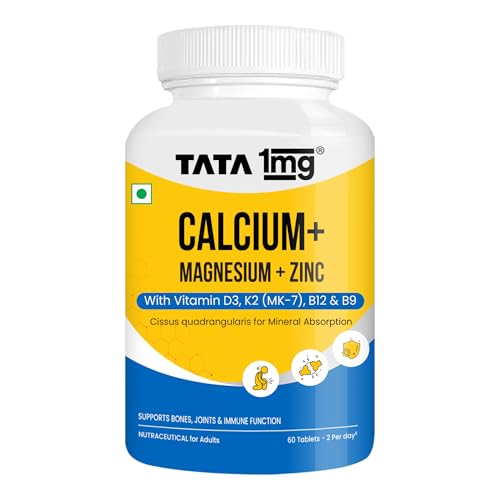
- Advanced Calcium Magnesium Zinc formula for bone support
- With Vitamin D3 & K2-7 for better calcium utilization
- Enriched with Hadjod & Black Pepper Extract
Affiliate Disclosure
Affiliate Disclosure: Some links on WellnessAfter30.com are affiliate links. If you purchase through these links, we may earn a small commission at no additional cost to you. This helps us continue publishing evidence-based health content. Thank you for your support.
Medical Disclaimer
The information provided in this article is for educational and informational purposes only and should not be considered medical advice. It is not intended to diagnose, treat, cure, or prevent any disease. Always consult a qualified healthcare professional before starting any supplement, especially if you are pregnant, breastfeeding, taking medications, or have an existing medical condition. Individual results may vary.
External References
- NIH Office of Dietary Supplements — Vitamin D Fact Sheet for Health Professionals: https://ods.od.nih.gov/factsheets/VitaminD-HealthProfessional/