


Magnesium Deficiency After 30: The Quiet Mineral Gap Nobody Talks About
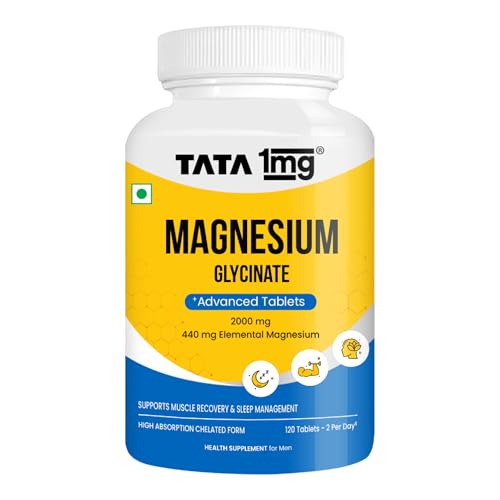
- Helps promote muscle recovery and supports nerve health
- Helps in maintaining a healthy sleep cycle and relaxation
- Contributes to cognitive function and overall well-being
Introduction
A colleague of mine, 37, used to joke that her calf muscles had a mind of their own. Almost every other night, somewhere between midnight and 3 a.m., she’d wake up to a cramp so sharp it would make her gasp. She tried stretching before bed. She tried drinking more water. She even bought a new mattress, convinced it was a sleep-posture issue. Nothing worked.
It was her physiotherapist, not a doctor, who first asked her a simple question: “How’s your magnesium?”
She hadn’t thought about it once. Like most people, she associated magnesium with something you’d find on a supplement shelf next to protein powders, not something tied to nightly leg cramps, restless sleep, or the low-grade tension headaches she’d started getting more often. A blood test later confirmed her magnesium was on the lower end of normal — not dangerously low, but low enough that her doctor suggested dietary changes and a modest supplement.
Within a few weeks, the cramps became rare instead of routine.
Magnesium doesn’t get the same attention as iron, vitamin D, or B12 in conversations about Indian nutrition, but it’s arguably just as overlooked — and just as relevant once you’re past 30. It’s involved in hundreds of processes in your body, quietly running in the background of nearly everything from muscle contraction to sleep regulation to how your heart maintains its rhythm. Let’s get into what it actually does, why it becomes more relevant with age, and what the evidence really supports.
Quick Summary
What it is: Magnesium is an essential mineral involved in over 300 enzymatic reactions in the body, including muscle and nerve function, blood sugar regulation, blood pressure control, and bone structure.
Who it’s for: Adults over 30 with diets low in whole grains, leafy greens, nuts, and legumes; people under chronic stress; those with frequent muscle cramps, poor sleep, or digestive conditions that affect absorption.
Main benefits: Supports normal muscle and nerve function, contributes to bone health, plays a role in energy metabolism, and may support healthy sleep and stress response — though some of these areas have more robust evidence than others.
Safety: Generally very safe from food sources. Supplemental magnesium is well-tolerated at recommended doses, with the most common side effect being mild digestive upset at higher doses, particularly with certain forms.
Overall verdict: A genuinely useful mineral to pay attention to after 30, especially if your diet leans heavily on refined grains and processed food. For most people, a mix of dietary adjustment and, where needed, a modest supplement is a reasonable, evidence-supported approach — not a fix for every ailment it’s sometimes marketed for.
Table of Contents
What Is Magnesium?
Magnesium is a mineral, not a vitamin, and your body holds onto most of it — around 60% — in your bones, with the rest spread across muscles, soft tissue, and a small amount circulating in your blood. It’s what’s known as a cofactor, meaning it’s required for enzymes to do their job properly. And there are a lot of those jobs: magnesium is involved in energy production at the cellular level, muscle contraction and relaxation, nerve signal transmission, regulating blood sugar, maintaining normal blood pressure, and supporting the structural development of bone.
Unlike vitamin D, your body can’t manufacture magnesium on its own. It comes entirely from what you eat — or, when diet falls short, from supplements. Good dietary sources include whole grains, leafy green vegetables (magnesium is actually part of the chlorophyll molecule that gives plants their green color), legumes, nuts, seeds, and to a lesser extent, dairy.
Here’s the catch: modern diets, including a lot of contemporary Indian eating patterns, have shifted toward more refined grains, processed foods, and less variety in vegetables and legumes than a generation or two ago. Refining wheat into maida, for instance, strips away much of the magnesium naturally present in the whole grain. This shift is a big part of why magnesium intake has quietly dropped across many populations, not just in India but globally.
Why Magnesium Becomes Important After 30
Magnesium isn’t a “young person” or “old person” nutrient — everyone needs it at every age. But several things converge after 30 that make paying attention to it more worthwhile.
Chronic stress becomes more common, and stress depletes magnesium. Cortisol, the stress hormone, increases how much magnesium your kidneys excrete through urine. Careers, family responsibilities, financial pressure — the accumulated stress load tends to climb through your thirties and forties, and with it, the rate at which your body loses magnesium.
Dietary patterns often get worse, not better, with busy adult life. Convenience eating, more processed food, more outside meals, and less home-cooked, whole-food-based meals are common shifts once careers and family responsibilities intensify. Since magnesium comes almost entirely from diet, this shift matters more than people realize.
Absorption efficiency can decline with age, particularly from the late thirties onward, though this effect is more pronounced in older adults than in someone who just turned 30.
Muscle and bone-related concerns start becoming more relevant. Magnesium works closely with calcium and vitamin D in maintaining bone structure, and it’s directly involved in how muscles contract and relax — which is part of why cramping and muscle tension tend to become a more noticeable issue for people in their thirties and beyond, especially those juggling desk jobs with occasional intense workouts.
Sleep quality often declines with age and stress, and magnesium plays a role in regulating the nervous system pathways involved in relaxation and sleep onset, which is one reason it’s frequently discussed in the context of sleep support — though, as we’ll cover, the research here is promising but not conclusive.
Certain common medications affect magnesium levels. Some blood pressure medications, diuretics, and long-term use of certain acid-reducing medications (proton pump inhibitors) can increase magnesium loss or reduce absorption — and prescriptions for these become more common as people move into their thirties, forties, and beyond.
None of this means magnesium deficiency is inevitable after 30. It just means the everyday factors that deplete it — stress, processed food, certain medications — tend to accumulate quietly during this stage of life.
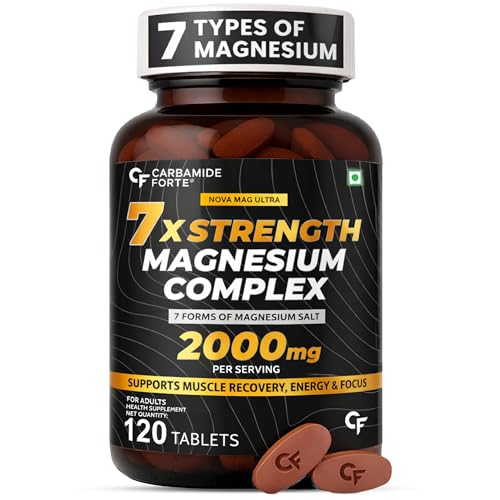
- ✅ 𝐌𝐀𝐆𝐍𝐄𝐒𝐈𝐔𝐌 𝐆𝐋𝐘𝐂𝐈𝐍𝐀𝐓𝐄 & 𝐌𝐀𝐆𝐍𝐄𝐒𝐈𝐔𝐌 𝐂𝐈𝐓𝐑𝐀𝐓𝐄 𝐈𝐍 𝟕𝐗 𝐌𝐀𝐆𝐍𝐄𝐒𝐈𝐔𝐌 𝐂𝐎𝐌𝐏𝐋𝐄𝐗 𝐒𝐔𝐏𝐏𝐋𝐄𝐌𝐄𝐍𝐓 – Unlike most other brands that offer just …
- ✅ 𝐓𝐑𝐈𝐏𝐋𝐄 𝐌𝐀𝐆𝐍𝐄𝐒𝐈𝐔𝐌 𝐂𝐎𝐌𝐏𝐋𝐄𝐗 𝐈𝐒 𝐍𝐎𝐓 𝐄𝐍𝐎𝐔𝐆𝐇 – 𝟕𝐗 𝐂𝐎𝐕𝐄𝐑𝐒 𝐀𝐋𝐋 𝐅𝐎𝐑𝐌𝐒 𝐎𝐅 𝐌𝐀𝐆𝐍𝐄𝐒𝐈𝐔𝐌 – 𝐏𝐇𝐀𝐑𝐌𝐀-𝐆𝐑𝐀𝐃𝐄 𝐐𝐔𝐀𝐋𝐈𝐓𝐘 𝐌𝐀𝐆𝐍𝐄𝐒𝐈𝐔𝐌 – Our advan…
- ✅ 𝐁𝐄𝐍𝐄𝐅𝐈𝐓𝐒 𝐎𝐅 𝐄𝐀𝐂𝐇 𝐒𝐀𝐋𝐓 𝐀𝐃𝐃𝐄𝐃 𝐈𝐍 𝐌𝐀𝐆𝐍𝐄𝐒𝐈𝐔𝐌 𝐒𝐔𝐏𝐏𝐋𝐄𝐌𝐄𝐍𝐓𝐒 – Each salt of magnesium added in magnesium complex supplement pl…
Signs You Might Need It
Magnesium deficiency, like most nutrient gaps, is rarely obvious in its early stages. Mild to moderate deficiency often shows up as vague, easy-to-dismiss symptoms rather than anything dramatic.
Muscle cramps and twitches, especially in the calves at night, are one of the most commonly reported signs, and they’re often what finally prompts someone to get tested.
Fatigue and low energy that doesn’t have an obvious cause is common, since magnesium plays a direct role in how your cells produce energy.
Trouble sleeping or restless sleep, including difficulty falling asleep or waking up frequently through the night, is often mentioned by people who turn out to be low in magnesium, though sleep issues obviously have many other possible causes too.
Increased stress reactivity or irritability — feeling more on-edge or overwhelmed than the situation really warrants — has been associated with low magnesium status in some research, tied to its role in regulating the nervous system.
Headaches, including tension-type headaches, are reported more frequently in people with lower magnesium levels, and magnesium has been studied specifically in the context of migraine, an area with somewhat stronger evidence than general headache relief.
Constipation can sometimes be a subtle sign, since magnesium plays a role in muscle contraction throughout the digestive tract, though it’s obviously a very nonspecific symptom.
Heart palpitations or an irregular sense of heartbeat, while uncommon, can occur with more significant deficiency and is worth mentioning to a doctor if it happens, since magnesium plays a role in normal heart rhythm.
As with most nutrient deficiencies, these symptoms overlap heavily with other conditions, so self-diagnosing based on symptoms alone isn’t reliable. Blood magnesium testing exists, though it’s worth knowing that standard serum magnesium tests only reflect a small fraction of your body’s total magnesium (most of which is stored in bone and tissue, not blood), so results can sometimes look “normal” even when there’s a milder, functional deficiency. This is a genuine limitation in how magnesium status is currently assessed, and it’s one reason doctors often consider symptoms and diet alongside any test results rather than relying on blood levels alone.
Ingredient Breakdown
Not all magnesium supplements are the same, and the “type” listed on the label — usually attached to the mineral as a compound — affects both absorption and side effects.
Magnesium Glycinate
Magnesium bound to glycine, an amino acid. This form is well-absorbed and tends to be gentler on the digestive system compared to some other forms, which is why it’s commonly recommended for people specifically looking to avoid digestive upset, or who are taking magnesium in the evening for its calming, sleep-supportive reputation.
Magnesium Citrate
Magnesium bound to citric acid. It’s reasonably well-absorbed and widely available, though it has a mild laxative effect at higher doses, which is actually why it’s also used medically as a constipation remedy in higher-dose formulations. For general supplementation, lower doses are typically used.
Magnesium Oxide
A common, inexpensive form found in many over-the-counter supplements. It contains a higher percentage of elemental magnesium by weight, but research suggests it’s less efficiently absorbed than glycinate or citrate, and it’s more likely to cause digestive discomfort, including a laxative effect.
Magnesium Malate
Magnesium bound to malic acid, a compound involved in cellular energy production. It’s sometimes marketed specifically for fatigue and muscle-related support, though the evidence specifically distinguishing it from other well-absorbed forms is still limited.
Magnesium L-Threonate
A newer form that’s generated interest because of early research suggesting it may cross the blood-brain barrier more effectively than other forms, leading to interest in cognitive and brain-health applications. It’s worth being clear that this research is still in relatively early stages, mostly from smaller studies, and it shouldn’t be assumed to have the same weight of evidence as magnesium’s more established roles in muscle and bone health.
Magnesium Chloride and Topical Magnesium (Oils, Sprays)
Used both orally and topically. Topical magnesium, like “magnesium oil” sprays or Epsom salt baths, is popular for muscle relaxation, but the evidence that magnesium is meaningfully absorbed through the skin in amounts sufficient to affect blood levels is limited and inconsistent. Any relaxing effect from a warm Epsom salt bath may have more to do with the warm water and the ritual of winding down than the magnesium itself — this is genuinely an area where more research is needed.
Benefits
Muscle Function and Cramp Reduction
This is one of the more practically noticeable benefits people report. Magnesium is directly involved in how muscles contract and then relax again, and low levels have been associated with increased muscle cramping in some studies, though research specifically on nocturnal leg cramps has produced mixed results — some studies show benefit, particularly in people who were genuinely low in magnesium to begin with, while others show more modest effects. It’s a reasonable thing to address a persistent cramping issue with, but it isn’t a guaranteed fix for everyone.
Sleep Support
Magnesium is involved in regulating neurotransmitters that calm the nervous system, including GABA, which plays a role in promoting relaxation. Some smaller studies have found that magnesium supplementation can modestly improve sleep quality, particularly in older adults or people with mild deficiency. That said, the effect size in these studies is often fairly modest, and magnesium is best thought of as one supportive piece of a good sleep routine, not a sleep aid on the level of prescription medication.
Stress and Mood Support
There’s genuine, growing scientific interest in magnesium’s role in stress regulation, given its involvement in the body’s stress-response pathways. Some studies have found associations between low magnesium intake and higher reported stress or anxiety symptoms, and a handful of small trials have shown modest improvements in self-reported anxiety with supplementation. However, this remains an area where the research base, while promising, is still relatively limited in size and consistency, and magnesium shouldn’t be treated as a replacement for appropriate mental health care when it’s genuinely needed.
Bone Health
Roughly 60% of your body’s magnesium is stored in bone, where it contributes to bone structure and interacts with both calcium and vitamin D in bone metabolism. Research suggests adequate magnesium intake is associated with better bone mineral density, making it a relevant, if often overlooked, part of the broader bone health conversation that usually focuses only on calcium and vitamin D.
Blood Pressure and Cardiovascular Health
Several studies have found associations between higher magnesium intake and modestly lower blood pressure, and magnesium plays a role in how blood vessels relax. This is a genuinely researched area, though it’s important to note that magnesium supplementation is not a substitute for prescribed blood pressure medication, and anyone with hypertension should continue following their doctor’s treatment plan rather than replacing it with a supplement.
Blood Sugar Regulation
Magnesium is involved in how your body processes insulin and glucose, and several studies have found associations between low magnesium status and increased risk factors related to blood sugar regulation. This is an active area of research, and while the biological mechanism is well understood, magnesium supplementation isn’t a treatment for diabetes and shouldn’t be used as one without medical guidance.
Scientific Evidence
Magnesium research spans a wide range of health areas, and it’s worth being clear about where the evidence is firmer versus where it’s still emerging.
Well-established evidence exists for magnesium’s fundamental role in muscle function, nerve transmission, bone structure, and enzymatic reactions throughout the body. This is basic physiology, confirmed extensively over decades.
Reasonably supported evidence exists for magnesium’s role in blood pressure regulation, with several meta-analyses showing modest but statistically meaningful reductions in blood pressure with supplementation, particularly in people with lower baseline magnesium intake. Evidence also reasonably supports its use in migraine prevention, where certain clinical guidelines recognize magnesium as one option among several for reducing migraine frequency in some patients.
Global and India-specific intake data consistently shows magnesium intake falling short of recommended levels in large portions of the population. A 2024 analysis published in The Lancet Global Health estimated that roughly 2.4 billion people worldwide, close to a third of the global population, had insufficient dietary magnesium intake, with South Asia identified as a region of particular concern. Indian studies focused on older adults have found a substantial share not meeting recommended daily magnesium intake through diet alone.
Emerging but less conclusive evidence exists for magnesium’s role in sleep quality, anxiety and stress symptoms, and blood sugar regulation. The biological mechanisms are plausible and well-understood, and small studies often show modest positive results, but the research base in these specific areas — particularly well-designed, larger randomized controlled trials — is still developing. This is exactly the kind of area where supplement marketing tends to run ahead of the actual science, so it’s worth staying a little skeptical of bold claims here.
The fair summary: magnesium’s core roles in muscle, nerve, and bone function are solid, well-established science. Its more popularly discussed roles in sleep, stress, and mood are biologically plausible and worth paying attention to, but the evidence, while encouraging, isn’t yet at the level where sweeping claims are appropriate.
Who Should Consider This Supplement?
- Adults over 30 whose diets are low in whole grains, leafy greens, legumes, nuts, and seeds
- People experiencing frequent muscle cramps, particularly at night
- Those under regular, significant stress, since stress increases magnesium excretion
- People with poor sleep quality who’ve ruled out other common causes
- Adults with migraines, in consultation with a doctor about appropriate use
- People taking medications known to deplete magnesium, such as certain diuretics or long-term proton pump inhibitors, under medical guidance
- Athletes or people with physically demanding routines who lose magnesium through sweat
Who Should Avoid It?
- People with kidney disease or impaired kidney function should avoid magnesium supplements unless specifically directed by a doctor, since the kidneys are responsible for clearing excess magnesium
- Anyone taking certain antibiotics or medications where magnesium can interfere with absorption should space out dosing as advised by a pharmacist or doctor
- People with a history of very low blood pressure should use magnesium cautiously given its blood-pressure-lowering properties
- Anyone with a heart block or certain cardiac conduction issues should consult a cardiologist before supplementing
- People already consuming a nutrient-dense, varied diet with adequate magnesium intake likely don’t need additional supplementation beyond food sources
Possible Side Effects
Magnesium from food is essentially free of side effects for healthy people, since your body regulates absorption from dietary sources reasonably well. Supplemental magnesium is generally well-tolerated too, but a few things are worth knowing.
Digestive upset, including loose stools or diarrhea, is the most commonly reported side effect, particularly with magnesium oxide or citrate at higher doses. This is essentially an overflow effect — unabsorbed magnesium draws water into the intestine.
Cramping or nausea can occur, especially when starting at a higher dose rather than gradually increasing.
Magnesium toxicity is rare in people with normal kidney function, since the kidneys are quite efficient at clearing excess magnesium. It becomes a genuine concern primarily in people with significant kidney impairment, where excess magnesium can build up and cause serious symptoms, including dangerously low blood pressure, irregular heartbeat, or breathing difficulty in severe cases.
Interactions with medications are worth being aware of — magnesium can reduce the absorption of certain antibiotics and osteoporosis medications if taken at the same time, so spacing doses a few hours apart is generally recommended.
The general pattern: magnesium is one of the gentler supplements available, and side effects are usually a matter of dose and form rather than a sign of a dangerous reaction — but that doesn’t mean it’s risk-free for everyone, particularly those with kidney issues.
Dosage
General adult recommendations commonly cited in nutrition guidelines suggest roughly 400–420 mg per day for adult men and around 310–320 mg per day for adult women, with slightly higher needs during pregnancy. These figures can vary a little depending on the specific guideline referenced, and individual needs can differ based on health status, activity level, and diet.
For supplementation specifically, many over-the-counter products provide somewhere between 100–400 mg of elemental magnesium per dose, and it’s generally sensible to start on the lower end and increase gradually if needed, both to assess tolerance and to reduce the chance of digestive upset.
Best time to take it: This depends somewhat on your goal. Many people take magnesium in the evening, partly because of its association with relaxation and sleep support, and partly for simple convenience. There’s no strong evidence that morning versus evening dosing significantly changes its effectiveness for most purposes, so it often comes down to personal routine and what helps you remember to take it consistently.
With food or without: Taking magnesium with food can help reduce the likelihood of stomach upset, particularly with forms like citrate or oxide. It doesn’t require a fat-containing meal the way vitamin D does, since magnesium isn’t fat-soluble.
As always, if you’re taking magnesium for a specific concern — persistent cramps, sleep issues, or as part of managing another health condition — it’s worth discussing the right form and dose with a doctor, particularly if you’re on other medications or have any kidney-related history.
Pros and Cons
| Pros | Cons |
|---|---|
| Involved in over 300 essential bodily processes | Standard blood tests don’t always accurately reflect total body magnesium status |
| Multiple well-absorbed forms available (glycinate, citrate) | Some forms (oxide) are poorly absorbed and more likely to cause digestive upset |
| Generally very safe, even at higher doses, for people with normal kidney function | Evidence for sleep, mood, and stress benefits is promising but still developing |
| Easy to combine with a balanced diet for most people | Not appropriate for people with kidney disease without medical supervision |
| Reasonably affordable and widely available in India | Can interact with certain antibiotics and medications if not timed properly |
Comparison With Similar Products
Magnesium glycinate vs. magnesium citrate: Glycinate is generally gentler on the stomach and well-suited for people prioritizing sleep or relaxation support, while citrate is well-absorbed too but more likely to have a mild laxative effect, making it a reasonable choice for people who also deal with occasional constipation. Neither is universally “better” — it depends on what you’re using it for and how your digestive system responds.
Magnesium oxide vs. better-absorbed forms: Oxide is cheaper and widely available, and it does still provide magnesium, but its lower absorption rate and higher likelihood of digestive side effects make glycinate or citrate a generally more practical choice for most people who aren’t specifically looking for a laxative effect.
Magnesium supplements vs. Epsom salt baths: Epsom salt baths are a popular, low-cost relaxation ritual, but the evidence that meaningful amounts of magnesium are absorbed through the skin into the bloodstream is limited and inconsistent. They’re a pleasant way to unwind, but shouldn’t be relied on as a primary way to correct an actual magnesium deficiency.
Magnesium supplements vs. dietary sources: Whole foods like almonds, pumpkin seeds, spinach, and whole grains provide magnesium alongside fiber, other minerals, and beneficial plant compounds that a supplement alone can’t replicate. For most people without a diagnosed deficiency, prioritizing these foods is a reasonable first step, with supplementation as a practical backup when diet alone isn’t consistently meeting needs.

- ✅𝐁𝐄𝐓𝐓𝐄𝐑 𝐀𝐁𝐒𝐎𝐑𝐏𝐓𝐈𝐎𝐍 & 𝐁𝐄𝐓𝐓𝐄𝐑 𝐁𝐈𝐎𝐀𝐕𝐀𝐈𝐋𝐀𝐁𝐈𝐋𝐈𝐓𝐘 𝐖𝐈𝐓𝐇 𝐌𝐀𝐆𝐍𝐄𝐒𝐈𝐔𝐌 𝐆𝐋𝐘𝐂𝐈𝐍𝐀𝐓𝐄 𝐒𝐔𝐏𝐏𝐋𝐄𝐌𝐄𝐍𝐓 Magnesium Glycinate is absorbed better t…
- ✅𝟐𝟎𝟎𝟎𝐦𝐠 𝐂𝐇𝐄𝐋𝐀𝐓𝐄𝐃 𝐌𝐀𝐆𝐍𝐄𝐒𝐈𝐔𝐌 𝐆𝐋𝐘𝐂𝐈𝐍𝐀𝐓𝐄 𝐒𝐔𝐏𝐏𝐋𝐄𝐌𝐄𝐍𝐓 𝐏𝐄𝐑 𝐒𝐄𝐑𝐕𝐈𝐍𝐆: helated Magnesium Glycinate 2000mg delivers 440mg of Elemen…
- ✅ 𝐒𝐔𝐏𝐏𝐎𝐑𝐓 𝐑𝐄𝐃𝐔𝐂𝐄𝐃 𝐌𝐔𝐒𝐂𝐋𝐄 𝐂𝐑𝐀𝐌𝐏𝐒, 𝐓𝐈𝐆𝐇𝐓𝐍𝐄𝐒𝐒 & 𝐒𝐎𝐑𝐄𝐍𝐄𝐒𝐒 𝐖𝐈𝐓𝐇 𝐌𝐀𝐆𝐍𝐄𝐒𝐈𝐔𝐌 𝐓𝐀𝐁𝐋𝐄𝐓𝐒:Does muscle pain and leg cramps affect your…
Frequently Asked Questions
1. What are the most common signs of magnesium deficiency? Muscle cramps (especially at night), fatigue, poor sleep, increased stress reactivity, and headaches are among the most commonly reported signs, though these symptoms overlap with several other conditions, so they aren’t definitive on their own.
2. Why is magnesium deficiency so common even with a normal diet? Modern diets, including many contemporary Indian eating patterns, have shifted toward more refined grains and processed foods, which strip away much of the magnesium naturally present in whole foods. Combined with chronic stress, which increases magnesium loss, intake often falls short even in people who feel like they eat reasonably well.
3. Which foods are highest in magnesium? Leafy greens like spinach, whole grains like bajra and ragi, legumes, nuts (especially almonds and cashews), pumpkin seeds, and dark chocolate in moderation are all good dietary sources.
4. What’s the best form of magnesium to take? It depends on your goal. Magnesium glycinate is often preferred for general use and sleep support due to good absorption and gentler digestive effects, while magnesium citrate is a reasonable, widely available option too, with a more noticeable effect on bowel movements at higher doses.
5. Can magnesium help with anxiety? There’s promising but still limited evidence suggesting magnesium may support stress and anxiety regulation, given its role in the nervous system. It shouldn’t be treated as a replacement for professional mental health support when that’s needed.
6. Does magnesium really help with sleep? Some smaller studies show modest improvements in sleep quality with magnesium supplementation, particularly in people with lower baseline levels. It’s a reasonable, low-risk thing to try as part of a broader sleep routine, though it isn’t a guaranteed fix for insomnia.
7. Is it safe to take magnesium every day? For most healthy adults with normal kidney function, yes, within recommended dosage ranges. People with kidney disease should only take magnesium supplements under medical supervision.
8. Can I take magnesium and vitamin D together? Yes, and there’s actually a reasonable rationale for it, since magnesium is needed for the enzymes that convert vitamin D into its active form. Many people take both, though it’s still worth checking your individual dosing needs with a doctor.
9. How long does it take to notice a difference after starting magnesium? This varies widely depending on the reason you’re taking it and how deficient you were to begin with. Some people notice a reduction in muscle cramps within a couple of weeks, while other benefits, like sleep or stress-related effects, may take longer or be more subtle.
10. Can too much magnesium be harmful? From food, this is essentially not a concern. From supplements, excess magnesium is usually just excreted by the kidneys and may cause temporary digestive upset, but in people with kidney impairment, excess magnesium can build up and become genuinely dangerous, which is why kidney health is an important factor to consider.
11. Does magnesium help with muscle cramps during exercise? Some studies suggest it may help in people who are actually deficient, but for exercise-related cramping in people with normal magnesium levels, the evidence is less consistent, and factors like hydration and electrolyte balance often play a bigger role.
12. Is magnesium good for women approaching perimenopause? Magnesium’s roles in bone health, sleep, and stress regulation make it a reasonable nutrient to pay attention to during this life stage, though it should be considered alongside, not as a replacement for, broader conversations with a doctor about perimenopause-related changes.
13. Can vegetarians get enough magnesium from an Indian diet? It’s very possible with the right food choices, since legumes, whole grains, nuts, and leafy greens are all naturally rich in magnesium and common in vegetarian Indian diets. The issue tends to be more about the shift toward refined grains and processed foods than vegetarianism itself.
14. Should I get a blood test before taking a magnesium supplement? It can help, though it’s worth knowing standard blood magnesium tests have real limitations, since they don’t fully reflect the body’s total magnesium stores. Discussing your symptoms and diet with a doctor alongside any test results tends to give a more complete picture.
15. What’s the difference between magnesium citrate and magnesium malate? Citrate is well-absorbed and has a mild laxative effect at higher doses, while malate is sometimes preferred by people focused on energy and muscle-related support, though the evidence distinguishing malate specifically from other well-absorbed forms is still fairly limited.
Final Verdict
Magnesium is one of those nutrients that’s easy to overlook simply because it doesn’t have a single, dramatic deficiency disease attached to it the way, say, vitamin B12 does. But its involvement in muscle function, bone health, sleep regulation, and stress response makes it genuinely relevant for most adults over 30, particularly given how common processed, refined-grain-heavy eating patterns have become.
The strongest evidence supports magnesium’s role in muscle and nerve function, bone health, and blood pressure regulation. Its role in sleep and stress support is promising and biologically sensible, but still an evolving area of research — worth trying if it fits your situation, but not something to expect dramatic results from overnight.
Who should consider it: Adults with diets low in whole grains, legumes, and leafy greens; people with frequent muscle cramps or poor sleep; those under significant chronic stress; and anyone whose doctor has identified a relevant gap.
Who might skip supplementation: People already eating a varied, whole-food-based diet rich in legumes, nuts, and vegetables likely have their magnesium needs reasonably well covered through food alone, and don’t necessarily need to add a supplement on top.
Conclusion
My colleague’s cramping calves turned out to be a fairly ordinary story with an ordinary fix — better food choices, a bit more awareness, and a modest supplement recommended by someone who actually thought to ask the right question. That’s really the pattern with magnesium. It rarely announces itself clearly. It just shows up as things you’d never immediately connect to a mineral — a cramp, a restless night, a headache that won’t quite go away.
If any of what you’ve read here sounds familiar, it might be worth a closer look at your diet, your stress levels, and possibly a conversation with your doctor about whether supplementation makes sense for you. Magnesium isn’t a miracle fix, and it won’t solve problems that have other causes. But for a nutrient this involved in how your body actually runs day to day, it deserves a bit more attention than it usually gets — especially once you’re past 30 and juggling everything that comes with it.
Where to Buy
If you and your doctor decide a magnesium supplement is worth adding, look for a well-absorbed form like magnesium glycinate or citrate from a reputable brand, and check the elemental magnesium content listed on the label rather than just the total compound weight.
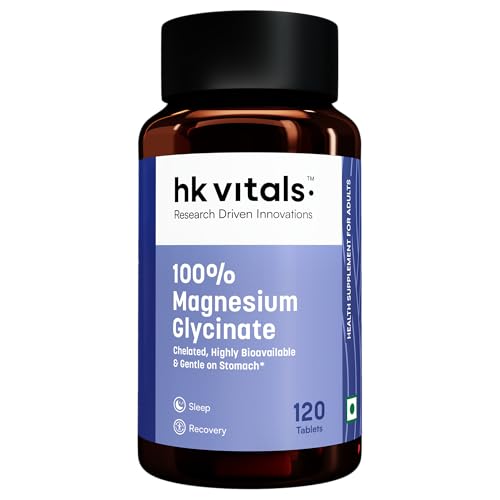
- 100% unbuffered magnesium glycinate – no magnesium oxide: hk vitals 100% Magnesium Glycinate tablets provide 1880mg pure…
- High absorption chelated magnesium (90–95% bioavailability): This chelated magnesium glycinate form is known for superio…
- Magnesium for sleep & relaxation support: Magnesium plays a key role in calming the nervous system. These magnesium glyc…
Affiliate Disclosure
Affiliate Disclosure: Some links on WellnessAfter30.com are affiliate links. If you purchase through these links, we may earn a small commission at no additional cost to you. This helps us continue publishing evidence-based health content. Thank you for your support.
Medical Disclaimer
The information provided in this article is for educational and informational purposes only and should not be considered medical advice. It is not intended to diagnose, treat, cure, or prevent any disease. Always consult a qualified healthcare professional before starting any supplement, especially if you are pregnant, breastfeeding, taking medications, or have an existing medical condition. Individual results may vary.
External References
- NIH Office of Dietary Supplements — Magnesium Fact Sheet for Health Professionals: https://ods.od.nih.gov/factsheets/Magnesium-HealthProfessional/

[…] ashwagandha, probiotics aren’t tied to a specific deficiency the way vitamin D or magnesium are. They’re more commonly considered in response to specific digestive patterns or triggering […]