
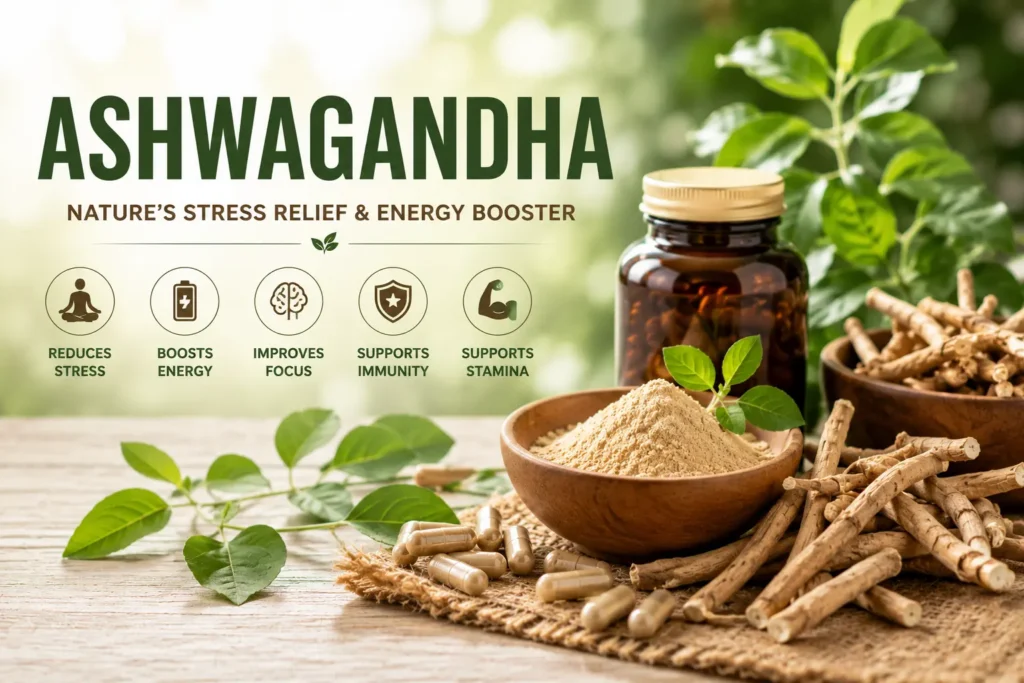
Ashwagandha Benefits After 30: Separating the Hype From the Research

- 100% Natural & Clinically Proven Ashwagandha Capsules: Rasayanam Ashwagandha KSM-66 is a full-spectrum ashwagandha root …
Introduction
A cousin of mine, 33 and juggling a startup with a toddler at home, started taking ashwagandha last year after her sister-in-law swore it had “changed her life.” Within a week, she was messaging the family group chat about how much calmer she felt. Within a month, she’d recommended it to three coworkers. By the time she mentioned it to me, she was talking about it the way people talk about a life philosophy, not a supplement.
I get the appeal. Ashwagandha has genuinely become one of the most talked-about herbal supplements in India and abroad over the past several years, showing up in everything from capsules to gummies to lattes marketed as “moon milk.” And unlike a lot of wellness trends, this one isn’t coming out of nowhere — Ashwagandha (Withania somnifera) has been used in Ayurvedic medicine for centuries, and modern research has actually taken a genuine interest in it, with a meaningful number of human clinical trials now available.
But here’s the thing worth sitting with before you add it to your routine: popularity and proven benefit aren’t the same thing, and ashwagandha’s reputation has run a little ahead of what the evidence conclusively shows in some areas — while being solidly backed in others. If you’re over 30 and considering it for stress, sleep, energy, or hormonal support, this article walks through what’s actually been studied, what’s still uncertain, and — importantly — who should be cautious with it.
Quick Summary
What it is: Ashwagandha is an adaptogenic herb used in Ayurvedic medicine, most commonly taken as a standardized root extract, believed to help the body manage stress and support overall balance.
Who it’s for: Adults over 30 dealing with chronic stress, sleep difficulty, or general fatigue, who don’t have thyroid, liver, or pregnancy-related contraindications.
Main benefits: Reasonably well-supported for reducing perceived stress and cortisol levels, with emerging support for sleep quality and exercise recovery. Evidence for hormonal and cognitive effects exists but is more limited.
Safety: Generally well-tolerated in clinical trials at standard doses, but not risk-free — rare cases of liver injury have been reported, it affects thyroid hormone levels, and it isn’t recommended during pregnancy.
Overall verdict: A genuinely interesting, moderately well-researched adaptogen for stress-related concerns, worth considering for the right person under the right circumstances — but not a supplement to take casually without understanding who should avoid it.
Table of Contents
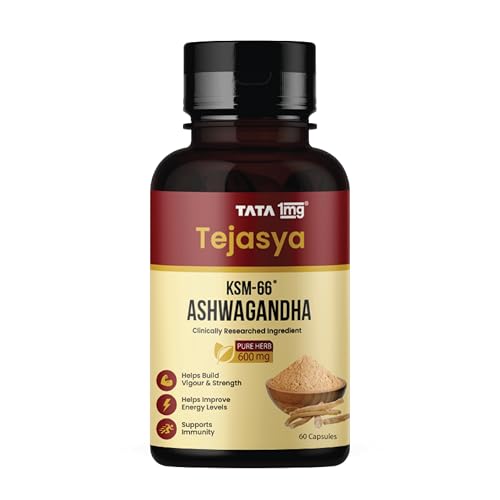
- KSM-66 Ashwagandha is a highly effective ingredient renowned for its health benefits.
- Each capsule contains 600 mg of pure Ashwagandha root extract, ensuring maximum efficacy.
- Helps promote Muscle Strength
What Is Ashwagandha?
Ashwagandha, botanically known as Withania somnifera, is a small shrub whose root and, less commonly, leaves have been used in traditional Ayurvedic medicine for a very long time, often described there as a “rasayana,” or rejuvenating herb. In Sanskrit, “ashwagandha” roughly translates to “smell of horse,” a reference either to the root’s distinct smell or, according to some traditional interpretations, to the strength it was believed to confer.
In modern research, ashwagandha is classified as an adaptogen — a category of plant-based substances believed to help the body adapt to physical or psychological stress and maintain balance. The idea behind adaptogens isn’t unique to Ashwagandha; other examples include Rhodiola and Panax ginseng. What sets ashwagandha apart somewhat is that it now has a genuinely substantial body of human clinical research behind it, more than many other traditional herbs, which is part of why it’s crossed over from purely traditional use into mainstream supplement shelves.
The active compounds most researchers point to are called withanolides, a group of naturally occurring steroidal compounds found in the plant. Different ashwagandha extracts are standardized to contain a certain percentage of withanolides, and this standardization is actually one of the more important, and most overlooked, details when choosing a product — more on that in the ingredient breakdown section.
Why Ashwagandha Gets Attention After 30
Ashwagandha isn’t specifically an “after 30” supplement in the way calcium or vitamin D might be tied to bone aging. But several patterns in adult life after 30 explain why interest in it tends to pick up around this stage.
Chronic stress becomes a more constant presence. Careers demand more, financial responsibilities grow, and for many people, this is the decade of managing both aging parents and young children simultaneously. Ashwagandha’s most consistently researched use — supporting the body’s stress response — lines up directly with this life stage.
Sleep quality often starts slipping. Between work stress, screen time, and simply having more on one’s mind at night, disrupted sleep becomes a more common complaint after 30 than it was in one’s twenties. Ashwagandha has some research behind it here, discussed in more detail below.
Energy and recovery become more noticeable concerns. Whether it’s recovering from a workout or just getting through a demanding week, people in their thirties and forties often report that recovery doesn’t feel as effortless as it once did, which drives interest in supplements marketed around energy and resilience.
Hormonal shifts become relevant for both men and women. Testosterone naturally begins a gradual decline in men starting around their thirties, and women approaching perimenopause face their own set of hormonal changes. Ashwagandha has been studied in relation to both, with more consistent findings for certain male hormonal markers than for women’s hormonal health specifically, which is an area still being researched.
It’s worth being honest that some of ashwagandha’s after-30 popularity is also simply cultural momentum — it’s had a genuine moment in wellness media, and that visibility naturally draws in people at exactly the stage of life where stress and sleep complaints are common anyway.
Signs You Might Consider It
Ashwagandha isn’t something you take because of a deficiency, the way you might with vitamin D or magnesium. It’s more commonly considered based on specific concerns or goals. People typically look into it when they’re dealing with:
Persistent, elevated stress that feels harder to manage than it used to, particularly the kind that shows up physically — tension, a racing mind at bedtime, or feeling “wired but tired.”
Sleep that’s technically happening but doesn’t feel restful, especially when stress or a busy mind seems to be the underlying driver rather than a specific sleep disorder.
A general sense of low resilience or burnout, where everyday demands feel disproportionately draining compared to how they used to.
Interest in exercise recovery and strength support, particularly among people who’ve started resistance training and are curious whether ashwagandha’s studied effects on muscle strength and recovery apply to them.
Concerns about age-related hormonal shifts, particularly men noticing changes in energy, mood, or physical performance that they suspect might be hormone-related.
It’s worth being clear that none of these are “deficiency” signs in the way symptoms point to low vitamin D or magnesium. They’re simply common reasons people explore ashwagandha, and whether it’s the right fit really depends on the individual situation — which is exactly why a conversation with a doctor, particularly if you have any of the risk factors covered later in this article, is worth having first.
Ingredient Breakdown
Ashwagandha supplements vary quite a bit depending on the type of extract, the standardization method, and which part of the plant is used — and these differences genuinely matter for both effectiveness and safety.
Root Extract vs. Root-and-Leaf Extract
Traditional Ayurvedic use, and most of the clinical research with strong safety data, is based on root extracts. Some newer products use a combination of root and leaf, or leaf alone, often because it’s cheaper to produce. There’s emerging concern in some recent safety reviews that products combining leaf and root may carry a different, less well-characterized safety profile, particularly regarding the rare liver injury cases that have been reported. If you’re choosing a product, root-only extract is generally the better-studied and more traditional choice.
Withanolide Standardization
Look for the percentage of withanolides listed on the label — this is the standardized marker compound used to indicate potency and consistency. Most well-studied clinical trial extracts use standardization somewhere in the range of 1.5% to 5% withanolides, depending on the specific proprietary extract. A product with no standardization listed at all makes it harder to know what dose of active compounds you’re actually getting.
KSM-66
One of the most widely studied proprietary ashwagandha extracts, KSM-66 is a full-spectrum root-only extract that has been used in a number of the human clinical trials examining stress, sleep, and hormonal outcomes. Its relatively large research base is part of why it’s become a common ingredient choice in reputable supplement brands.
Sensoril
Another well-known proprietary extract, made from a combination of root and leaf, standardized differently than KSM-66 and used in its own set of clinical trials, particularly around stress and anxiety-related outcomes. It’s worth knowing this is a root-and-leaf extract given the standardization note above.
Withaferin A
One specific withanolide compound that’s drawn separate research interest, including in early-stage studies related to inflammation and cell biology. It’s present in ashwagandha extracts, though its individual contribution versus the whole-extract effect isn’t something consumer supplements are typically formulated to isolate.
Benefits
Stress and Cortisol Reduction
This is the area with the most consistent research support. Multiple randomized controlled trials, several using standardized extracts like KSM-66, have found that ashwagandha supplementation is associated with reductions in self-reported stress and anxiety scores, along with reductions in cortisol, the body’s primary stress hormone, measured through blood or saliva samples. This is genuinely one of the better-researched adaptogen use cases available, though study sizes are still relatively modest by pharmaceutical research standards, and more large-scale, long-term studies would strengthen the evidence further.
Sleep Quality
Several trials, particularly in people with self-reported stress or anxiety, have found modest improvements in sleep quality and time to fall asleep with ashwagandha supplementation. The name “somnifera” itself references sleep in Latin. That said, most of the improvement seen in these studies is modest rather than dramatic, and it appears most relevant for people whose sleep issues are stress-related rather than a broader sleep aid for all types of insomnia.
Exercise Performance and Recovery
A number of studies, particularly in resistance-trained men, have found associations between ashwagandha supplementation and improvements in muscle strength, muscle recovery, and measures like VO2 max in some studies. This is a reasonably active area of sports nutrition research, and the results so far are promising, though sample sizes remain relatively small and more research, especially in women and older adults, would help confirm how broadly these findings apply.
Testosterone and Male Reproductive Health
This is one of the more specific, actively studied areas. Several trials in men, including some looking at fertility markers, have found associations between ashwagandha supplementation and modest increases in testosterone levels, along with improvements in certain sperm parameters in men with fertility concerns. It’s important to be precise here: these are modest effects seen in specific study populations, not evidence that ashwagandha functions as a general testosterone-boosting supplement for all men, and results have been more consistent in men with lower baseline levels or existing fertility concerns than in men with normal hormone levels.
Cognitive Function and Memory
A smaller number of studies have looked at ashwagandha’s effects on memory and cognitive performance, with some promising early results, particularly in the context of stress-related cognitive impairment. This remains one of the less-established benefit areas, with fewer large trials compared to the stress and cortisol research, and it’s fair to say more research is needed before strong claims can be made here.
Thyroid Function (Subclinical Hypothyroidism)
Some research has found that ashwagandha can help normalize thyroid hormone levels in people with subclinical hypothyroidism, a mild, often asymptomatic form of underactive thyroid. This is a genuinely interesting, specific finding — but it comes with an important flip side covered in detail in the safety section: the same thyroid-stimulating effect that may help people with underactive thyroid can be a real problem for people with an overactive thyroid.
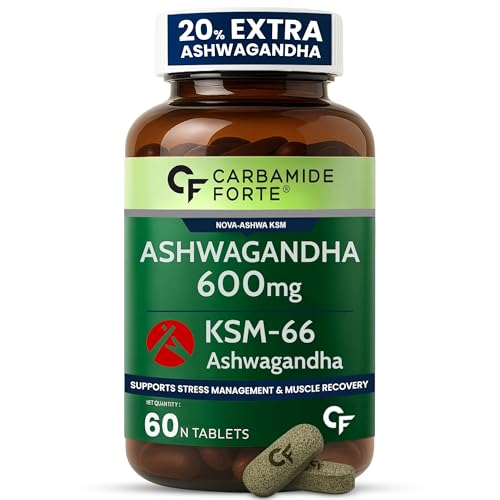
- ✅𝐀𝐒𝐇𝐖𝐀𝐆𝐀𝐍𝐃𝐇𝐀 𝐊𝐒𝐌 𝟔𝟔 𝐓𝐀𝐁𝐋𝐄𝐓𝐒: Unlike other Ashwagandha Supplements, our Ashwagandha supplement uses KSM-66, the world’s m…
- ✅𝟐𝟎𝐗 𝐌𝐎𝐑𝐄 𝐏𝐎𝐓𝐄𝐍𝐓 𝐓𝐇𝐀𝐍 𝐑𝐄𝐆𝐔𝐋𝐀𝐑 𝐀𝐒𝐇𝐖𝐀𝐆𝐀𝐍𝐃𝐇𝐀 𝐂𝐀𝐏𝐒𝐔𝐋𝐄S FOR MEN & WOMEN, 𝐏𝐎𝐖𝐃𝐄𝐑𝐒 𝐎𝐑 𝐆𝐔𝐌𝐌𝐈𝐄𝐒: While ordinary ashwagandha powde…
- ✅ 𝐀𝐒𝐇𝐖𝐀𝐆𝐀𝐍𝐃𝐇𝐀 𝐄𝐗𝐓𝐑𝐀𝐂𝐓 𝐅𝐎𝐑 𝐒𝐔𝐏𝐄𝐑𝐈𝐎𝐑 𝐏𝐎𝐓𝐄𝐍𝐂𝐘 & 𝐍𝐔𝐓𝐑𝐈𝐄𝐍𝐓 𝐃𝐄𝐍𝐒𝐈𝐓𝐘: Unlike many ashwagandha tablets for women & men or ashwag…
Scientific Evidence
Ashwagandha has a comparatively strong research base for an herbal supplement, but it’s still important to look at where that evidence is more versus less robust.
Reasonably strong evidence exists for ashwagandha’s effect on perceived stress and cortisol reduction. Multiple randomized, placebo-controlled trials, several using standardized extracts, have shown fairly consistent results in this specific area, which is why it’s often considered one of the better-evidenced adaptogens currently available.
Moderate evidence supports its role in sleep quality improvement (particularly stress-related sleep issues), exercise performance and strength gains in resistance-trained individuals, and modest testosterone increases in specific male populations. These findings come from a reasonable number of human trials, though sample sizes are often in the range of dozens to a couple hundred participants rather than the thousands seen in larger pharmaceutical trials, so some caution in interpreting effect sizes is warranted.
Emerging, less conclusive evidence exists for cognitive benefits, women’s hormonal health specifically, and broader immune-related claims sometimes seen in marketing. These areas have fewer, smaller studies, and more research is genuinely needed before firm conclusions can be drawn.
Safety research has evolved meaningfully in the past couple of years. While the majority of clinical trials using standard doses (roughly 300–600 mg of standardized extract daily) have not found significant liver enzyme abnormalities, a number of individual case reports — published in journals from several different countries — have documented instances of liver injury, generally described as rare and idiosyncratic (meaning unpredictable, not clearly dose-dependent) reactions rather than a common, expected side effect. Regulatory bodies in some countries have specifically reviewed ashwagandha safety in recent years partly in response to these case reports, and reputable recent scientific reviews continue to describe ashwagandha as generally safe for most people at standard doses, while also acknowledging these rare but real risks exist and that further research is needed to identify exactly who might be more vulnerable to them.
The fair summary: ashwagandha’s stress and cortisol benefits are its best-supported use case. Other benefits are plausible and reasonably studied but shouldn’t be oversold, and the safety conversation deserves more attention than typical marketing gives it.
Who Should Consider This Supplement?
- Adults dealing with ongoing, significant stress who don’t have thyroid, liver, or pregnancy-related contraindications
- People experiencing stress-related sleep difficulty, after ruling out other underlying sleep disorders
- Resistance-trained individuals interested in the studied effects on strength and recovery
- Men with fertility concerns or lower testosterone, ideally after discussing this specifically with a doctor, since ashwagandha isn’t a substitute for proper hormonal evaluation and treatment
- People without pre-existing liver conditions who want to try a well-researched adaptogen as part of a broader stress-management approach
Who Should Avoid It?
- Pregnant women, due to traditional and some preclinical concerns about uterine-stimulating properties; current safety data is not sufficient to consider it safe in pregnancy
- Breastfeeding women, due to insufficient safety data in this specific population
- People with hyperthyroidism, Graves’ disease, or any condition involving an overactive thyroid, given ashwagandha’s documented thyroid-stimulating effects
- Anyone with pre-existing liver disease, or currently taking medications known to affect the liver, given the rare but documented case reports of liver injury
- People with autoimmune conditions, since ashwagandha’s effects on immune activity are not fully understood in this context, and caution is generally advised
- Anyone scheduled for surgery in the near future, since it may affect blood sugar and blood pressure, similar to caution advised with other herbal supplements before procedures
- People taking sedative medications, immunosuppressants, or thyroid medications without first discussing potential interactions with a doctor
Possible Side Effects
At standard doses used in most clinical trials, ashwagandha is generally well-tolerated, but it isn’t free of possible side effects, and being aware of these matters.
Digestive upset, including mild stomach discomfort, nausea, or diarrhea, is among the more commonly reported side effects, particularly when starting at a higher dose.
Drowsiness, which makes sense given its traditional association with sleep support, but can be a downside if taken during the day for some individuals.
Thyroid hormone changes are a genuine, documented effect — research shows ashwagandha can raise T3 and T4 levels while lowering TSH. This can be a meaningful benefit for people with mild, subclinical hypothyroidism, but it’s a real risk for anyone with hyperthyroidism or an already overactive thyroid, and it’s a good reason for anyone with any thyroid condition to loop in their doctor before starting.
Rare cases of liver injury have been documented in published case reports from multiple countries, generally described as idiosyncratic reactions — meaning they don’t appear to be predictable simply based on dose, and the exact mechanism and risk factors are still being studied. These cases remain uncommon relative to how widely ashwagandha is used, but they’re real enough that several recent scientific and regulatory reviews have specifically flagged them, and anyone noticing symptoms like unusual fatigue, yellowing skin or eyes, dark urine, or persistent nausea while taking ashwagandha should stop and seek medical attention.
Blood pressure and blood sugar effects have been noted in some research, generally in a mild, lowering direction, which is worth knowing if you’re already on blood pressure or diabetes medication, since combined effects could be additive.
The honest takeaway: most people tolerate ashwagandha well at standard doses, and serious side effects appear to be uncommon. But “uncommon” isn’t the same as “impossible,” and the emergence of liver injury case reports over the past few years is a legitimate reason to take a measured, informed approach rather than treating it as a completely risk-free wellness product.
Dosage
Standard clinical trial doses most commonly range from about 300 mg to 600 mg of standardized root extract per day, often divided into one or two doses, though some studies have used doses up to around 1,000–1,250 mg daily. Effects in most trials showing benefit for stress and cortisol have generally used doses in the 300–600 mg range over periods of 8 to 12 weeks.
Best time to take it: This varies by individual and by why you’re taking it. Some people prefer taking it in the evening given its traditional association with sleep and relaxation, while others split the dose between morning and evening. There isn’t strong evidence pointing to one specific timing being clearly superior for most purposes, so personal tolerance and routine tend to guide this.
With food or without: Taking it with food can help reduce the chance of mild stomach upset, though it’s not a strict requirement the way some fat-soluble supplements are.
Duration: Most clinical trials studying ashwagandha’s benefits have run for 8 to 12 weeks, and this is a reasonable timeframe to evaluate whether it’s making a noticeable difference for you. Long-term use beyond several months hasn’t been as extensively studied, which is worth factoring in, particularly given the safety considerations discussed above — periodic breaks and check-ins with a doctor are a sensible approach for anyone using it beyond a few months.
Pros and Cons
| Pros | Cons |
|---|---|
| One of the better-researched adaptogens for stress and cortisol reduction | Rare but documented cases of liver injury reported in medical literature |
| Reasonably good evidence for sleep quality and exercise recovery | Affects thyroid hormone levels, risky for hyperthyroid conditions |
| Long history of traditional use alongside a growing modern research base | Not recommended during pregnancy or breastfeeding |
| Well-tolerated by most people at standard doses in clinical trials | Long-term use (beyond several months) is less studied |
| Widely available in India, with well-studied standardized extracts like KSM-66 | Quality and standardization vary significantly between brands |
Comparison With Similar Products
Ashwagandha vs. Rhodiola: Both are classified as adaptogens, but they’re often used somewhat differently. Ashwagandha’s research leans more toward calming, stress-reducing, and sleep-supportive effects, while Rhodiola’s research base leans more toward combating fatigue and supporting mental alertness. Some people use them for genuinely different purposes rather than choosing one over the other.
Ashwagandha vs. magnesium (for stress and sleep): These work through different mechanisms and aren’t really competing products — magnesium supports nervous system function at a more foundational, mineral level, while ashwagandha’s studied effects involve cortisol and hormonal pathways. Some people reasonably use both, though it’s worth introducing one at a time to see what’s actually making a difference for you.
KSM-66 vs. Sensoril extracts: Both are well-studied proprietary extracts, but KSM-66 is root-only while Sensoril combines root and leaf. Given some recent safety discussions specifically flagging root-and-leaf combination products in relation to liver injury case reports, root-only extracts like KSM-66 may currently have a slightly more reassuring safety profile, though this is an evolving area of research rather than a settled conclusion.
Ashwagandha vs. prescription anti-anxiety medication: These are not comparable in terms of evidence strength or mechanism, and ashwagandha should never be treated as a substitute for prescribed treatment for a diagnosed anxiety disorder. It may be reasonable as a complementary approach for general stress management, discussed with a doctor, but it isn’t a replacement for appropriate mental health treatment.
Frequently Asked Questions
1. What is ashwagandha actually good for? The strongest evidence supports its role in reducing perceived stress and cortisol levels. There’s also reasonable evidence for sleep quality, exercise recovery, and modest testosterone support in specific male populations, though these areas have somewhat less robust research than the stress-related findings.
2. Is ashwagandha safe to take every day? For most healthy adults without contraindications, standard doses used in clinical trials (roughly 300–600 mg daily) appear generally well-tolerated over 8-to-12-week periods. Long-term daily use beyond that hasn’t been as thoroughly studied, and rare liver injury cases have been reported, so periodic breaks and medical guidance are sensible, especially for extended use.
3. Does ashwagandha really lower cortisol? Multiple clinical trials have found reductions in cortisol levels with ashwagandha supplementation compared to placebo, making this one of its more consistently supported effects.
4. Can ashwagandha help with anxiety? Some studies show reductions in self-reported anxiety and stress scores with ashwagandha supplementation. It shouldn’t be treated as a replacement for professional treatment for a diagnosed anxiety disorder, but it may be a reasonable complementary approach for general stress, ideally discussed with a doctor.
5. Is ashwagandha safe for the liver? Most clinical trials at standard doses haven’t found liver enzyme abnormalities, but rare case reports of liver injury have been published in recent years. These appear to be uncommon, idiosyncratic reactions rather than a predictable, dose-dependent effect, but anyone with existing liver conditions should be cautious and consult a doctor first.
6. Can I take ashwagandha if I have thyroid issues? It depends on the type of thyroid condition. Ashwagandha has been shown to raise thyroid hormone levels, which may be helpful for some people with mild, underactive thyroid function, but potentially risky for people with an overactive thyroid or hyperthyroidism. This is a case where talking to your doctor first genuinely matters.
7. Does ashwagandha increase testosterone? Some studies in men, particularly those with lower baseline testosterone or fertility concerns, have found modest increases with ashwagandha supplementation. It shouldn’t be assumed to work the same way in men with already-normal testosterone levels.
8. Is ashwagandha safe during pregnancy? No, it’s generally not recommended during pregnancy due to traditional and preclinical concerns about uterine-stimulating properties, and current evidence isn’t sufficient to establish it as safe in this context.
9. How long does it take for ashwagandha to work? Most clinical trials showing benefit have used it for 8 to 12 weeks before assessing results, so it’s reasonable to give it a similar timeframe rather than expecting immediate effects.
10. What’s the difference between KSM-66 and regular ashwagandha extract? KSM-66 is a specific, proprietary, root-only standardized extract that’s been used in a number of published clinical trials. “Regular” or generic ashwagandha extract can vary significantly in standardization and quality, which is why checking for a recognized, standardized extract on the label is worthwhile.
11. Can ashwagandha help with weight loss? There isn’t strong direct evidence that ashwagandha causes weight loss. Some studies have observed modest changes in stress-related eating or cortisol, which theoretically could have an indirect connection to weight, but it shouldn’t be taken as a weight-loss supplement.
12. Can I take ashwagandha with other medications? It can potentially interact with thyroid medications, sedatives, immunosuppressants, and possibly blood pressure or blood sugar medications. Anyone on regular medication should check with a doctor or pharmacist before adding ashwagandha.
13. Is it better to take ashwagandha in the morning or at night? There’s no strong evidence favoring one specific time for most people. Many choose evening dosing given its traditional association with relaxation and sleep, but morning or split dosing is also common and reasonable.
14. Does ashwagandha help with muscle gain? Some studies in resistance-trained men have shown modest improvements in muscle strength and recovery with ashwagandha supplementation alongside training, though it works as a potential supportive addition to training and nutrition, not a substitute for either.
15. Who should definitely avoid ashwagandha? Pregnant or breastfeeding women, people with hyperthyroidism or Graves’ disease, anyone with existing liver disease, and people on medications that interact with it should avoid ashwagandha or only use it under direct medical supervision.
Final Verdict
Ashwagandha earns its popularity more than a lot of wellness trends do — the research behind its stress and cortisol-reducing effects is genuinely reasonable for an herbal supplement, and its sleep and exercise-recovery findings are promising, if not yet definitive. That said, the safety conversation around it has evolved meaningfully in recent years, with legitimate, published case reports of rare liver injury and well-documented thyroid effects that make it inappropriate for certain people.
Who should consider it: Adults dealing with ongoing stress or stress-related sleep issues, without thyroid, liver, or pregnancy-related contraindications, who are open to trying a moderately well-researched adaptogen for 8 to 12 weeks and monitoring how they respond.
Who should skip it: Pregnant or breastfeeding women, anyone with hyperthyroidism or existing liver conditions, and people looking for a guaranteed fix for anxiety, testosterone, or sleep issues that would be better addressed through proper medical evaluation.
Conclusion
My cousin, by the way, is still taking her ashwagandha, and she still swears by it. I’m not going to tell her she’s wrong — plenty of people genuinely do feel calmer and sleep better on it, and there’s real research backing that experience for a meaningful share of users. But I did make sure she knew about the thyroid effects and the rare liver case reports, because that’s the part wellness influencers rarely mention, and it’s the part that actually matters for using it responsibly.
If you’re thinking about trying ashwagandha, that’s really the balance worth striking — genuine curiosity paired with genuine caution. It’s not a miracle herb, and it’s not snake oil either. It’s a reasonably well-studied adaptogen that works for a lot of people, comes with real considerations for a smaller group of people, and deserves to be approached with the same care you’d bring to any supplement that actually does something in your body.
Where to Buy
If you decide to try ashwagandha, look for a root-only, standardized extract (such as KSM-66) from a reputable brand that clearly lists the withanolide percentage on the label, and ideally one that’s been third-party tested.
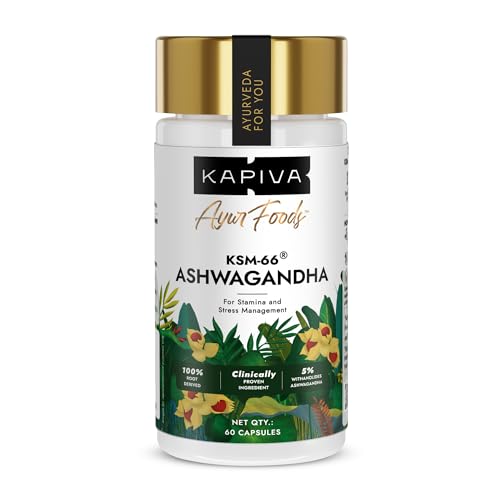
- FEEL CALM, ENERGIZED & WELL-RESTED Daily stress, poor sleep, or low energy slowing you down? Kapiva KSM-66 Ashwagandha i…
- 20X STRONGER, CLINICALLY BACKED Unlike regular ashwagandha, KSM-66 is one of the most researched forms available. Backed…
- ROOT-DERIVED, PURE & SAFE At Kapiva, we use only the nutrient-rich root of the ashwagandha plant — the part known for ma…
Affiliate Disclosure
Affiliate Disclosure: Some links on WellnessAfter30.com are affiliate links. If you purchase through these links, we may earn a small commission at no additional cost to you. This helps us continue publishing evidence-based health content. Thank you for your support.
Medical Disclaimer
The information provided in this article is for educational and informational purposes only and should not be considered medical advice. It is not intended to diagnose, treat, cure, or prevent any disease. Always consult a qualified healthcare professional before starting any supplement, especially if you are pregnant, breastfeeding, taking medications, or have an existing medical condition. Individual results may vary.
External References
- NIH National Center for Complementary and Integrative Health — Ashwagandha information page
- Mayo Clinic — Ashwagandha: Is it safe and does it work?
- Harvard Health Publishing — What is ashwagandha, and is it worth taking?
- NHS (UK) — Herbal medicines safety information
- PubMed — “Ashwagandha-induced acute liver injury: A case report” (Toth et al., 2023)
- PubMed — “Liver Dangers of Herbal Products: A Case Report of Ashwagandha-Induced Liver Injury”
- Phytotherapy Research — “Ashwagandha: Is It Safe? A Preclinical Evidence Review” (Brendler, 2025)
- World Health Organization (WHO) — Traditional and complementary medicine resources

[…] ashwagandha, probiotics aren’t tied to a specific deficiency the way vitamin D or magnesium are. […]
[…] with diabetes-related fatigue or digestive discomfort alongside elevated blood […]