


Probiotics After 30: Do They Actually Help Your Gut, or Is It Marketing?

- Supports healthy digestion and relieves bloating
- Promotes gut microbiome balance with 20 strains
- Enhances nutrient absorption and gut resilience
Introduction
A friend of mine, 36, spent almost a year convinced something was seriously wrong with her. Bloating after nearly every meal. Unpredictable bathroom habits. A general feeling that her stomach just wasn’t behaving the way it used to in her twenties. She’d cut out gluten, then dairy, then started an elimination diet so restrictive her weekends revolved around what she could and couldn’t eat at a family function.
Her gastroenterologist, after ruling out anything more serious, told her something refreshingly simple: her gut bacteria had likely shifted after a rough bout of food poisoning and a long course of antibiotics the year before, and a lot of her symptoms lined up with that kind of disruption. He recommended a specific probiotic strain, not just “any probiotic,” and gave her a realistic timeline of a few weeks to notice a difference.
It worked, gradually. Not overnight, and not as some dramatic gut transformation — but her bloating became less frequent, and her digestion started feeling more predictable again.
Probiotics are one of the most talked-about, and most confusingly marketed, supplement categories out there. Walk into any pharmacy or scroll through any supplement site and you’ll find dozens of options promising everything from better digestion to clearer skin to a stronger immune system. Some of that is genuinely backed by research. A lot of it isn’t, or at least not for the strain sitting in that particular bottle. If you’re over 30 and dealing with digestive changes, or just curious whether a daily probiotic is worth adding to your routine, this article walks through what the evidence actually supports — and where the marketing gets ahead of the science.
Quick Summary
What it is: Probiotics are live microorganisms, most commonly specific strains of bacteria, that when consumed in adequate amounts may provide a health benefit, primarily related to gut and digestive function.
Who it’s for: Adults dealing with digestive discomfort, recent antibiotic use, or specific conditions like IBS, where certain probiotic strains have reasonable clinical support.
Main benefits: Best evidenced for supporting recovery from antibiotic-associated diarrhea and for certain IBS symptoms, with strain-specific evidence rather than blanket benefits across all probiotics.
Safety: Generally very safe for most healthy adults, with digestive side effects being the most common issue. Caution is needed for people who are immunocompromised or critically ill.
Overall verdict: Genuinely useful for specific, well-matched situations, but the effectiveness depends heavily on choosing the right strain for your specific concern — a generic “probiotic” isn’t a one-size-fits-all fix, and that’s the single most important thing to understand before buying one.
Table of Contents
What Are Probiotics?

- ✅ 𝟑𝟎 𝐁𝐈𝐋𝐋𝐈𝐎𝐍 𝐂𝐅𝐔 𝐖𝐈𝐓𝐇 𝟏𝟔 𝐏𝐑𝐎𝐁𝐈𝐎𝐓𝐈𝐂 𝐒𝐓𝐑𝐀𝐈𝐍𝐒: Each serving provides 30 Billion CFU with 16 probiotic strains, including La…
- ✅ 𝐏𝐑𝐄𝐁𝐈𝐎𝐓𝐈𝐂𝐒 & 𝐏𝐑𝐎𝐁𝐈𝐎𝐓𝐈𝐂𝐒 𝐅𝐎𝐑 𝐆𝐔𝐓 𝐇𝐄𝐀𝐋𝐓𝐇 𝐒𝐔𝐏𝐏𝐎𝐑𝐓: Formulated with 100 mg Fructooligosaccharides (FOS), this synbiotic su…
- ✅ 𝐒𝐔𝐏𝐏𝐎𝐑𝐓𝐒 𝐃𝐈𝐆𝐄𝐒𝐓𝐈𝐎𝐍 & 𝐈𝐌𝐌𝐔𝐍𝐈𝐓𝐘: This probiotics and prebiotics supplement is enriched with Vitamin C, Zinc, and Cranber…
Probiotics are live microorganisms — mostly specific strains of bacteria, and occasionally yeast — that, when taken in adequate amounts, are intended to provide a health benefit, most commonly related to your digestive system. They’re not a single thing; they’re a broad category that includes dozens of different genus, species, and strain combinations, each with its own research base, or in many cases, a lack of one.
Your gut is home to trillions of microorganisms collectively known as the gut microbiome, and this community plays a role in digestion, nutrient absorption, and interacts with your immune system in ways researchers are still actively working to understand. The idea behind probiotic supplementation is to introduce beneficial strains that can help support or rebalance this ecosystem, particularly after it’s been disrupted by things like illness, antibiotics, or dietary changes.
Here’s the detail that gets lost in most probiotic marketing: strain specificity matters enormously. A probiotic labeled simply “Lactobacillus” is a bit like a medication labeled just “antibiotic” — the genus tells you the broad family, but the specific strain (usually written with a code or number after the species name, like Lactobacillus rhamnosus GG) is what actually determines whether there’s real clinical evidence behind it for a particular use. Two products can both say “Lactobacillus acidophilus” on the label and have meaningfully different effects, or evidence bases, depending on the exact strain used.
Why Gut Health Becomes a Bigger Deal After 30
Digestive complaints tend to become more noticeable, or at least more frequently discussed, once people move past their twenties. A few genuine reasons explain why.
Gut microbiome diversity naturally shifts with age. Research suggests the composition of the gut microbiome changes gradually over adulthood, influenced by diet, medication use, stress, and lifestyle. This doesn’t mean everyone’s gut health declines dramatically after 30, but the cumulative effect of years of dietary habits, antibiotic courses, and stress starts to show up more.
Antibiotic exposure adds up over a lifetime. By the time someone reaches their thirties or forties, they’ve likely had multiple courses of antibiotics for various infections over the years, each of which can disrupt gut bacteria to some degree, sometimes with effects lasting weeks to months afterward.
Stress becomes a bigger factor in digestion. The gut and the nervous system are closely connected through what’s often called the gut-brain axis, and chronic stress — which tends to accumulate through career and family pressures in one’s thirties — has been associated with changes in gut function and even microbiome composition in some research.
Dietary patterns often shift toward convenience. Busier schedules frequently mean less home-cooked, fiber-rich food and more processed, packaged meals, and since gut bacteria rely heavily on dietary fiber for their own health, this shift can affect the broader gut ecosystem over time.
Hormonal changes, particularly for women approaching perimenopause, can affect gut function. Estrogen has some documented interactions with gut bacteria, and shifting hormone levels during this life stage have been associated with digestive changes in some research, though this remains an evolving area of study.
None of this means everyone needs a probiotic after 30. It just means the factors that can genuinely disrupt gut health — antibiotics, stress, dietary shifts — tend to accumulate more by this stage of life than they did in one’s twenties.
Signs You Might Need It
Like ashwagandha, probiotics aren’t tied to a specific deficiency the way vitamin D or magnesium are. They’re more commonly considered in response to specific digestive patterns or triggering events.
Recent or recurring antibiotic use, particularly if you’ve noticed digestive changes, like diarrhea, during or after a course of antibiotics. This is genuinely one of the better-supported reasons to consider a specific probiotic strain.
Persistent bloating or irregular bowel habits that don’t have an obvious dietary cause, especially if they’ve developed or worsened over recent months.
A diagnosed condition like IBS, where certain probiotic strains have shown reasonable evidence for symptom improvement, though — as covered in the evidence section — which strain matters enormously depending on whether symptoms lean more toward diarrhea or constipation.
Digestive symptoms following a gastrointestinal infection or food poisoning, since these events can disrupt the gut microbiome in ways that sometimes take weeks or longer to fully settle.
Ongoing digestive discomfort that hasn’t been fully explained by other causes, ideally after seeing a doctor to rule out more significant underlying conditions first, since probiotics aren’t meant to be a substitute for proper diagnosis when something more serious might be going on.
As with the other supplements covered on this site, it’s worth being honest that “gut health” has become something of a wellness buzzword, and not every digestive complaint needs a supplement. Diet, hydration, sleep, and stress management often matter just as much, if not more, and are worth addressing alongside, or sometimes before, adding a probiotic.
Ingredient Breakdown
This is where probiotics get genuinely complicated, because the specific strain — not just the general bacterial family — is what determines the evidence behind a product.
Lactobacillus Species
One of the most commonly used genera in probiotic supplements, found naturally in fermented foods like yogurt and some traditional Indian foods like curd. Specific strains within this genus, such as Lactobacillus rhamnosus GG, have a reasonably substantial research base, particularly for antibiotic-associated diarrhea and certain digestive symptoms. Other Lactobacillus strains have far less evidence behind them despite being marketed similarly.
Bifidobacterium Species
Another major probiotic genus, naturally present in the gut, particularly in the large intestine. Certain strains, like Bifidobacterium lactis, have research supporting benefits for stool consistency and frequency, and this genus is often included in multi-strain formulations aimed at general digestive support.
Saccharomyces boulardii
A beneficial yeast, rather than a bacterium, that’s been studied specifically for preventing and managing certain types of diarrhea, including antibiotic-associated diarrhea and some infectious causes. Because it’s a yeast rather than a bacterium, it has a distinct advantage: it isn’t affected by antibiotics the way bacterial probiotics can be, which is part of why it’s sometimes specifically recommended for use during an antibiotic course, rather than only afterward.
Bacillus coagulans
A spore-forming probiotic strain that’s drawn interest partly because its spore form makes it more heat-stable and resistant to stomach acid than many non-spore-forming strains, potentially improving how much of the dose actually survives to reach the intestines. Some specific strains within this species, such as those studied in diarrhea-predominant IBS, have shown promising results in individual clinical trials, though this remains a smaller research base compared to some Lactobacillus and Bifidobacterium strains.
Multi-Strain Formulations
Many commercial products combine multiple strains and genera in a single capsule, often marketed as offering broader benefit. The logic is reasonable — different strains may support different aspects of gut function — but it’s worth knowing that a multi-strain product isn’t automatically superior to a well-matched single-strain product, and in some cases, the specific combination itself hasn’t been directly studied even if individual strains within it have.
CFU Count (Colony Forming Units)
This is the number listed on probiotic labels indicating how many live organisms are in each dose, often in the billions. A higher CFU count isn’t automatically better — what matters more is whether the specific strain has evidence supporting its use at the dose provided, and whether the product’s formulation and packaging can keep those organisms viable until you actually take them.
Benefits

- TRIPLE-ACTION CONSTIPATION SUPPORT : Our Gut Army Probiotics Constipation & IBS formula combines 11-strain probiotics, p…
- HOW & WHY CONSTIPATION HAPPENS : Constipation often starts with slow gut motility, low fiber intake, poor microbiome bal…
- GUT ARMY FOR DIGESTIVE COMFORT : Gut Army supports constipation and IBS-related discomfort through a triple action mecha…
Antibiotic-Associated Diarrhea Prevention and Recovery
This is one of the better-supported uses for probiotics. Several specific strains, including certain Lactobacillus strains and Saccharomyces boulardii, have been studied in randomized controlled trials for preventing or reducing the severity of diarrhea that occurs during or after antibiotic use. The evidence here is reasonably consistent, though it remains strain-specific rather than a blanket effect of “taking a probiotic” generally.
IBS Symptom Management
Research in this area has grown substantially, and a recent, fairly comprehensive systematic review and meta-analysis found that certain probiotic strains meaningfully reduced intestinal discomfort in IBS patients, though the review specifically emphasized that effectiveness varies by strain and by IBS subtype — meaning a strain that helps IBS with diarrhea (IBS-D) isn’t necessarily the same strain that helps IBS with constipation (IBS-C). This strain-and-subtype specificity is honestly one of the most important, and most commonly ignored, details in probiotic marketing for digestive issues.
General Digestive Comfort and Bloating
Some people report improvement in bloating and general digestive comfort with certain probiotic strains, and there’s a reasonable body of smaller studies supporting this for specific formulations. That said, this is an area where individual response varies quite a bit, and what works well for one person’s gut may not replicate for another, given how individualized the gut microbiome actually is.
Immune System Interaction
Since a significant portion of the immune system is located in and around the gut, there’s genuine scientific interest in how gut bacteria and probiotics interact with immune function. Some studies have found associations between certain probiotic strains and modest reductions in the frequency or duration of common respiratory infections, though this remains an area where more robust, larger studies are still needed before strong claims can be made.
Recovery After Gastrointestinal Illness
Following a stomach infection or food poisoning, gut bacteria can take time to return to their prior balance. Some evidence supports using specific probiotic strains during this recovery window to help ease associated digestive symptoms, though it’s worth noting that most gastrointestinal infections resolve on their own with basic supportive care regardless.
Scientific Evidence
Probiotic research is one of the more nuanced areas in the supplement world, largely because the field itself resists broad generalizations. What’s true for one strain often isn’t true for another, even within the same species.
Reasonably strong, strain-specific evidence exists for probiotics in preventing or reducing antibiotic-associated diarrhea, with several specific strains studied across multiple randomized controlled trials. This remains one of the more consistently supported uses in the probiotic research world.
Growing, increasingly strain-specific evidence supports certain probiotics for IBS symptom management. A comprehensive 2025-2026 systematic review and meta-analysis examining multiple randomized, placebo-controlled trials across over a dozen studies and thousands of IBS patients found that probiotics, evaluated by specific strain, meaningfully reduced intestinal discomfort overall — but the review was explicit that different strains work differently depending on whether someone has diarrhea-predominant or constipation-predominant IBS, reinforcing that “probiotics help IBS” is an oversimplification of what the actual data shows.
Mixed or still-developing evidence exists for general digestive comfort in people without a specific diagnosed condition, immune-related benefits, and broader claims sometimes made around mood, skin, or weight management. These areas often have smaller studies, inconsistent results between trials, or effects that haven’t been clearly separated from placebo in larger, well-designed research. This is exactly the territory where probiotic marketing frequently overstates what the science currently supports.
An important caveat that applies across the entire probiotic category: results from one specific strain, at a specific dose, in a specific population (say, adults with diarrhea-predominant IBS) genuinely cannot be assumed to apply to a different strain, a different dose, or a different digestive concern. This is different from most other supplement categories, where a nutrient like vitamin D behaves fairly similarly regardless of the specific brand, provided the form and dose are comparable. Probiotics don’t work that way, which is exactly why checking for the specific strain and matching it to your actual concern matters more than looking at the CFU count or the price on the label.
Who Should Consider This Supplement?
- Adults currently taking, or who have recently completed, a course of antibiotics, particularly if experiencing digestive upset
- People with a diagnosed IBS subtype, in consultation with a doctor about which specific strain has evidence for their particular symptom pattern
- Anyone recovering from a gastrointestinal infection or food poisoning who wants additional digestive support alongside standard care
- People with persistent, mild digestive discomfort who’ve already addressed diet, hydration, and stress without full improvement
- Adults interested in supporting general gut health as part of a broader healthy lifestyle, with realistic expectations about the modest, gradual nature of any benefit
Who Should Avoid It?
- People who are immunocompromised, critically ill, or hospitalized should only use probiotics under direct medical supervision, since there have been rare but documented cases of infection from probiotic organisms in severely vulnerable patients
- Anyone with a central venous catheter or recent major gastrointestinal surgery should discuss probiotic use with their doctor first, given specific rare infection risks reported in these situations
- People with a compromised gut barrier from severe inflammatory bowel disease flares should consult their gastroenterologist before adding a probiotic, since individual response can vary significantly during active disease
- Anyone with a known allergy to specific components in a probiotic formulation, including some that are dairy-based, should check labels carefully
Possible Side Effects
Probiotics are generally very well-tolerated by healthy adults, and serious side effects are uncommon, but a few things are worth knowing.
Mild digestive symptoms when starting out, including temporary gas, bloating, or changes in bowel habits, are commonly reported in the first several days as your gut adjusts. This usually settles within a week or two and isn’t typically a sign that something is wrong.
Rare infections in vulnerable populations have been documented, almost exclusively in severely immunocompromised or critically ill patients, where the probiotic organisms themselves caused an infection. This is uncommon and specific to high-risk medical situations, not something the average healthy adult needs to worry about, but it’s exactly why probiotics aren’t automatically “harmless” for everyone.
Histamine-related symptoms have been reported anecdotally in some people, particularly with certain fermented or histamine-producing strains, though this is an area where more research would help clarify who’s actually affected and why.
Product quality concerns are a genuine, practical issue in this category — since probiotics are living organisms, poor manufacturing, storage, or expired products can mean you’re getting far fewer live organisms than the label states, which isn’t a safety issue exactly, but does mean you may not get the benefit you’re expecting.
The general pattern here: probiotics are among the gentler supplement categories for most healthy people, with the main practical concerns being mild, temporary digestive adjustment and the importance of choosing a well-manufactured, appropriately stored product.
Dosage
CFU range: Most studied probiotic doses range from around 1 billion to 10 billion CFU per day for general use, though some specific clinical trials, particularly for antibiotic-associated diarrhea or IBS, have used higher doses, sometimes in the tens of billions, depending on the strain and condition being studied. There isn’t a single universal “correct” dose across all probiotics — it depends heavily on which strain you’re taking and what it’s been studied for.
Best time to take it: This varies by strain and product, and manufacturers often provide specific guidance based on how their particular formulation is designed to survive stomach acid. Some are designed to be taken on an empty stomach, while others are formulated for better survival when taken with food. Following the specific product’s instructions matters more here than with many other supplements.
Timing around antibiotics: If you’re taking a probiotic specifically to offset antibiotic-related digestive effects, it’s generally recommended to space the probiotic dose a couple of hours apart from the antibiotic dose, since antibiotics can directly kill the probiotic bacteria if taken at the same time. This doesn’t apply to Saccharomyces boulardii, since it’s a yeast and isn’t affected by antibiotics the same way.
Duration: For antibiotic-associated diarrhea prevention, probiotics are typically taken through the course of antibiotics and sometimes for a period afterward. For IBS or general digestive support, most clinical trials showing benefit have used the probiotic consistently for at least 4 to 8 weeks before assessing results, so it’s worth giving a chosen strain a reasonable trial period rather than switching products every few days.
Pros and Cons
| Pros | Cons |
|---|---|
| Well-supported for specific uses like antibiotic-associated diarrhea | Strain-specific evidence means many products lack real research support |
| Generally very safe and well-tolerated for healthy adults | Effects vary significantly between individuals |
| Wide variety of strains available to match specific digestive concerns | Product quality and viable organism counts vary between brands |
| Naturally available through fermented foods as well as supplements | Not appropriate for immunocompromised or critically ill individuals without medical guidance |
| Growing, increasingly rigorous research base, especially for IBS | Marketing often overstates benefits beyond what evidence actually supports |
Comparison With Similar Products
Probiotic supplements vs. fermented foods: Foods like curd, yogurt, kanji, and other traditional fermented preparations naturally contain beneficial bacteria, and for many people, incorporating these regularly is a reasonable, food-based way to support gut health. Supplements offer more precise strain selection and dosing, particularly useful for targeting a specific concern like antibiotic recovery or IBS, where matching the right strain matters. Neither is strictly “better” — they can complement each other depending on your goals.
Single-strain vs. multi-strain probiotics: Single-strain products are easier to match directly to specific research, since you know exactly what’s been studied and at what dose. Multi-strain products may offer broader theoretical coverage, but the specific combination often hasn’t been studied as a whole, even if individual strains within it have research behind them individually.
Probiotics vs. prebiotics: These are related but different — probiotics are the live organisms themselves, while prebiotics are types of fiber that feed the beneficial bacteria already in your gut. Some products combine both (often called synbiotics), based on the idea that feeding existing good bacteria alongside introducing new organisms may work better together, though this combined approach is still an evolving area of research rather than a settled conclusion.
Refrigerated vs. shelf-stable probiotics: Some probiotic strains require refrigeration to remain viable, while others, particularly spore-forming strains like certain Bacillus species, are naturally more heat-stable and shelf-stable. Neither is inherently superior — it depends on the specific strain’s natural characteristics — but shelf-stable options can be more practical for travel or inconsistent refrigeration access.
Frequently Asked Questions
1. Do probiotics actually work? It depends heavily on the specific strain and what you’re using it for. There’s reasonably solid evidence for certain strains helping with antibiotic-associated diarrhea and specific IBS symptoms, but broader claims about general gut health or immunity are less consistently supported and vary by product.
2. What’s the difference between probiotics and prebiotics? Probiotics are live beneficial microorganisms you consume, while prebiotics are types of dietary fiber that feed and support the beneficial bacteria already living in your gut. They work together but aren’t the same thing.
3. Can I get enough probiotics from food instead of supplements? For general gut health, yes, fermented foods like curd and yogurt can be a reasonable source of beneficial bacteria. For a specific concern where a particular studied strain and dose matters, like antibiotic-associated diarrhea, a targeted supplement may be more appropriate than relying on food alone.
4. Should I take probiotics while on antibiotics? Many doctors recommend it, particularly to reduce the risk of antibiotic-associated diarrhea, but the probiotic dose is generally spaced a couple of hours apart from the antibiotic dose so the antibiotic doesn’t directly kill the probiotic bacteria.
5. How long does it take for probiotics to work? This varies by what you’re using them for. For antibiotic-associated diarrhea, benefits may be seen within days to a couple of weeks. For IBS or general digestive support, most clinical trials use at least 4 to 8 weeks before assessing meaningful results.
6. Are probiotics safe to take every day long-term? For most healthy adults, yes, probiotics are generally considered safe for regular use. People who are immunocompromised or critically ill should only use them under medical supervision, given rare but documented infection risks in these specific populations.
7. Can probiotics help with bloating? Some strains have shown benefit for bloating and general digestive comfort in certain studies, though individual response varies quite a bit, and it’s worth being cautious of products making sweeping bloating-relief claims without strain-specific evidence.
8. Do all probiotics need to be refrigerated? No. Some strains, particularly spore-forming ones like certain Bacillus species, are naturally shelf-stable, while others require refrigeration to remain viable. Always check the specific product’s storage instructions.
9. What does CFU mean on a probiotic label? CFU stands for colony forming units, representing the number of live, viable microorganisms in each dose. A higher CFU count isn’t automatically better — what matters more is whether the specific strain has evidence supporting its use at that dose for your particular concern.
10. Can probiotics help with IBS? Certain strains have reasonable evidence for reducing IBS symptoms, but effectiveness depends significantly on your IBS subtype (diarrhea-predominant versus constipation-predominant) and the specific strain used. A generic probiotic isn’t guaranteed to help just because it’s labeled for “digestive health.”
11. Are probiotics safe during pregnancy? Many probiotic strains are generally considered safe during pregnancy based on available research, but it’s still worth discussing specific strains and products with your doctor before starting, particularly given how strain-specific the safety and evidence picture can be.
12. Can probiotics cause side effects? Mild, temporary digestive symptoms like gas or bloating are common when starting, especially in the first week or two. Serious side effects are rare and mostly limited to people who are immunocompromised or critically ill.
13. Do probiotics help with weight management? Evidence in this area is limited and inconsistent. While there’s ongoing research interest in how gut bacteria relate to weight and metabolism, probiotics shouldn’t be relied on as a weight-management strategy based on current evidence.
14. How do I choose the right probiotic strain for my needs? Start by identifying your specific concern (antibiotic recovery, a diagnosed IBS subtype, general digestive support), then look for a product listing the specific strain, ideally one with published research for that particular use, rather than choosing based on CFU count or brand marketing alone. A conversation with your doctor or a gastroenterologist can help narrow this down further.
15. Can children take probiotics? Certain probiotic strains have been studied in children for specific uses, but dosing and strain selection should be guided by a pediatrician rather than adult product labeling.
Final Verdict
Probiotics occupy a strange place in the supplement world — genuinely backed by real, growing clinical research for specific uses, yet widely oversold as a blanket “gut health” fix that any product on the shelf can deliver. The truth sits in between. If you’re dealing with antibiotic-associated digestive upset or a diagnosed IBS subtype, there’s real, strain-specific evidence worth exploring, ideally with guidance on which exact strain fits your situation. If you’re generally healthy and just curious about “supporting your gut,” fermented foods, adequate fiber, and basic lifestyle habits often matter just as much, if not more, than a supplement.
Who should consider it: Adults recovering from antibiotic use, people with a diagnosed IBS subtype, and anyone recovering from a gastrointestinal illness looking for evidence-based digestive support.
Who might skip it: People without a specific digestive concern who are mainly drawn in by general “gut health” marketing — for this group, dietary fiber, fermented foods, and consistent healthy habits are likely to matter more than which probiotic bottle they choose.
Conclusion
My friend’s story worked out well largely because her doctor treated her gut issues the way you’d want any health concern treated — by identifying what was actually going on and matching a specific, evidence-based solution to it, rather than reaching for a generic fix. That’s really the model worth following with probiotics generally. They’re not a wellness trend to dismiss, and they’re not a cure-all either. They’re a genuinely interesting, increasingly well-researched category of supplement that works best when you match the right strain to the right problem.
If your gut has been off lately, it’s worth digging a little deeper than just grabbing whatever probiotic has the highest CFU count on the shelf. Think about what’s actually going on — recent antibiotics, a diagnosed condition, ongoing stress — and let that guide what you choose, ideally with input from a doctor who can help you sort through the noise. Your gut, after 30, deserves a bit more thought than a quick impulse buy.
Where to Buy
If you decide to try a probiotic, look for a product that clearly lists the specific strain (not just the genus and species), the CFU count at the time of expiry (not just at manufacturing), and ideally one matched to your specific concern based on available research.
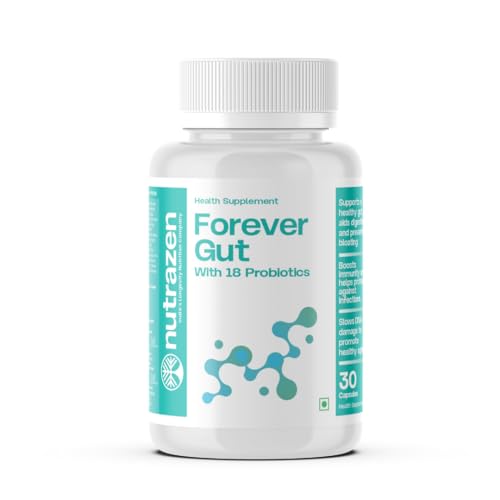
- HIGH POTENCY 45 BILLION+ CFU – Each capsule delivers a powerful dose of 45 Billion+ CFU to help restore and maintain hea…
- 18 MULTI-STRAIN PROBIOTIC BLEND – Contains 18 diverse and scientifically studied probiotic strains that work together to…
- POWER OF L-GLUTAMINE – L-Glutamine helps support the intestinal lining, improves gut barrier function, and promotes bett…
Affiliate Disclosure
Affiliate Disclosure: Some links on WellnessAfter30.com are affiliate links. If you purchase through these links, we may earn a small commission at no additional cost to you. This helps us continue publishing evidence-based health content. Thank you for your support.
Medical Disclaimer
The information provided in this article is for educational and informational purposes only and should not be considered medical advice. It is not intended to diagnose, treat, cure, or prevent any disease. Always consult a qualified healthcare professional before starting any supplement, especially if you are pregnant, breastfeeding, taking medications, or have an existing medical condition. Individual results may vary.
External References
- NIH National Center for Complementary and Integrative Health — Probiotics: Usefulness and Safety
- Harvard T.H. Chan School of Public Health — The Nutrition Source: Probiotics and Prebiotics
- Mayo Clinic — Probiotics and prebiotics: What you should know
- NHS (UK) — Probiotics: Overview and safety information
- World Gastroenterology Organisation — Global Guidelines on Probiotics and Prebiotics
- PubMed — “Strain-Specific Systematic Review with Meta-Analysis of Probiotics Efficacy in the Treatment of Irritable Bowel Syndrome” (2026)
