

How to Eat to Preserve Muscle, Strength, and Metabolism as You Age
Introduction
You haven’t changed your workouts much, but somehow you feel a little softer, a little less strong than you did a few years ago. It’s not just in your head — starting around 30, your body begins losing muscle mass at a steady, quiet pace, whether or not you notice it day to day.
This process, known as sarcopenia when it becomes significant, isn’t inevitable at the rate most people experience it. One of the simplest, most effective countermeasures is also one of the most overlooked: eating enough of the right protein, consistently, to give your body what it needs to maintain the muscle you have.
This guide breaks down exactly how much protein you need after 30, the best sources — animal and plant-based — for preserving muscle, and how to fit them into a realistic daily routine without overhauling your entire diet.
| Key Takeaways |
- Muscle mass naturally declines by roughly 3–8% per decade after 30, making protein intake more important than it was in your 20s.
- Most adults over 30 benefit from 0.7–1 gram of protein per pound of body weight daily, especially if strength training.
- Complete proteins — containing all nine essential amino acids — are especially valuable for muscle preservation.
- Spreading protein intake across 3–4 meals is more effective for muscle maintenance than getting it all in one large meal.
- Both animal and plant sources can support muscle preservation; plant-based eaters just need to combine sources more intentionally.
- Pairing adequate protein with regular strength training produces significantly better results than either strategy alone.
1. Why Protein Needs Change After 30
Starting in your 30s, a natural process called age-related muscle loss begins, even in people who remain active. Several factors drive this shift:
- Declining anabolic sensitivity: Muscle becomes less responsive to the same amount of protein, requiring somewhat more to trigger the same growth or maintenance signal
- Hormonal changes: Gradual shifts in testosterone and growth hormone reduce the body’s natural muscle-building drive
- Reduced activity: Many adults become less physically active in their 30s and 40s compared to earlier years
The practical takeaway: the protein intake that maintained your physique at 22 may not be enough at 35, not because you’re doing something wrong, but because your body’s baseline needs have shifted.
2. How Much Protein Do You Actually Need?
General population guidelines (0.36g per pound of body weight) are considered a bare minimum to prevent deficiency — not an optimal target for muscle preservation.
For adults over 30 focused on maintaining muscle, especially those doing any strength training, research generally supports:
- 0.7–1 gram of protein per pound of body weight daily for active adults preserving or building muscle
- At the higher end of that range if you’re in a calorie deficit, since protein needs rise when losing weight to protect muscle mass
- A 150-pound adult, for example, would target roughly 105–150 grams of protein daily under this guidance
These are general guidelines — individual needs vary based on activity level, age, and health status, so adjusting with a doctor or dietitian is reasonable if you have specific health conditions.
3. Complete vs. Incomplete Proteins, Explained
Complete Proteins
Contain all nine essential amino acids your body can’t produce on its own. Most animal proteins are naturally complete, as are a handful of plant sources like quinoa, soy, and buckwheat.
Incomplete Proteins
Missing one or more essential amino acids. Most plant proteins — beans, lentils, grains — fall into this category individually, but combining different sources across the day easily fills the gap.
This distinction matters less than it’s sometimes made out to be — as long as you’re eating a varied diet across the day, hitting all essential amino acids isn’t difficult, even on a fully plant-based diet.
4. Top Protein Sources, Ranked
Here’s a practical reference for some of the most effective protein sources for muscle preservation, spanning both animal and plant options:
| Food | Serving | Protein | Type |
| Chicken breast | 3.5 oz (100g) | 31g | Animal · Complete |
| Greek yogurt (plain) | 1 cup | 23g | Animal · Complete |
| Salmon | 3.5 oz (100g) | 25g | Animal · Complete |
| Eggs | 2 large | 13g | Animal · Complete |
| Cottage cheese | 1 cup | 28g | Animal · Complete |
| Lentils | 1 cup cooked | 18g | Plant · Incomplete |
| Tofu (firm) | 3.5 oz (100g) | 17g | Plant · Complete |
| Edamame | 1 cup | 17g | Plant · Complete |
| Quinoa | 1 cup cooked | 8g | Plant · Complete |
| Whey protein powder | 1 scoop | 24g | Animal · Complete |
Notice that plant-based options like tofu and edamame are complete proteins too — a useful fact for anyone building a primarily plant-based approach to muscle preservation.
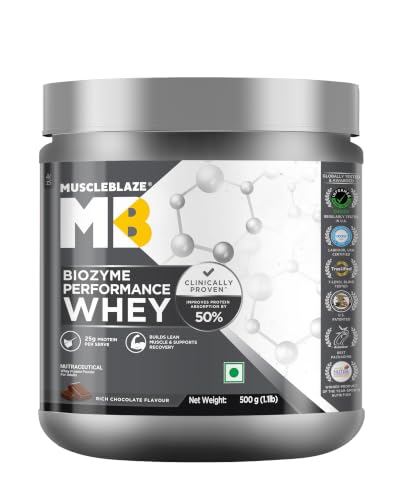
- 100% Clean & Pure Concentrate Whey: Made from premium whey sourced from USA and Europe, free from artificial colors, art…
- World’s Only Protein with U.S. Patented Enzymes: Featuring the innovative Enhanced Absorption Formula (EAF), it delivers…
- Most Tested Whey for Unmatched Trust: 100% blind tested by Labdoor (USA), Informed Choice (UK), and Trustified Gold (Ind…
5. Best Plant-Based Strategies for Muscle Preservation
Plant-based eaters can absolutely preserve muscle effectively after 30, with a bit more intentional planning:
- Combine sources across the day: Rice and beans, or hummus and whole-grain pita, together form a complete amino acid profile
- Prioritize soy-based proteins: Tofu, tempeh, and edamame are naturally complete and among the most protein-dense plant options available
- Consider a plant-based protein powder: Pea or a blended plant protein can help close any gaps, particularly around workouts
- Eat slightly more total protein: Plant proteins are generally somewhat less efficiently used by the body than animal sources, so a modest increase in total intake can help offset this
6. Protein Timing: When You Eat It Matters Too
Research suggests that spreading protein intake across the day — roughly 25–40 grams per meal, 3–4 times daily — supports muscle maintenance more effectively than consuming most of it in a single large meal, even if total daily intake is the same.
This is largely because muscle protein synthesis responds to each adequate protein “dose,” so multiple triggers throughout the day add up to more total benefit than one large spike.
7. Pairing Protein With Strength Training
Protein alone slows muscle loss; protein combined with regular resistance training is what actively preserves and can even build muscle after 30.
- Aim for two to three strength training sessions weekly targeting major muscle groups
- A protein-containing meal or snack within a few hours of training supports recovery, though the exact timing window is more flexible than once believed
- Progressive overload — gradually increasing weight or resistance over time — remains the key driver of muscle maintenance, with protein providing the raw materials to support it
8. Common Mistakes People Make With Protein Intake
- Eating most protein at dinner, missing the benefit of spreading intake across multiple meals throughout the day.
- Underestimating portion sizes, assuming a small serving of chicken or fish provides more protein than it actually does.
- Skipping protein at breakfast, one of the most commonly protein-light meals despite being an easy opportunity to add it.
- Relying only on general population guidelines, which are set as a minimum to prevent deficiency, not optimized for muscle preservation.
- Neglecting strength training, expecting protein alone to preserve muscle without the mechanical stimulus that actually maintains it.
9. Supplements and Tools That Can Help
Whole foods should form the foundation of your protein intake, but a few tools can make hitting your targets more realistic on busy days:
- Whey or plant-based protein powder: A convenient way to close gaps, particularly around workouts or on high-activity days.
- Creatine monohydrate: One of the most researched supplements for supporting strength and muscle maintenance, especially alongside resistance training.
- Collagen peptides: Sometimes used alongside standard protein sources to support connective tissue and joint health as part of an active lifestyle.
- A simple food tracking app: Useful for a week or two to see how your actual protein intake compares to your target, since most people underestimate it until they track.
10. Frequently Asked Questions
| Q: How much protein do I need after 30 to preserve muscle? A: Most active adults over 30 benefit from roughly 0.7–1 gram of protein per pound of body weight daily, higher than the general population minimum, especially if doing regular strength training. |
| Q: Can you build muscle after 30, or only maintain it? A: You can absolutely build muscle after 30 — age slows the process somewhat, but adequate protein combined with progressive strength training continues to produce real muscle gains well into later decades. |
| Q: Is plant-based protein as effective as animal protein for muscle? A: Yes, with some adjustment — plant-based eaters typically need to combine protein sources and may benefit from slightly higher total intake, but muscle preservation is well-documented on plant-based diets. |
| Q: What’s the best time to eat protein for muscle preservation? A: Spreading protein across 3–4 meals throughout the day, roughly 25–40 grams per meal, is more effective for muscle maintenance than consuming most of it in one sitting. |
| Q: Do I need a protein supplement, or can I get enough from food? A: Whole foods can meet protein needs for most people, but a protein powder is a convenient tool for closing gaps on busy days or after workouts, particularly for those with higher targets. |
11. Your Action Plan: Start Today
- Calculate your target protein intake using 0.7–1 gram per pound of body weight as a starting range.
- Track your protein intake for three days to see how close you currently are to that target.
- Add a protein source to breakfast this week if it’s currently light on protein — eggs, Greek yogurt, or a protein smoothie all work well.
- Plan your next two strength training sessions this week, targeting major muscle groups.
- Pick one new protein source from the ranked list to add into your rotation this week.
Conclusion
Muscle loss after 30 isn’t a foregone conclusion — it’s a trend that responds well to two simple, well-supported habits: eating enough of the right protein, and giving your muscles a reason to keep themselves around through regular strength training.
You don’t need to overhaul your entire diet overnight. Start by adding one protein-rich food to a meal that’s currently missing it, and build from there. Your muscles — and your metabolism — will thank you for it in the decades ahead.
| Medical Disclaimer This article is for informational purposes only and is not a substitute for professional medical or nutritional advice, diagnosis, or treatment. Always consult a qualified healthcare provider or registered dietitian before making significant changes to your diet, exercise routine, or supplement use, especially if you have an existing health condition. |
