
Introduction
You’ve been feeling fine — maybe a little more tired than usual, maybe the occasional headache — and then a routine checkup delivers the number that changes everything: 138/88. Or 142/91. Suddenly you’re one of the roughly 122 million American adults living with high blood pressure, and it happened without a single dramatic symptom to warn you.
This is exactly how hypertension earned its nickname, “the silent killer.” It rarely announces itself with pain. It just quietly reshapes your arteries, your heart, and your kidneys, year after year, while you go about your normal life feeling essentially okay.
Turning 30 is often when this shift becomes measurable. Metabolism slows, stress compounds, sleep gets shorter, and decades of dietary habits start showing up on paper. The good news: blood pressure is one of the most responsive numbers in the body. Small, consistent changes can move it meaningfully within weeks. This guide breaks down exactly why it climbs after 30, how to recognize the warning signs, and the specific, evidence-backed strategies that actually bring the numbers down.
| Key Takeaways |
- Blood pressure naturally trends upward after 30 due to arterial stiffening, weight changes, and lifestyle accumulation — it’s common, but not something to ignore.
- A reading of 130/80 or higher is now classified as high blood pressure (Stage 1) under current American Heart Association guidelines.
- Sodium, alcohol, poor sleep, chronic stress, and inactivity are the five biggest modifiable drivers of elevated blood pressure in adults under 45.
- Home monitoring catches problems earlier than an annual checkup ever will — a $25–$40 cuff pays for itself many times over.
- The DASH diet and 150 minutes of weekly movement remain the two single most effective non-drug interventions, backed by decades of clinical research.
- Certain supplements — magnesium, potassium, and CoQ10 among them — have real evidence behind them, but they support lifestyle changes, they don’t replace them.
1. What Is High Blood Pressure, Really?

Blood pressure measures the force of blood pushing against your artery walls as your heart pumps. It’s expressed as two numbers: systolic (the pressure during a heartbeat) over diastolic (the pressure between beats). Both matter, and current guidelines pay close attention to each.
The categories below, from the American Heart Association, are the reference point every doctor uses:
| Category | Systolic (top #) | Diastolic (bottom #) |
| Normal | Less than 120 | and less than 80 |
| Elevated | 120–129 | and less than 80 |
| High Blood Pressure (Stage 1) | 130–139 | or 80–89 |
| High Blood Pressure (Stage 2) | 140 or higher | or 90 or higher |
| Hypertensive Crisis (seek care immediately) | Higher than 180 | and/or higher than 120 |
Notice how narrow the “normal” range actually is. A reading of 125/78 already sits in “elevated” territory — not an emergency, but a clear signal that your arteries are working harder than they should be, and a strong predictor of future hypertension if nothing changes.
2. Why Blood Pressure Climbs After 30
Blood pressure isn’t static — it drifts upward with age for a combination of biological and lifestyle reasons that tend to converge right around the 30s.
- Arterial stiffening: Blood vessels naturally lose some elasticity starting in your late 20s, requiring more pressure to move the same volume of blood.
- Weight gain: Even 10–15 pounds of extra weight increases the workload on your cardiovascular system and raises blood volume.
- Career stress: The 30s and 40s often bring peak career and family pressure, which keeps cortisol — and blood pressure — chronically elevated.
- Declining activity: Metabolism and daily movement both tend to drop after school-age sports and college end, and inactivity is directly linked to higher readings.
- Sodium accumulation: Years of restaurant meals, processed food, and takeout add up to a sodium load your kidneys weren’t designed to process daily.
None of this means high blood pressure is inevitable — it means the factors driving it are largely things you can actually influence, which is the encouraging part of this story.
3. Symptoms and Warning Signs You Shouldn’t Ignore
Most people with high blood pressure feel completely normal, which is precisely what makes it dangerous. But at higher readings, or during a hypertensive crisis, symptoms can appear:
- Frequent or unusually intense headaches, especially in the morning
- Shortness of breath during everyday activity
- Nosebleeds that seem to come out of nowhere
- Visual disturbances, blurred or spotty vision
- Chest tightness, dizziness, or a pounding sensation in the ears or neck
| When to Seek Immediate Care A reading of 180/120 or higher, especially paired with chest pain, shortness of breath, confusion, or vision changes, is a hypertensive crisis. Call 911 or go to the nearest emergency room — don’t wait it out. |
4. Risk Factors: What You Can and Can’t Control
Non-modifiable factors
- Family history of hypertension or heart disease
- Age (risk rises steadily after 30, then again after 45)
- Race and ethnicity — Black Americans develop hypertension earlier and more severely on average, per CDC data
Modifiable factors
- Excess body weight, particularly abdominal fat
- High sodium, low potassium diet
- Physical inactivity
- Chronic stress and poor sleep quality
- Alcohol intake beyond one to two drinks per day
- Smoking or vaping
The takeaway isn’t that genetics don’t matter — it’s that even with a strong family history, the modifiable factors above still meaningfully shift your personal risk.
5. How High Blood Pressure Is Diagnosed
A single high reading in a doctor’s office doesn’t confirm hypertension — anxiety alone (often called “white coat syndrome”) can temporarily spike numbers. Diagnosis typically requires:
- Two or more elevated readings, taken on separate visits
- Home blood pressure monitoring over several days for confirmation
- In some cases, 24-hour ambulatory monitoring for a complete picture
This is why home monitoring has become such a valuable tool — it gives you (and your doctor) dozens of real-world data points instead of one potentially skewed office reading. Most primary care providers now actively encourage patients to track at home between visits.
6. Proven, Natural Ways to Lower Blood Pressure
Follow the DASH eating pattern
The Dietary Approaches to Stop Hypertension (DASH) diet is the most extensively studied eating pattern for blood pressure, consistently shown to lower systolic pressure by 8–14 points. It emphasizes vegetables, fruit, whole grains, lean protein, and low-fat dairy, while capping sodium around 1,500–2,300mg daily.
Cut sodium, raise potassium
Sodium and potassium work as a seesaw in your body — one raises pressure, the other helps release it. Bananas, potatoes, spinach, beans, and yogurt are potassium powerhouses worth adding daily.
Move for 150 minutes a week
Regular aerobic activity — brisk walking, cycling, swimming — strengthens the heart so it pumps more blood with less effort, directly lowering pressure on the artery walls. Even breaking this into 20–30 minute daily sessions produces measurable results within a few weeks.
Protect your sleep
Consistently getting under 6 hours of sleep is independently linked to higher blood pressure, regardless of diet or exercise habits. Undiagnosed sleep apnea is also a major, frequently overlooked driver worth ruling out with a doctor.
Manage stress deliberately
Chronic stress keeps cortisol and adrenaline elevated, which constricts blood vessels. Daily practices like deep breathing, short walks, or even five minutes of quiet before bed have shown measurable effects on blood pressure over time.
Limit alcohol and quit smoking
Both alcohol and nicotine directly raise blood pressure — alcohol by relaxing then rebound-constricting vessels, nicotine by triggering an immediate adrenaline spike. Reducing or eliminating either produces some of the fastest measurable improvements available.
7. Supplements and Tools That Support Healthy Blood Pressure
Supplements are not a substitute for diet, movement, or prescribed medication — but a handful have genuine research behind them and can complement a heart-healthy routine:
- Magnesium: Involved in blood vessel relaxation; studies link adequate intake to modest but consistent reductions in blood pressure.
- Potassium: Helps the kidneys flush excess sodium; most adults fall well short of the recommended daily intake through food alone.
- CoQ10: An antioxidant studied for supporting healthy vascular function and modest blood pressure improvements in several small trials.
- Omega-3 fatty acids: Fish oil has shown mild blood-pressure-lowering effects alongside broader cardiovascular benefits.
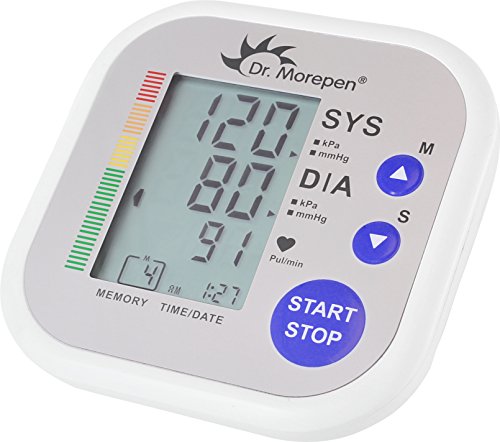
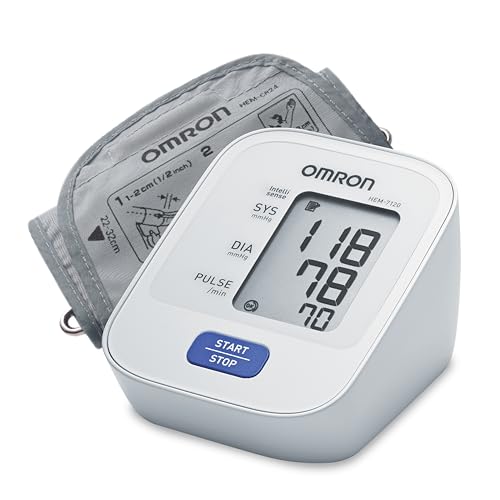
Beyond supplements, a reliable home blood pressure monitor is arguably the single most valuable tool you can own for cardiovascular health after 30 — it turns guesswork into data, and data is what lets you and your doctor catch small problems before they become big ones. Look for an upper-arm cuff model validated by the American Heart Association rather than a wrist device, which tends to be less accurate.
8. Common Mistakes People Make Managing Blood Pressure
- Only checking blood pressure at annual physicals, missing months of trend data in between.
- Cutting salt but ignoring potassium, addressing only half of the sodium-potassium balance.
- Stopping medication once numbers improve, without medical guidance — a common cause of rebound spikes.
- Treating exercise as all-or-nothing, skipping movement entirely on days a full workout isn’t possible.
- Underestimating alcohol’s impact, especially “just one drink” habits that add up nightly.
- Ignoring sleep as a lever, focusing entirely on food and exercise while sleep debt quietly undermines both.
9. Frequently Asked Questions
| Q: What is considered high blood pressure after 30? A: A reading of 130/80 mmHg or higher is classified as Stage 1 high blood pressure under current American Heart Association guidelines, regardless of age. |
| Q: Can high blood pressure be reversed naturally? A: For many people with Stage 1 hypertension, consistent changes to diet, activity, sodium intake, sleep, and stress can bring numbers back into a normal range within weeks to months. More advanced hypertension often still requires medication alongside lifestyle changes. |
| Q: Is high blood pressure in your 30s serious? A: Yes — while a single elevated reading isn’t an emergency, sustained high blood pressure in your 30s significantly raises long-term risk for heart disease, stroke, and kidney damage the longer it goes unmanaged. |
| Q: What foods lower blood pressure fastest? A: Potassium-rich foods like bananas, leafy greens, potatoes, and beans, combined with reduced sodium, tend to produce the most noticeable short-term improvements, especially alongside the broader DASH eating pattern. |
| Q: How often should I check my blood pressure at home? A: Most doctors recommend checking twice daily for one to two weeks when first monitoring, then a few times per week for ongoing tracking, always at the same times of day for consistency. |
10. Your 5-Step Action Plan
- Get a validated upper-arm blood pressure monitor and take a baseline reading this week, at the same time on three separate days.
- Swap one processed, high-sodium meal a day for a DASH-style plate built around vegetables, lean protein, and whole grains.
- Add 20–30 minutes of brisk walking, five days a week, starting this week rather than waiting for a “perfect” routine.
- Set a consistent sleep and wake time, aiming for at least 7 hours, and treat it as non-negotiable for two full weeks.
- Recheck your blood pressure after 30 days and share the trend — not just one number — with your doctor at your next visit.
Conclusion
High blood pressure after 30 isn’t a life sentence — it’s a signal. Your body is telling you, in one of the only ways it can before symptoms show up, that something in the daily routine needs adjusting. The encouraging reality is that blood pressure responds faster to positive change than almost any other health marker: a few weeks of better sleep, less sodium, more movement, and consistent monitoring can shift the numbers in a real, measurable way.
You don’t need a complete life overhaul starting tomorrow. Pick one change from this guide, start today, and let the next reading tell you it’s working.
| Medical Disclaimer This article is for informational purposes only and is not a substitute for professional medical advice, diagnosis, or treatment. Always consult a qualified healthcare provider before making changes to your diet, exercise routine, supplements, or medication, especially if you have an existing health condition. |