

Struggling with itchy feet or skin patches? Discover proven fungal skin infection treatment tips, causes, and top prevention products to stay fungus-free.
Table of Contents
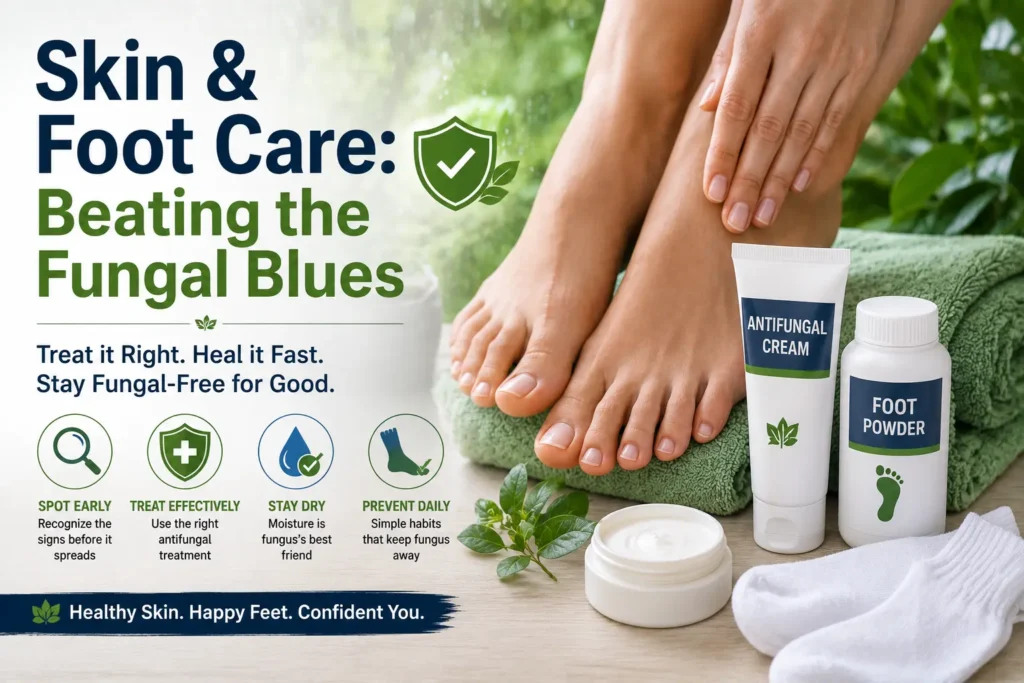
Skin & Foot Care: Beating the Fungal Blues
Monsoons, sweaty gym socks, and humid Indian summers create the perfect breeding ground for one unwelcome guest: fungus. If you’ve ever dealt with itchy toes, peeling skin, or a persistent ring-shaped rash, you already know how frustrating a fungal infection can be. The good news is that with the right fungal skin infection treatment, most cases clear up in a few weeks — and staying fungus-free going forward is even easier.
This guide breaks down why fungal infections happen, how to spot them early, the most effective treatment options, and simple daily habits (plus a few tried-and-tested products) that keep them from coming back.
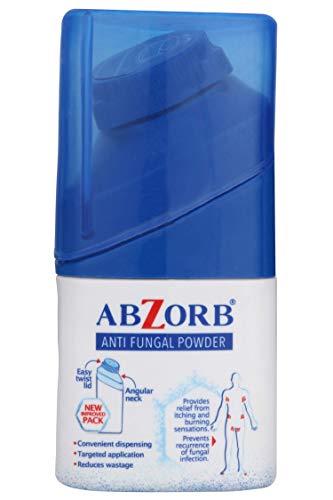
- Manufactured and marketed by: Sun Pharmaceuticals India Ltd
- Anti fungal powder
- Recommended dosage/application : To be used as dusting powder over affected parts of the body
What Causes Fungal Skin Infections?
Fungi thrive in warm, moist, and dark environments — which makes feet, groin folds, underarms, and skin folds especially vulnerable. Common triggers include:
- Excess sweating trapped in socks, shoes, or tight clothing
- Poor ventilation from closed footwear worn for long hours
- Shared surfaces like gym mats, swimming pool decks, and communal showers
- Weakened immunity or uncontrolled blood sugar levels
- Prolonged moisture from not drying skin thoroughly after a bath or workout
Because fungal spores spread easily through direct contact or contaminated surfaces, an effective fungal skin infection treatment plan has to tackle both the current outbreak and the conditions that let it thrive.
Common Types of Fungal Infections
| Infection | Common Name | Typical Location |
|---|---|---|
| Tinea pedis | Athlete’s foot | Between toes, soles |
| Tinea corporis | Ringworm | Torso, limbs |
| Tinea cruris | Jock itch | Groin, inner thighs |
| Tinea unguium | Nail fungus | Toenails, fingernails |
| Candidiasis | Yeast infection | Skin folds, underarms |
Each of these responds well to topical antifungals when caught early, though stubborn or recurring cases may need an oral prescription from a dermatologist.
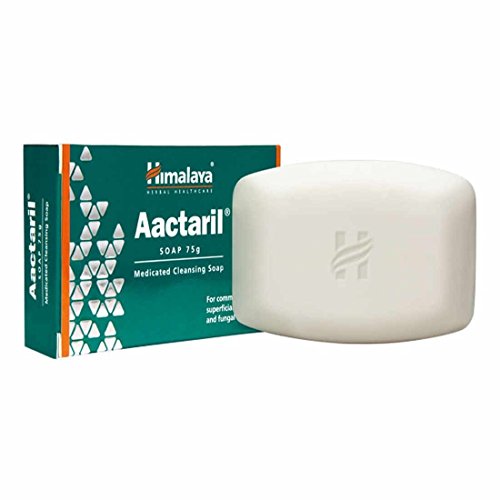
- Adjuvant Treatment for Skin Infections: Supports the treatment of bacterial and fungal skin infections including follicu…
- Prevention of Recurrent Infections: Helps prevent recurrent skin infections when used regularly as part of your daily hy…
- Natural Herbal Ingredients: Formulated with Karanja, Barbari, Nimba, Jambira, and Ushira, traditional Ayurvedic ingredie…
Signs You Might Have a Fungal Infection
- Persistent itching, especially after sweating
- Red or discoloured patches with a defined, sometimes ring-shaped border
- Peeling, cracking, or flaking skin (common between toes)
- A musty or unpleasant odour
- Small blisters or a burning sensation on the soles of the feet
If symptoms last more than two weeks or keep returning, it’s worth consulting a doctor rather than self-treating indefinitely.
Step-by-Step Fungal Skin Infection Treatment
1. Clean and Dry the Area Thoroughly
Wash the affected area with mild soap and lukewarm water, then pat it completely dry — fungus can’t survive without moisture. Pay special attention to the spaces between toes.
2. Apply an Antifungal Cream or Powder
Over-the-counter antifungal creams containing clotrimazole, terbinafine, or miconazole are typically applied twice daily for 2–4 weeks, even after visible symptoms disappear, to fully clear the infection.
3. Switch to Breathable Fabrics
Cotton socks and well-ventilated footwear reduce moisture buildup. Avoid synthetic socks or tight shoes during an active infection.
4. Disinfect Shoes and Personal Items
Fungal spores can linger in shoes, towels, and nail clippers. Use an antifungal spray or sun-dry footwear regularly to prevent reinfection.
5. Don’t Stop Treatment Early
Stopping antifungal cream as soon as itching subsides is one of the most common reasons infections return. Complete the full recommended course.
6. See a Dermatologist for Persistent Cases
Nail fungus or infections that don’t improve within 2–3 weeks of topical treatment often need an oral antifungal prescribed by a doctor.
Prevention: Keeping the Fungal Blues Away for Good
Prevention is far easier — and cheaper — than repeated treatment. Build these habits into your routine:
- Dry feet and skin folds completely after every bath or workout
- Rotate footwear so shoes have time to air out between wears
- Wear moisture-wicking or cotton socks, especially in humid weather
- Avoid walking barefoot in public showers, pools, or locker rooms
- Use an antifungal foot powder daily if you’re prone to sweaty feet
- Trim nails regularly and avoid sharing nail clippers or towels
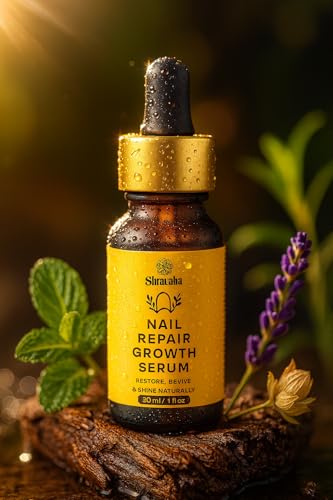
- ✅ It promotes healthy nail growth and prevents nails from cracking or breaking.
- ✅ Let your nails shine! The non-greasy nail care serum combines the high-nutrition benefits of almond oil.
- ✅ Almond Oil nourishes nails and softens them with multi-nutrients, including Vitamins A, B1, B2, B6, D, E, and poly & m…
Recommended Products for Prevention & Care
(General product categories — always check the label and consult a pharmacist or doctor before use, especially for sensitive skin or existing conditions.)
- Antifungal Foot Powder – Absorbs sweat and creates a dry environment that discourages fungal growth; ideal for daily use inside shoes and socks.
- Clotrimazole or Terbinafine Cream – A staple over-the-counter treatment for active athlete’s foot, ringworm, or jock itch.
- Medicated Antifungal Soap/Body Wash – Useful for those prone to recurring skin fold infections.
- Breathable Cotton Socks (Multi-pack) – Reduces moisture buildup compared to synthetic blends.
- Shoe Deodorizer/UV Sanitizer – Helps disinfect footwear between uses, cutting down reinfection risk.
- Antifungal Nail Serum – Targeted treatment for early-stage nail discoloration or thickening.
FAQs
1. How long does a fungal skin infection treatment usually take to work? Most mild fungal infections improve within 1–2 weeks of consistent antifungal cream use, but the full course (often 2–4 weeks) should be completed to prevent recurrence.
2. Can fungal infections go away on their own without treatment? Rarely. Without antifungal treatment and dry conditions, fungal infections tend to persist or spread rather than resolve on their own.
3. Is athlete’s foot contagious? Yes. It spreads through direct contact and contaminated surfaces like gym floors, pool decks, and shared towels, so good hygiene is essential during treatment.
4. What’s the difference between a fungal infection and eczema? Fungal infections usually have a defined, often ring-shaped border and respond to antifungal cream, while eczema tends to be more diffuse, dry, and itchy without a clear edge — a dermatologist can confirm the difference if unsure.
5. Can diet or lifestyle affect fungal infections? Yes. High sugar intake, tight synthetic clothing, and poor foot hygiene can all increase susceptibility, especially in people with diabetes or excessive sweating.
6. When should I see a doctor instead of using OTC cream? If the infection doesn’t improve after 2–3 weeks, spreads rapidly, affects the nails, or you have diabetes or a weakened immune system, see a dermatologist promptly.
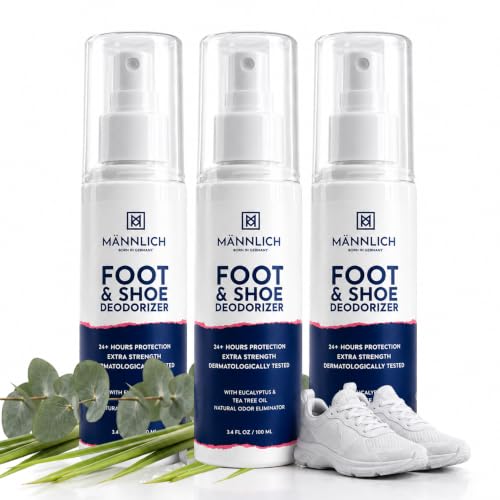
- 𝗙𝗼𝗼𝘁 & 𝗦𝗵𝗼𝗲 𝗢𝗱𝗼𝗿 𝗥𝗲𝗺𝗼𝘃𝗲𝗿 𝗦𝗽𝗿𝗮𝘆: Mannlich Foot & Shoe Deodorizer Spray targets and eliminates odor at its source with a p…
- 𝗦𝗮𝗳𝗲 𝗮𝗻𝗱 𝗚𝗲𝗻𝘁𝗹𝗲 𝗼𝗻 𝗦𝗸𝗶𝗻: Formulated with natural ingredients like glycerin, allantoin, and menthol crystals, Mannlich Fo…
- 𝗙𝗮𝘀𝘁-𝗔𝗰𝘁𝗶𝗻𝗴 𝗮𝗻𝗱 𝗟𝗼𝗻𝗴-𝗟𝗮𝘀𝘁𝗶𝗻𝗴: Experience quick odor removal with Mannlich Foot & Shoe Deodorizer Spray. Enjoy over 600 s…
Final Thoughts
Fungal infections are uncomfortable but highly manageable with the right combination of hygiene, consistent antifungal treatment, and smart prevention habits. Whether you’re dealing with your first bout of athlete’s foot or trying to stop recurring ringworm, sticking to a proper fungal skin infection treatment routine — and pairing it with breathable footwear and daily foot care — will keep the fungal blues away for good.