

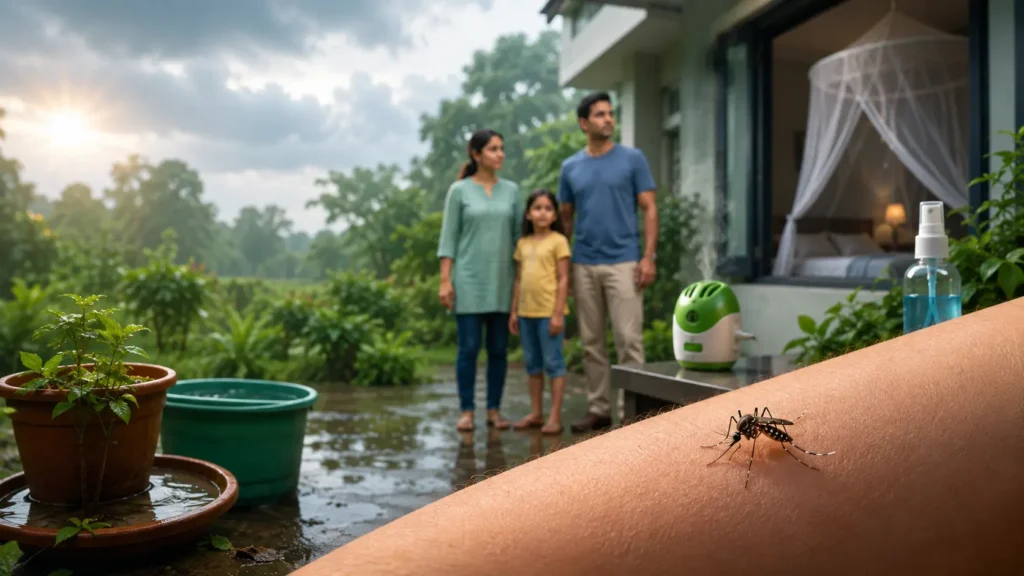
Mosquito-borne diseases like dengue and malaria are on the rise. Learn the warning signs, risks, and proven prevention tips to protect your family.
The Invisible Enemy: Mosquito-Borne Diseases
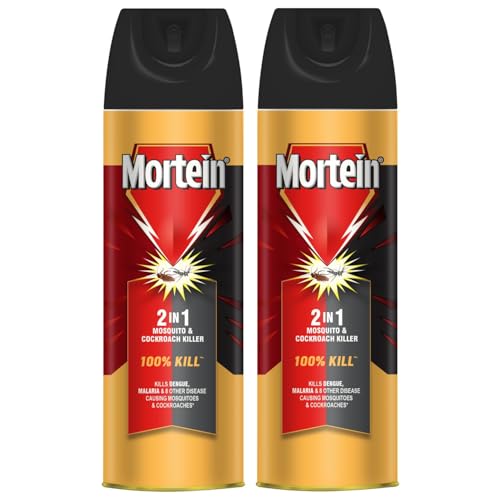
- Eliminate pesky insects with Mortein 2 in 1 Mosquito and Cockroach Killer Spray
- Fast-acting formula kills mosquitoes, cockroaches, and flies up to 2x faster
- Our unique nozzle ensures an easy reach into corners for complete coverage
They’re small, silent, and often go unnoticed until it’s too late. Mosquito-borne diseases quietly affect millions of people every year, especially during and after the monsoon season when stagnant water creates the perfect breeding ground. From dengue fever to malaria, these illnesses can range from mildly uncomfortable to life-threatening — making early awareness and prevention absolutely essential.
This guide walks you through the most common mosquito-borne diseases, how to recognize the warning signs, and practical, everyday steps to keep your home and family protected.
Table of Contents
Why Mosquito-Borne Diseases Are a Growing Concern
Rising temperatures, urban waterlogging, and inconsistent sanitation have made mosquito populations harder to control in many parts of India and beyond. A single female mosquito can lay hundreds of eggs in stagnant water as shallow as a bottle cap, and it takes just 7–10 days for those eggs to become biting adults. This rapid breeding cycle is exactly why mosquito-borne diseases spread so quickly in dense neighbourhoods and during rainy seasons.
Common Mosquito-Borne Diseases
| Disease | Carrier Mosquito | Key Symptoms | Peak Season |
|---|---|---|---|
| Dengue | Aedes aegypti | High fever, severe joint/muscle pain, rash, low platelet count | Post-monsoon |
| Malaria | Anopheles | Cyclical fever with chills, sweating, fatigue | Monsoon & post-monsoon |
| Chikungunya | Aedes aegypti | Sudden fever, intense joint pain, swelling | Monsoon |
| Zika Virus | Aedes aegypti | Mild fever, rash, red eyes (often asymptomatic) | Monsoon |
| Japanese Encephalitis | Culex | High fever, headache, confusion, seizures (severe cases) | Monsoon in rural/agricultural areas |
Each disease has a different carrier species and severity profile, but they share one thing in common: they’re all preventable by controlling mosquito exposure and breeding sites.
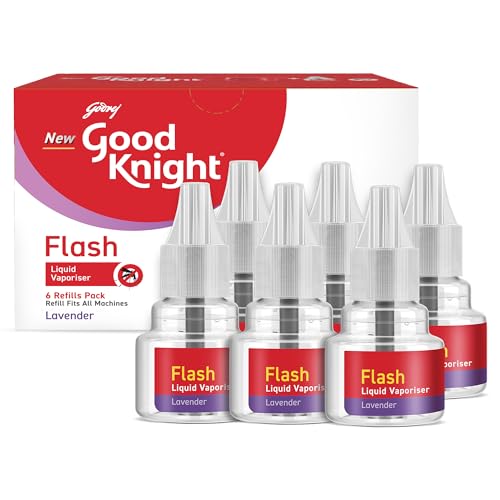
- SUPER SAVER PACK: Contains 6 units of Goodknight Flash Liquid Vapourizer Refill – Lavender Fragrance (45ml each)
- INDIA’S MOST POWERFUL LIQUID VAPOURISER. Disclaimer: As per a comparative study conducted by an independent NABL accredi…
- 2-HOUR CONTINUOUS ACTION: Works for 2 hours even after being switched off *When the machine is used for 2 hours in flash…
Warning Signs You Shouldn’t Ignore
While symptoms vary by disease, seek medical attention promptly if you or a family member experiences:
- Sudden high fever (especially above 102°F/39°C)
- Severe headache with pain behind the eyes
- Joint or muscle pain that feels disproportionately intense
- Skin rash appearing a few days after fever onset
- Unusual fatigue, nausea, or vomiting
- Bleeding gums or easy bruising (a red flag for dengue)
Early diagnosis, particularly for dengue and malaria, significantly improves recovery outcomes and helps avoid complications.
How Mosquito-Borne Diseases Spread
- A mosquito bites an infected person and picks up the virus or parasite.
- The pathogen incubates inside the mosquito for several days.
- The mosquito bites another person, transmitting the infection.
- Stagnant water sources — flowerpots, coolers, tires, clogged drains — allow mosquito populations to multiply rapidly, accelerating the cycle.
Because transmission depends entirely on mosquito contact, breaking this chain is the single most effective way to reduce your risk.
Prevention: Breaking the Mosquito-Borne Disease Cycle
1. Eliminate Standing Water
Empty and clean flowerpots, coolers, buckets, and any container that can collect rainwater at least once a week. Cover water storage tanks tightly.
2. Use Mosquito Repellents Consistently
Apply DEET or picaridin-based repellents on exposed skin, especially during dawn and dusk when mosquitoes are most active.
3. Install Physical Barriers
Window and door mesh screens, mosquito nets over beds, and screened balconies significantly cut down indoor mosquito entry.
4. Wear Protective Clothing
Long sleeves and full-length pants reduce exposed skin, particularly useful during outdoor evening activities.
5. Use Indoor Mosquito Control Devices
Electric vaporizers, mosquito coils (in well-ventilated areas), and UV mosquito traps help reduce indoor mosquito density.
6. Support Community-Level Fogging and Cleanup
Report waterlogged areas or construction sites with standing water to local municipal authorities — community action often has a bigger impact than individual efforts alone.
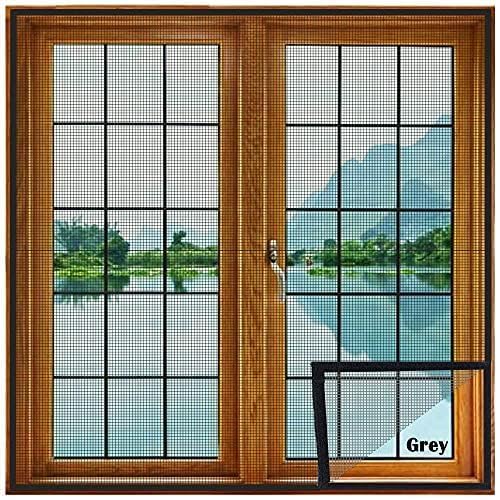
- You have chosen the Standard size 90*120 cms. Please note Customisation on standard sizes won’t be provided. If you need…
- “STITCHED READY TO USE” : Upgraded Ready made Window Nets. The net is pre-stitched for the size selected. Pack also incl…
- “HIGH QUALITY WINDOW MOSQUITO NET” : Fiberglass 120 GSM best in class. Good toughness, LightWeight and durable screen me…
Recommended Products for Prevention
(General product categories — always follow label instructions and consult a doctor for children, pregnant women, or anyone with skin sensitivities.)
- DEET/Picaridin-Based Mosquito Repellent Spray or Roll-On – For direct skin application before outdoor exposure.
- Mosquito Repellent Patches/Bands – A convenient chemical-free option for kids.
- Electric Mosquito Vaporizer with Refill – For continuous indoor protection overnight.
- Window & Door Mesh Screens – A one-time investment for long-term physical barrier protection.
- Mosquito Net (Bed Canopy) – Especially useful in high-risk or rural areas.
- Larvicide Tablets/Sprays for Water Tanks – Prevents mosquito breeding in stored water.
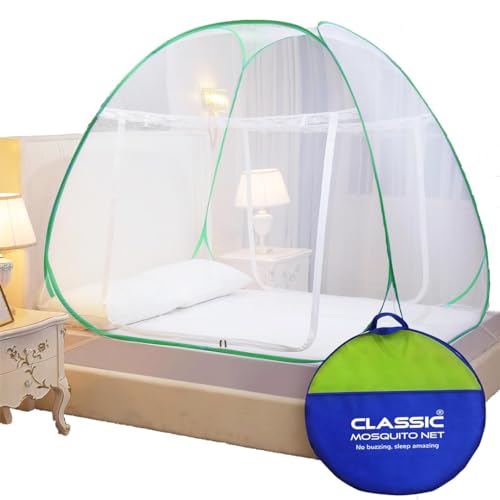
- SIZE & BEST FIT FOR KING SIZE / DOUBLE BEDS: Classic Foldable Mosquito Net size is 200cm x 200cm x 145cm / 6.5ft x 6.5ft…
- 30 GSM PREMIUM POLYESTER MESH: Made with 30 GSM breathable polyester fine mesh that helps block mosquitoes, flies, and o…
- INSTANT POP-UP FOLDABLE DESIGN: No drilling, no hanging, and no complicated installation required. The self-supporting s…
FAQs
1. What is the most common mosquito-borne disease in India? Dengue is currently one of the most widely reported mosquito-borne diseases in India, with cases typically peaking during and after the monsoon season.
2. How quickly do symptoms appear after a mosquito bite? Symptoms usually appear within 4–10 days of infection, depending on the specific disease, though some infections like Zika can be mild or entirely asymptomatic.
3. Can mosquito-borne diseases be prevented with vaccines? Vaccines exist for a few mosquito-borne diseases like Japanese encephalitis and, in some countries, dengue, but prevention through mosquito control remains the primary defense for most people.
4. Is it safe to use mosquito repellents on children? Most pediatricians recommend age-appropriate, lower-concentration repellents for children and advise avoiding repellent use on infants under two months, so it’s best to check product labeling and consult a doctor.
5. Do mosquito coils and vaporizers actually work? Yes, when used in properly ventilated spaces, they can meaningfully reduce indoor mosquito activity, though combining them with source reduction (removing standing water) is far more effective long-term.
6. When should I see a doctor after a mosquito bite? If fever, rash, or joint pain develops within a week or two of potential exposure, especially in high-risk or outbreak areas, it’s important to get tested promptly rather than waiting it out.
Final Thoughts
Mosquito-borne diseases may be invisible until symptoms strike, but their spread is far from unpredictable. By eliminating breeding sites, using repellents consistently, and investing in simple physical barriers like screens and nets, you can dramatically cut your household’s risk. Prevention isn’t a one-time task — it’s a habit worth building into your routine, especially as seasons shift and mosquito activity peaks.