
Fatty liver after 30 is on the rise — often silently. Discover the real causes, warning signs, and proven ways to reverse it naturally.
Introduction
You eat reasonably well, you’re not a heavy drinker, and you feel more or less fine — so when a routine blood panel flags “elevated liver enzymes,” it can feel like it came out of nowhere.
Here’s the part that surprises most people: you don’t have to drink to develop a fatty liver. Non-alcoholic fatty liver disease (NAFLD) now affects an estimated 1 in 3 American adults, and it becomes dramatically more common once you cross 30, as metabolism slows and years of small dietary habits start to compound.
The good news is that fatty liver, caught in its early stages, is one of the most reversible conditions in the body. This guide walks through exactly why it develops after 30, how to spot the subtle warning signs, and the specific, science-backed steps that can help your liver heal.
| Key Takeaways |
- Fatty liver disease doesn’t require alcohol to develop — insulin resistance, excess sugar, and abdominal fat are the leading drivers after 30.
- Early-stage fatty liver (simple steatosis) is usually fully reversible through diet and weight loss within 3–6 months.
- Most people have zero symptoms until the disease has progressed, which is why routine bloodwork matters more than how you feel.
- Losing just 7–10% of body weight has been shown in clinical studies to meaningfully reduce liver fat.
- Added sugar and refined carbs — not just dietary fat — are among the biggest contributors to fat buildup in the liver.
- Certain nutrients like milk thistle, choline, and vitamin E have research behind supporting liver health alongside lifestyle changes.
1. What Is Fatty Liver Disease?
Fatty liver disease happens when excess fat accumulates in liver cells — a healthy liver contains very little fat, but once it exceeds about 5–10% of the organ’s weight, it’s classified as fatty liver.
The Two Main Types
- Non-Alcoholic Fatty Liver Disease (NAFLD): Linked to obesity, insulin resistance, and diet — the far more common type after 30.
- Alcoholic Fatty Liver Disease (AFLD): Caused directly by heavy, sustained alcohol use.
This guide focuses primarily on NAFLD, since it’s the version most adults in their 30s and 40s are actually dealing with, often without realizing it.
Fatty liver progresses through recognizable stages, and knowing where you might fall matters for how urgently to act:
| Stage | What’s Happening |
| Stage 1 Simple Fatty Liver | Fat builds up in liver cells; usually no damage yet, often reversible with lifestyle change. |
| Stage 2 NASH | Fat plus inflammation begins damaging liver cells; still often reversible if caught here. |
| Stage 3 Fibrosis | Chronic inflammation causes scar tissue to form around the liver and nearby blood vessels. |
| Stage 4 Cirrhosis | Extensive scarring replaces healthy tissue; damage is largely permanent at this stage. |
2. Why Fatty Liver Becomes More Common After 30
Several biological and lifestyle shifts converge in your 30s to make fatty liver more likely than it was a decade earlier.
- Slowing metabolism: Your body burns fewer calories at rest than it did in your 20s, so the same diet gradually produces more stored fat, including in the liver.
- Rising insulin resistance: Years of high-sugar eating patterns can gradually blunt how well your cells respond to insulin, pushing more fat into liver storage.
- Increasing abdominal fat: Visceral fat around the organs — common after 30 — is strongly linked to liver fat accumulation specifically.
- Less physical activity: Busier careers and family life often mean less daily movement than your 20s, reducing how efficiently your body clears fat and sugar.
- Cumulative dietary habits: A decade-plus of sugary drinks, refined carbs, and processed food adds up in ways that don’t show up immediately.
None of this is about blame — it’s about recognizing that fatty liver is largely a numbers game of years and habits, which also means it responds well to a change in direction.
3. Symptoms and Warning Signs You Shouldn’t Ignore
Fatty liver is famously quiet in its early stages — most people find out from routine bloodwork rather than symptoms. As it progresses, though, some signs can appear:
- Persistent fatigue or low energy that doesn’t match your sleep or activity levels
- Mild discomfort or a dull ache in the upper right abdomen
- Unexplained weight changes
- Elevated liver enzymes (ALT/AST) on routine blood tests
- In later stages: yellowing skin or eyes, swelling in the legs, or easy bruising
| When to See a Doctor If you notice persistent abdominal discomfort, unexplained fatigue, or yellowing of the skin or eyes, schedule an appointment promptly. Early-stage fatty liver is reversible, but waiting allows more permanent damage to accumulate. |
4. Risk Factors: What You Can and Can’t Control
Non-Modifiable Factors
- Family history of fatty liver disease or type 2 diabetes
- Certain genetic variants that affect fat metabolism in the liver
- Age — risk climbs steadily from your 30s onward
Modifiable Factors
- Excess body weight, especially abdominal fat
- High intake of added sugar and refined carbohydrates
- Type 2 diabetes or prediabetes
- Physical inactivity
- High cholesterol or triglycerides
- Regular alcohol consumption, even at moderate levels
As with most metabolic conditions, genetics load the gun, but daily habits after 30 largely determine whether — and how far — fatty liver actually develops.
5. How Fatty Liver Is Diagnosed
Because symptoms are so easy to miss, diagnosis usually starts with something else entirely — a routine physical or bloodwork panel. From there, doctors typically use:
- Blood tests: Elevated ALT and AST liver enzymes are often the first clue.
- Ultrasound: A common, non-invasive imaging method to detect fat buildup in the liver.
- FibroScan: A specialized ultrasound that measures liver stiffness to assess scarring.
- Liver biopsy: Reserved for unclear or more advanced cases, to precisely stage the disease.
If you haven’t had liver enzymes checked in a while, it’s worth asking your doctor to include them at your next annual bloodwork — it’s a simple add-on with real long-term value.
6. Proven Ways to Reverse Fatty Liver Naturally
Lose 7–10% of Body Weight
This is the single most evidence-backed intervention for fatty liver. Multiple clinical studies show that losing 7–10% of body weight can significantly reduce liver fat and even reverse early inflammation.
Cut Back on Added Sugar and Refined Carbs
Fructose in particular — found heavily in soda, juice, and processed snacks — is converted directly into fat by the liver. Reducing added sugar often produces faster improvements than cutting dietary fat.
Move Your Body Most Days
Both aerobic exercise and resistance training have been shown to reduce liver fat independent of weight loss. Aim for at least 150 minutes of moderate activity weekly.
Limit or Eliminate Alcohol
Even moderate drinking places extra metabolic burden on an already-stressed liver. Cutting back gives the organ more capacity to focus on clearing existing fat.
Prioritize Sleep and Manage Stress
Poor sleep and chronic stress both worsen insulin resistance, indirectly promoting more fat storage in the liver over time.
7. Best Foods to Eat and Avoid
What’s on your plate matters more for liver health than almost any other single factor. Use this as a quick, practical reference:
| Eat More | Eat Less |
| ✓ Leafy greens (spinach, kale) | ✗ Fried and fast food |
| ✓ Fatty fish (salmon, sardines) | ✗ Sugary drinks and soda |
| ✓ Olive oil (in moderation) | ✗ White bread and refined grains |
| ✓ Oats and whole grains | ✗ Red and processed meats |
| ✓ Coffee (unsweetened) | ✗ Alcohol |
| ✓ Walnuts and almonds | ✗ Candy and pastries |
8. Common Mistakes People Make With Fatty Liver
- Focusing only on dietary fat while ignoring added sugar, which is often the bigger driver of liver fat.
- Assuming no symptoms means no problem, and skipping recommended follow-up bloodwork.
- Trying extreme rapid weight loss, which can actually worsen liver inflammation in some cases — gradual loss is safer and more effective.
- Overlooking alcohol’s impact, assuming that “a glass or two” doesn’t count toward liver strain.
- Not retesting after making changes, so there’s no way to confirm whether the approach is actually working.
9. Supplements and Tools That Support Liver Health
Supplements can’t undo a poor diet, but a few have real research behind supporting liver function as part of a broader plan:
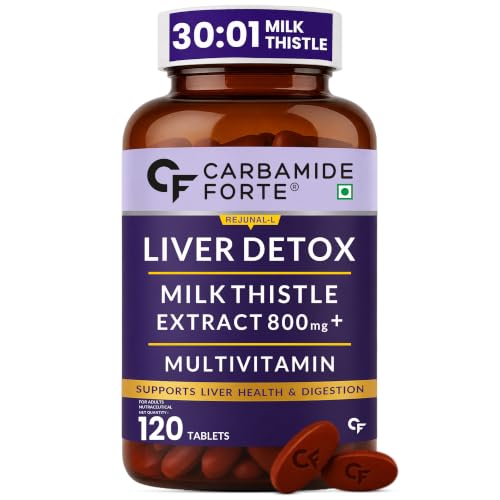
- Milk thistle (silymarin): One of the most studied liver-support herbs, with research suggesting antioxidant and anti-inflammatory effects on liver cells.
- Choline: An essential nutrient involved in how the liver exports fat; many adults fall short of recommended intake.
- Vitamin E: Studied specifically for reducing liver inflammation in non-diabetic adults with NAFLD, under medical guidance.
- Omega-3 fatty acids: Fish oil has shown modest reductions in liver fat in several clinical trials.
Alongside supplements, a simple food journal app or a basic kitchen scale can make an outsized difference — most people underestimate added sugar and refined carb intake until they actually track it for a week or two, which makes the biggest lever in liver health visible for the first time.
10. Frequently Asked Questions
| Q: Can fatty liver be reversed after 30? A: Yes — early-stage fatty liver (simple steatosis) is typically fully reversible through weight loss, reduced sugar intake, and increased activity, often within 3–6 months of consistent changes. |
| Q: What foods should I avoid with fatty liver? A: Limit added sugar, sugary drinks, refined carbohydrates, fried foods, red and processed meats, and alcohol, all of which contribute directly to fat buildup in the liver. |
| Q: Does fatty liver cause weight gain or is it caused by weight gain? A: The relationship runs both ways: excess weight, particularly abdominal fat, is a leading cause of fatty liver, and the resulting insulin resistance can make further weight gain more likely, creating a cycle. |
| Q: How much weight loss is needed to improve fatty liver? A: Clinical research points to 7–10% of total body weight as the threshold most associated with significant reductions in liver fat and inflammation. |
| Q: Can you have fatty liver without drinking alcohol? A: Yes — non-alcoholic fatty liver disease (NAFLD) is the most common form in the U.S. and develops primarily from diet, weight, and insulin resistance rather than alcohol. |
11. Your Action Plan: Start Today
- Ask your doctor to check ALT and AST liver enzymes at your next bloodwork if it’s been over a year.
- Cut sugary drinks first — soda, juice, and sweetened coffee are the fastest lever to pull for reducing liver fat.
- Add a 20–30 minute walk after your largest meal of the day, most days this week.
- Swap one refined-carb meal a day for a whole-food version built around vegetables, lean protein, and healthy fats.
- Set a follow-up bloodwork date 3 months out so you have a clear checkpoint to measure real progress.
Conclusion
A fatty liver diagnosis after 30 can feel alarming, especially when it shows up with no warning and no symptoms. But of all the metabolic conditions that tend to surface in your 30s and 40s, this is one of the most responsive to change — many people see meaningful improvement in liver enzymes within just a few months of consistent effort.
You don’t need a perfect diet overnight. Start with one section of this guide — cutting sugary drinks, adding a daily walk, or scheduling that follow-up bloodwork — and let your next set of labs be the proof that it’s working.
| Medical Disclaimer This article is for informational purposes only and is not a substitute for professional medical advice, diagnosis, or treatment. Always consult a qualified healthcare provider before making changes to your diet, exercise routine, supplements, or medication, especially if you have an existing health condition. |