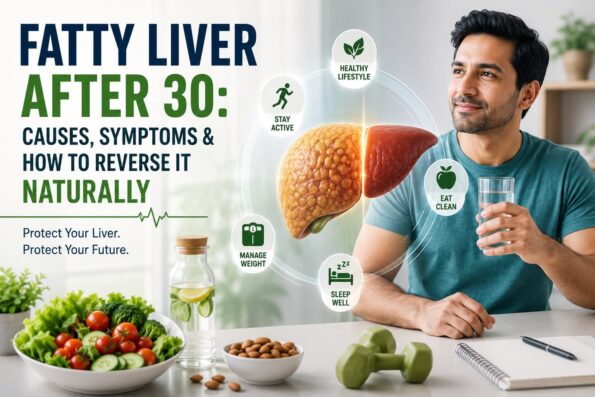
Fatty Liver After 30: Causes, Symptoms & How to Reverse It Naturally

Fatty Liver After 30: Causes, Symptoms & How to Reverse It Naturally

Fatty liver after 30 is on the rise — often silently. Discover the real causes, warning signs, and proven ways to reverse it naturally. Introduction You eat reasonably well, you’re not a heavy drinker, and you feel more or less fine — so when a routine blood panel flags “elevated liver enzymes,” it can feel like it came out of nowhere. Here’s the part that surprises most people: you don’t have to drink to develop a fatty liver. Non-alcoholic fatty liver disease (NAFLD) now affects an estimated 1 in 3 American adults, and it becomes dramatically more common once you cross 30, as metabolism slows and years of small dietary habits start to compound. The good news is that fatty liver, caught in its early stages, is one of the most reversible conditions in the body. This guide walks through exactly why it develops after 30, how to spot the subtle warning signs, and the specific, science-backed steps that can help your liver heal. Key Takeaways   1. What Is Fatty Liver Disease? Fatty liver disease happens when excess fat accumulates in liver cells — a healthy liver contains very little fat, but once it exceeds about 5–10% of the organ’s weight, it’s classified as fatty liver. The Two Main Types This guide focuses primarily on NAFLD, since it’s the version most adults in their 30s and 40s are actually dealing with, often without realizing it. Fatty liver progresses through recognizable stages, and knowing where you might fall matters for how urgently to act: Stage What’s Happening Stage 1 Simple Fatty Liver Fat builds up in liver cells; usually no damage yet, often reversible with lifestyle change. Stage 2 NASH Fat plus inflammation begins damaging liver cells; still often reversible if caught here. Stage 3 Fibrosis Chronic inflammation causes scar tissue to form around the liver and nearby blood vessels. Stage 4 Cirrhosis Extensive scarring replaces healthy tissue; damage is largely permanent at this stage. 2. Why Fatty Liver Becomes More Common After 30 Several biological and lifestyle shifts converge in your 30s to make fatty liver more likely than it was a decade earlier. None of this is about blame — it’s about recognizing that fatty liver is largely a numbers game of years and habits, which also means it responds well to a change in direction. 3. Symptoms and Warning Signs You Shouldn’t Ignore Fatty liver is famously quiet in its early stages — most people find out from routine bloodwork rather than symptoms. As it progresses, though, some signs can appear: When to See a Doctor If you notice persistent abdominal discomfort, unexplained fatigue, or yellowing of the skin or eyes, schedule an appointment promptly. Early-stage fatty liver is reversible, but waiting allows more permanent damage to accumulate. 4. Risk Factors: What You Can and Can’t Control Non-Modifiable Factors Modifiable Factors As with most metabolic conditions, genetics load the gun, but daily habits after 30 largely determine whether — and how far — fatty liver actually develops. 5. How Fatty Liver Is Diagnosed Because symptoms are so easy to miss, diagnosis usually starts with something else entirely — a routine physical or bloodwork panel. From there, doctors typically use: If you haven’t had liver enzymes checked in a while, it’s worth asking your doctor to include them at your next annual bloodwork — it’s a simple add-on with real long-term value. 6. Proven Ways to Reverse Fatty Liver Naturally Lose 7–10% of Body Weight This is the single most evidence-backed intervention for fatty liver. Multiple clinical studies show that losing 7–10% of body weight can significantly reduce liver fat and even reverse early inflammation. Cut Back on Added Sugar and Refined Carbs Fructose in particular — found heavily in soda, juice, and processed snacks — is converted directly into fat by the liver. Reducing added sugar often produces faster improvements than cutting dietary fat. Move Your Body Most Days Both aerobic exercise and resistance training have been shown to reduce liver fat independent of weight loss. Aim for at least 150 minutes of moderate activity weekly. Limit or Eliminate Alcohol Even moderate drinking places extra metabolic burden on an already-stressed liver. Cutting back gives the organ more capacity to focus on clearing existing fat. Prioritize Sleep and Manage Stress Poor sleep and chronic stress both worsen insulin resistance, indirectly promoting more fat storage in the liver over time. 7. Best Foods to Eat and Avoid What’s on your plate matters more for liver health than almost any other single factor. Use this as a quick, practical reference: Eat More Eat Less ✓ Leafy greens (spinach, kale) ✗ Fried and fast food ✓ Fatty fish (salmon, sardines) ✗ Sugary drinks and soda ✓ Olive oil (in moderation) ✗ White bread and refined grains ✓ Oats and whole grains ✗ Red and processed meats ✓ Coffee (unsweetened) ✗ Alcohol ✓ Walnuts and almonds ✗ Candy and pastries 8. Common Mistakes People Make With Fatty Liver 9. Supplements and Tools That Support Liver Health Supplements can’t undo a poor diet, but a few have real research behind supporting liver function as part of a broader plan: Alongside supplements, a simple food journal app or a basic kitchen scale can make an outsized difference — most people underestimate added sugar and refined carb intake until they actually track it for a week or two, which makes the biggest lever in liver health visible for the first time. 10. Frequently Asked Questions Q: Can fatty liver be reversed after 30? A: Yes — early-stage fatty liver (simple steatosis) is typically fully reversible through weight loss, reduced sugar intake, and increased activity, often within 3–6 months of consistent changes. Q: What foods should I avoid with fatty liver? A: Limit added sugar, sugary drinks, refined carbohydrates, fried foods, red and processed meats, and alcohol, all of which contribute directly to fat buildup in the liver. Q: Does fatty liver cause weight gain or is it caused by weight gain? A: The relationship
CONTINUE READING ➞
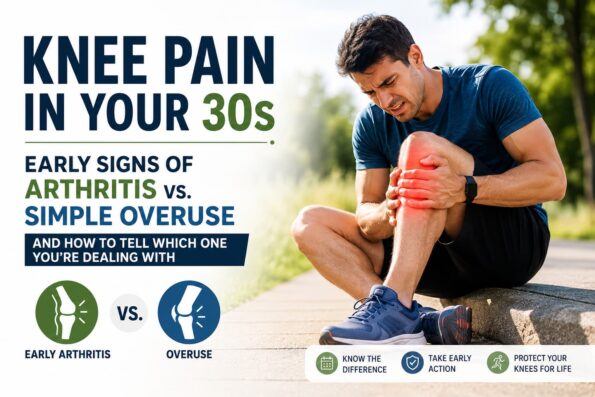
Knee Pain in Your 30s: Early Arthritis vs. Overuse (How to Tell the Difference)

Knee Pain in Your 30s: Early Arthritis vs. Overuse (How to Tell the Difference)

Knee pain in your 30s could be early arthritis or just overuse. Learn the key differences, warning signs, and how to protect your knees. Introduction Your knees used to be an afterthought. Now they crack going down stairs, ache after a weekend hike, or feel stiff getting out of bed — and a small, nagging question has started creeping in: is this just overuse, or is this the beginning of arthritis? It’s a fair question. Knee pain in your 30s sits in a confusing middle ground — too young for most people to seriously consider arthritis, but old enough that the wear-and-tear from years of activity (or inactivity) is starting to show. The two causes can feel remarkably similar day to day, which makes it easy to either panic unnecessarily or ignore something that actually needs attention. This guide breaks down the real differences between early arthritis and overuse-related knee pain, the specific signs that point to each, and what actually helps — so you can respond to what’s happening in your knees instead of guessing. Key Takeaways   1. Why Knee Pain Shows Up Earlier Than You’d Expect Knee cartilage doesn’t have its own blood supply, which means it heals slowly and naturally thins with age and repeated use — a process that quietly begins well before 40 for many people. Add in years of running, sports, weight fluctuations, or simply sitting for long stretches at a desk job, and the cumulative stress on the joint by your 30s is often higher than it feels. Early knee pain isn’t necessarily alarming, but it is your body’s way of asking for attention before a bigger problem develops. 2. Early Signs of Arthritis in Your Knees Osteoarthritis — the most common type affecting the knees — develops gradually as cartilage wears down. Early signs include: Early-onset arthritis in your 30s is more common than most people assume, especially with a family history, prior knee injury, or years of high-impact activity. 3. Signs Your Knee Pain Is From Overuse Overuse injuries — including patellar tendinitis, IT band syndrome, and runner’s knee — develop from repetitive strain rather than gradual joint degeneration. Typical signs include: Overuse pain is your body flagging that a specific tissue is under more stress than it can currently handle — usually a recoverable, short-term problem when addressed early. 4. Arthritis vs. Overuse: Side-by-Side Comparison When the two conditions are laid out side by side, the patterns become much easier to recognize: Feature Early Arthritis Overuse Injury Pain pattern Gradual, often worse in the morning or after rest (“gelling”) Sudden or tied to a specific activity spike; worse during or right after use Swelling Mild, persistent puffiness that lingers for weeks Localized swelling that appears soon after activity and often fades with rest Stiffness Morning stiffness lasting 30+ minutes, improves with gentle movement Stiffness mainly right after activity, resolves with a short warm-up Sound/sensation Grinding or grating sensation (crepitus) with movement Sharp, localized pain at a specific spot, not usually grinding Pattern over time Slowly worsens over months to years, often in both knees Improves with rest and typically resolves in days to a few weeks Typical trigger No clear single trigger — appears gradually with age and wear Clear link to a specific activity: running increase, new sport, repetitive strain If your symptoms line up mostly with one column, that’s a useful starting point — but persistent or worsening pain in either category is worth a professional evaluation rather than a guess. 5. Risk Factors for Early Knee Arthritis Non-Modifiable Factors Modifiable Factors A past injury is one of the strongest predictors of early arthritis — if you tore a ligament or meniscus in your teens or 20s, your knee is statistically more likely to develop arthritis earlier than average. 6. When to See a Doctor Most mild knee pain can be reasonably managed at home for one to two weeks. Certain signs, however, call for a professional evaluation sooner: Don’t Wait It Out A knee that locks, gives way, or swells significantly right after an injury should be evaluated promptly — these can indicate ligament or meniscus damage that benefits from early treatment. 7. How Knee Pain Is Diagnosed A doctor or physical therapist typically starts with a physical exam and your activity history before recommending imaging. Common diagnostic tools include: Getting an accurate diagnosis early matters, since arthritis and overuse injuries respond best to somewhat different treatment approaches, even though both benefit from targeted strengthening. 8. Proven Ways to Relieve and Prevent Knee Pain Strengthen the Muscles Around the Knee Strong quadriceps, hamstrings, and glutes reduce the load directly on the joint itself. Research consistently shows targeted strength training reduces pain in both arthritis and overuse cases. Manage Body Weight Every extra pound adds roughly four pounds of pressure on the knee joint during walking, making weight management one of the most effective levers for reducing knee strain. Prioritize Low-Impact Cardio Swimming, cycling, and using an elliptical maintain cardiovascular fitness while significantly reducing joint impact compared to running or jumping activities. Warm Up and Progress Gradually A proper warm-up and gradual increases in activity intensity — rather than sudden jumps in mileage or weight — prevent much of the overuse pain covered in this guide. Use RICE for Acute Flare-Ups Rest, ice, compression, and elevation remain effective first-line tools for both arthritis flare-ups and overuse injuries in the first 48–72 hours. 9. Common Mistakes People Make With Knee Pain 10. Supplements and Tools That Can Help Alongside movement and strength work, a few supplements and tools have reasonable evidence behind supporting joint comfort: None of these replace strength training or medical evaluation, but they can be reasonable additions to a broader knee-health routine. 11. Frequently Asked Questions Q: Can you get arthritis in your knees in your 30s? A: Yes — while less common than in older adults, early-onset osteoarthritis does occur in the 30s, especially with a family history, prior knee injury, or excess

CONTINUE READING ➞
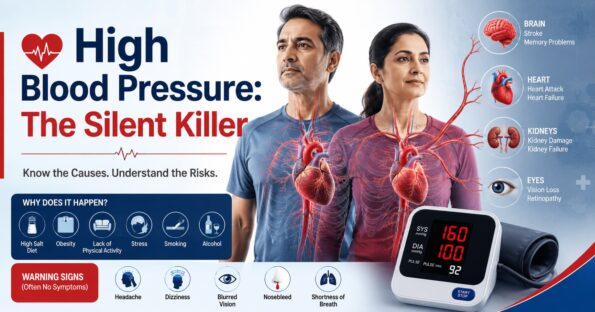
High Blood Pressure After 30: Causes, Symptoms & How to Lower It Naturally

High Blood Pressure After 30: Causes, Symptoms & How to Lower It Naturally

Introduction You’ve been feeling fine — maybe a little more tired than usual, maybe the occasional headache — and then a routine checkup delivers the number that changes everything: 138/88. Or 142/91. Suddenly you’re one of the roughly 122 million American adults living with high blood pressure, and it happened without a single dramatic symptom to warn you. This is exactly how hypertension earned its nickname, “the silent killer.” It rarely announces itself with pain. It just quietly reshapes your arteries, your heart, and your kidneys, year after year, while you go about your normal life feeling essentially okay. Turning 30 is often when this shift becomes measurable. Metabolism slows, stress compounds, sleep gets shorter, and decades of dietary habits start showing up on paper. The good news: blood pressure is one of the most responsive numbers in the body. Small, consistent changes can move it meaningfully within weeks. This guide breaks down exactly why it climbs after 30, how to recognize the warning signs, and the specific, evidence-backed strategies that actually bring the numbers down. Key Takeaways   1. What Is High Blood Pressure, Really? Blood pressure measures the force of blood pushing against your artery walls as your heart pumps. It’s expressed as two numbers: systolic (the pressure during a heartbeat) over diastolic (the pressure between beats). Both matter, and current guidelines pay close attention to each. The categories below, from the American Heart Association, are the reference point every doctor uses: Category Systolic (top #) Diastolic (bottom #) Normal Less than 120 and less than 80 Elevated 120–129 and less than 80 High Blood Pressure (Stage 1) 130–139 or 80–89 High Blood Pressure (Stage 2) 140 or higher or 90 or higher Hypertensive Crisis (seek care immediately) Higher than 180 and/or higher than 120 Notice how narrow the “normal” range actually is. A reading of 125/78 already sits in “elevated” territory — not an emergency, but a clear signal that your arteries are working harder than they should be, and a strong predictor of future hypertension if nothing changes. 2. Why Blood Pressure Climbs After 30 Blood pressure isn’t static — it drifts upward with age for a combination of biological and lifestyle reasons that tend to converge right around the 30s. None of this means high blood pressure is inevitable — it means the factors driving it are largely things you can actually influence, which is the encouraging part of this story. 3. Symptoms and Warning Signs You Shouldn’t Ignore Most people with high blood pressure feel completely normal, which is precisely what makes it dangerous. But at higher readings, or during a hypertensive crisis, symptoms can appear: When to Seek Immediate Care A reading of 180/120 or higher, especially paired with chest pain, shortness of breath, confusion, or vision changes, is a hypertensive crisis. Call 911 or go to the nearest emergency room — don’t wait it out. 4. Risk Factors: What You Can and Can’t Control Non-modifiable factors Modifiable factors The takeaway isn’t that genetics don’t matter — it’s that even with a strong family history, the modifiable factors above still meaningfully shift your personal risk. 5. How High Blood Pressure Is Diagnosed A single high reading in a doctor’s office doesn’t confirm hypertension — anxiety alone (often called “white coat syndrome”) can temporarily spike numbers. Diagnosis typically requires: This is why home monitoring has become such a valuable tool — it gives you (and your doctor) dozens of real-world data points instead of one potentially skewed office reading. Most primary care providers now actively encourage patients to track at home between visits. 6. Proven, Natural Ways to Lower Blood Pressure Follow the DASH eating pattern The Dietary Approaches to Stop Hypertension (DASH) diet is the most extensively studied eating pattern for blood pressure, consistently shown to lower systolic pressure by 8–14 points. It emphasizes vegetables, fruit, whole grains, lean protein, and low-fat dairy, while capping sodium around 1,500–2,300mg daily. Cut sodium, raise potassium Sodium and potassium work as a seesaw in your body — one raises pressure, the other helps release it. Bananas, potatoes, spinach, beans, and yogurt are potassium powerhouses worth adding daily. Move for 150 minutes a week Regular aerobic activity — brisk walking, cycling, swimming — strengthens the heart so it pumps more blood with less effort, directly lowering pressure on the artery walls. Even breaking this into 20–30 minute daily sessions produces measurable results within a few weeks. Protect your sleep Consistently getting under 6 hours of sleep is independently linked to higher blood pressure, regardless of diet or exercise habits. Undiagnosed sleep apnea is also a major, frequently overlooked driver worth ruling out with a doctor. Manage stress deliberately Chronic stress keeps cortisol and adrenaline elevated, which constricts blood vessels. Daily practices like deep breathing, short walks, or even five minutes of quiet before bed have shown measurable effects on blood pressure over time. Limit alcohol and quit smoking Both alcohol and nicotine directly raise blood pressure — alcohol by relaxing then rebound-constricting vessels, nicotine by triggering an immediate adrenaline spike. Reducing or eliminating either produces some of the fastest measurable improvements available. 7. Supplements and Tools That Support Healthy Blood Pressure Supplements are not a substitute for diet, movement, or prescribed medication — but a handful have genuine research behind them and can complement a heart-healthy routine: Beyond supplements, a reliable home blood pressure monitor is arguably the single most valuable tool you can own for cardiovascular health after 30 — it turns guesswork into data, and data is what lets you and your doctor catch small problems before they become big ones. Look for an upper-arm cuff model validated by the American Heart Association rather than a wrist device, which tends to be less accurate. 8. Common Mistakes People Make Managing Blood Pressure 9. Frequently Asked Questions Q: What is considered high blood pressure after 30? A: A reading of 130/80 mmHg or higher is classified as Stage 1 high blood pressure under current American

CONTINUE READING ➞
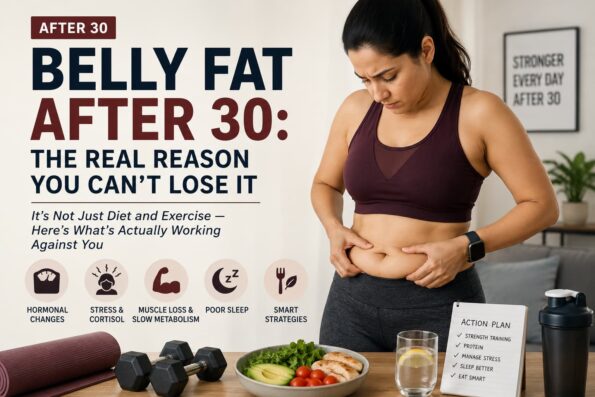
Belly Fat After 30: The Real Reason You Can’t Lose It

Belly Fat After 30: The Real Reason You Can’t Lose It

Diet and exercise not working on belly fat after 30? Discover the hormonal reasons why, and what actually helps you lose it. Introduction You’re eating better than you did in your 20s. You’re working out consistently, maybe even more than before. And yet that stubborn layer around your midsection barely budges — sometimes it seems to grow despite your best efforts. If this sounds familiar, you’re not imagining it, and you’re definitely not doing everything wrong. Belly fat after 30 behaves differently than it did in your 20s, because the internal environment driving it has quietly changed: hormones shift, metabolism slows, and stress accumulates in ways that specifically favor fat storage around the abdomen. This guide goes past the generic “eat less, move more” advice to explain the actual hormonal and metabolic reasons belly fat becomes so stubborn after 30 — and the specific strategies that address those root causes instead of fighting against them. Key Takeaways   1. Why Diet and Exercise Alone Aren’t Always Enough After 30 The standard advice — eat less, exercise more — isn’t wrong, but it’s incomplete. It assumes your body responds to calorie changes the same way it did a decade ago. After 30, several internal shifts change that equation. Your body isn’t working against you out of nowhere. It’s responding to a different hormonal and metabolic environment than it had in your 20s, which is exactly why the same approach that used to work can stop producing results. 2. The Real Reason: Hormonal Shifts Driving Belly Fat This is the part most generic advice skips entirely. Several hormones shift measurably after 30, and nearly all of them push fat storage toward the abdomen specifically: Hormone Why It Blocks Belly Fat Loss Insulin Resistance Cells stop responding well to insulin, so more sugar gets converted and stored as visceral (belly) fat instead of used for energy. Cortisol (Stress Hormone) Chronic stress keeps cortisol elevated, which specifically signals the body to store fat around the abdomen. Declining Estrogen / Testosterone Falling sex hormones after 30 shift fat storage patterns toward the midsection in both women and men. Slowing Thyroid Function A gradually slowing thyroid lowers resting metabolic rate, making calorie balance harder to maintain even with no diet changes. This is why two people eating identical diets can store fat completely differently — their hormonal environment, not just their calorie intake, determines where that fat ends up. 3. Visceral Fat vs. Subcutaneous Fat: Why Location Matters Subcutaneous Fat This is the fat you can pinch — it sits just under the skin and, while not ideal in excess, carries lower metabolic risk. Visceral Fat This deeper fat surrounds your organs and is metabolically active, releasing inflammatory compounds that worsen insulin resistance — creating a cycle that makes it especially resistant to typical dieting. Belly fat after 30 tends to shift toward this visceral type, which partly explains why it feels harder to lose than fat elsewhere on the body, even with the same effort that worked in the past. 4. The Cortisol-Stress Connection Your 30s often bring peak career demands, financial pressure, and family responsibilities — a recipe for chronically elevated cortisol. Unlike short bursts of stress, sustained high cortisol specifically signals your body to store more fat around the midsection as a survival mechanism. This means someone under constant stress can do everything else right — clean diet, regular workouts — and still struggle to lose belly fat until the underlying stress load is addressed. Worth Knowing Cutting calories further while already under high stress can backfire, since it adds another stressor that keeps cortisol elevated. Addressing stress directly is sometimes the missing piece. 5. Muscle Loss and Your Slowing Metabolism Starting around 30, adults lose roughly 3–8% of muscle mass per decade if strength training isn’t part of the routine. Since muscle burns more calories at rest than fat does, this quiet loss steadily lowers your resting metabolic rate. The practical effect: the same diet and cardio routine that maintained your weight at 25 may not be enough at 35, not because you’re doing anything wrong, but because your baseline calorie needs have genuinely changed. 6. Sleep’s Hidden Role in Belly Fat Storage Poor sleep disrupts two key appetite hormones — ghrelin and leptin — increasing hunger and cravings for high-calorie food the next day. It also raises cortisol, compounding the stress-driven fat storage described earlier. Adults consistently sleeping under 6 hours a night show measurably higher rates of abdominal fat gain in research, independent of diet quality — making sleep one of the most overlooked levers in this entire equation. 7. What Actually Works: Evidence-Based Strategies Prioritize Strength Training Resistance training two to three times a week directly counters age-related muscle loss and improves insulin sensitivity, addressing two root causes at once. Eat Enough Protein Aiming for roughly 0.7–1 gram of protein per pound of body weight supports muscle maintenance and keeps you fuller, making calorie management easier without extreme restriction. Manage Stress Actively Even 10 minutes of daily deep breathing, a short walk, or a consistent wind-down routine can measurably lower cortisol over time. Protect 7+ Hours of Sleep Treating sleep as a non-negotiable, not an afterthought, directly supports the hormones that regulate appetite and fat storage. Moderate Refined Carbs and Alcohol Both spike insulin and are metabolized in ways that particularly favor visceral fat storage — moderation here tends to move the needle faster than cutting fat or protein. 8. Common Mistakes People Make Trying to Lose Belly Fat 9. Supplements and Tools That Can Help No supplement replaces the fundamentals above, but a few have research supporting a role in the broader picture: 10. Frequently Asked Questions Q: Why is belly fat so hard to lose after 30? A: Hormonal shifts — including rising insulin resistance, elevated cortisol, and declining estrogen or testosterone — specifically favor abdominal fat storage after 30, making it more stubborn than fat elsewhere on the body. Q: Can you target belly fat

CONTINUE READING ➞
Why Is My Hair Thinning After 30? Causes, Treatments & What Actually Works

Why Is My Hair Thinning After 30? Causes, Treatments & What Actually Works

You notice it in the shower drain. On your hairbrush. In the bathroom mirror under harsh lighting that seems to have gotten crueler lately. Your hair — once thick and full — seems different now. Thinner. Less volume. A hairline that’s shifted, or a part that’s wider than it used to be. If you’re in your 30s and noticing more hair loss than you used to, you’re far from alone. Hair thinning after 30 affects roughly 40% of women and 50% of men by the time they reach their mid-30s to early 40s. But the reason it’s happening — and what you can do about it — is far more nuanced than most people realize. The good news: hair thinning is not always permanent. Many of the most common causes are treatable or reversible, especially when caught early. But first, you need to understand what’s actually driving the change — because the wrong treatment for the wrong cause is a waste of time and money. This guide breaks down every major cause of hair thinning after 30, explains the biology behind each one, and gives you a clear, prioritized roadmap of what to do — from the bloodwork to order, to the treatments that actually have clinical evidence behind them. Hair thinning after 30 is extremely common — affecting up to 40% of women and 50% of men — but it is not inevitable or always permanent. The most common causes include hormonal changes (DHT, estrogen decline), nutritional deficiencies (iron, vitamin D, zinc, biotin), chronic stress, thyroid dysfunction, and genetics. A blood panel is the single most important first step — it reveals whether a fixable deficiency or medical condition is driving your hair loss. Minoxidil (topical) is the only FDA-approved over-the-counter treatment proven to work for both men and women with pattern hair loss. Nutritional deficiencies — especially low iron/ferritin and vitamin D — are among the most commonly overlooked and most fixable causes of hair thinning. Early intervention dramatically improves outcomes — dormant follicles can often be reactivated, but fully scarred follicles cannot. 1. How Hair Growth Actually Works (And Why It Changes After 30) Before you can understand why your hair is thinning, it helps to understand how hair growth actually works. Your scalp contains approximately 100,000 hair follicles, each cycling independently through three distinct phases. The Three Phases of the Hair Growth Cycle On average, losing 50–100 hairs per day is completely normal — that’s just the telogen cycle in action. Hair thinning becomes a problem when either: (1) more follicles are pushed into the telogen phase than usual, causing increased shedding, or (2) the follicle itself miniaturizes over time, producing progressively finer, shorter hairs until it stops producing hair altogether. Normal daily shedding: 50–100 hairs per day is considered normal Concerning shedding: More than 150–200 hairs/day consistently warrants investigation Follicle count: Scalp contains ~100,000 follicles — you’re born with all you’ll ever have Anagen phase after 30: Shortens progressively, reducing maximum hair length and density 2. The Causes of Hair Thinning After 30 Hair thinning after 30 is rarely caused by a single factor. More often, it’s a combination of hormonal shifts, nutritional gaps, lifestyle stressors, and genetic predisposition working simultaneously. Understanding each cause helps you identify which ones apply to you — and which are most fixable. 🧬  CAUSE 01: HORMONAL CHANGES — DHT & ESTROGEN 👤 Affects: Men & Women The most well-established cause of age-related hair thinning is hormonal. In both men and women, testosterone is converted by an enzyme called 5-alpha reductase into dihydrotestosterone (DHT) — a more potent androgen that binds to receptors in hair follicles and causes them to shrink (miniaturize) over time. As follicles miniaturize, they produce progressively finer, shorter hairs until they eventually stop producing hair altogether. In men, this manifests as a receding hairline or thinning crown. In women — who have much lower DHT levels — the pattern is typically diffuse thinning across the top and crown of the scalp rather than a receding hairline. Women have an additional hormonal layer: estrogen, which prolongs the anagen (growth) phase and protects follicles from DHT’s effects. As estrogen declines through the 30s and into perimenopause, this protective buffer weakens — making follicles more susceptible to DHT-driven miniaturization. This is why many women notice significant hair thinning in their late 30s to mid-40s, often years before their official menopause. 🥗  CAUSE 02: NUTRITIONAL DEFICIENCIES — SILENT FOLLICLE KILLERS 👤 Affects: Men & Women Your hair follicles are among the most metabolically active cells in your body — they require a constant supply of specific micronutrients to sustain the energy-intensive hair growth cycle. Deficiencies in key nutrients don’t just slow growth; they can push follicles into the telogen (resting) phase prematurely, causing diffuse shedding and thinning across the scalp. The most impactful nutritional deficiencies linked to hair loss after 30: Iron and ferritin deficiency is the single most common reversible cause of hair thinning in women — even when iron levels appear technically ‘normal’ on a standard panel, ferritin (stored iron) below 40 ng/mL is associated with hair shedding. Vitamin D deficiency is extremely prevalent in adults over 30 and is directly linked to hair follicle function — vitamin D receptors are found in hair follicles and play a role in cycling them through growth phases. Zinc is essential for protein synthesis and cell division in hair follicles; even mild deficiency causes hair loss. Biotin deficiency, while less common than often marketed, does cause hair changes when genuinely deficient. Protein inadequacy — hair is composed almost entirely of keratin, a protein; insufficient dietary protein directly limits hair growth capacity. B12 and folate deficiencies, common in those who are plant-based or have absorption issues, impair red blood cell formation and nutrient delivery to follicles. 😰  CAUSE 03: CHRONIC STRESS & TELOGEN EFFLUVIUM 👤 Affects: Men & Women Telogen effluvium (TE) is a form of diffuse hair shedding triggered when a significant physical or psychological stressor causes a large proportion

CONTINUE READING ➞
The 30-Day Wellness Reset Plan for People in Their 30s

The 30-Day Wellness Reset Plan for People in Their 30s

There’s a moment many people in their 30s experience — a quiet realization that the body running on autopilot isn’t performing the way it used to. Energy dips that weren’t there before. Sleep that doesn’t fully restore. A few extra pounds that won’t budge no matter how hard you try. A general feeling of running just slightly below your best. This isn’t decline — it’s drift. And the good news is that drift is reversible. Your 30s are not a health plateau you’re stuck on; they’re actually one of the most powerful windows for building habits that will protect and energize your body for the next four decades. This 30-day wellness reset plan is built specifically for adults in their 30s who want to come back to baseline — and then push past it. It covers all four pillars of wellbeing that matter most at this stage of life: nutrition, movement, sleep, and mindset. No extreme dieting. No punishing workout schedules. No unrealistic overhauls. Just 30 days of strategic, science-backed daily actions — broken into weekly phases — that build on each other to create real, lasting change. Let’s reset. Your 30s are one of the best windows for building health habits — the body is still highly responsive, and the stakes are high enough to motivate change. A wellness reset works best when it addresses all four pillars simultaneously: nutrition, movement, sleep, and mindset. The plan is structured in four weekly phases — Foundation, Build, Deepen, Sustain — each with specific daily and weekly targets. Consistency over 30 days creates habit pathways; researchers estimate it takes 21–66 days for a behavior to become automatic. Small, strategic daily actions accumulate into profound change — you don’t need to overhaul everything at once. The goal isn’t to be perfect for 30 days. It’s to build a version of your daily life that supports your health for the long term. 1. Why Your 30s Are the Perfect Time for a Wellness Reset Most people think of their 30s as a time when health slowly starts declining — metabolism slows, recovery takes longer, sleep gets worse. And while some of those biological shifts are real, the framing is completely backwards. Your 30s are not a time to manage decline. They’re a time to invest strategically. Here’s why the 30s represent an especially powerful window for a wellness reset: Your Biology Is Still Highly Adaptable Unlike your 50s or 60s, your body in your 30s still responds rapidly and robustly to training, dietary changes, sleep optimization, and stress management. Muscle builds quickly with resistance training. Metabolic markers improve within weeks of dietary changes. Sleep quality responds fast to behavioral intervention. The adaptation potential is enormous. The Habits You Build Now Compound Over Decades Health habits are like compound interest — their value accumulates over time. A person who establishes strong sleep, nutrition, and exercise habits at 32 arrives at 50 in a completely different biological state than one who doesn’t. The 30-day reset you complete today is an investment that pays dividends for 30+ years. The Cost of Inaction Is Steepest in Your 30s The metabolic, hormonal, and musculoskeletal changes that begin in your 30s — slowing metabolism, declining testosterone or estrogen, decreasing bone density, rising cardiovascular risk — are all significantly modifiable with the right interventions. But they become much harder to reverse if left unaddressed for a decade. Muscle loss begins: Around age 30 — 3–5% per decade without resistance training Metabolism slows: Approx. 2–3% per decade after 30, largely driven by muscle loss Cortisol tends to rise: Chronic stress + busy lifestyle = elevated baseline cortisol by mid-30s The reset window: 30 days of consistent change is enough to see measurable results in all four pillars 2. The Four Pillars of This Wellness Reset This reset is built on four evidence-backed pillars that research consistently shows are the most impactful levers for adult health in the 30–50 age range. They interact and reinforce each other — improving one makes the others easier. Pillar 1: Nutrition Food is information for your body. The reset focuses on removing inflammatory triggers, increasing protein and micronutrient density, stabilizing blood sugar, and building a sustainable eating pattern — not a temporary diet. Pillar 2: Movement Movement in your 30s needs to be strategic. The reset builds a weekly rhythm of strength training, cardiovascular fitness, and active recovery — targeting the muscle preservation, metabolic health, and hormonal benefits your body specifically needs now. Pillar 3: Sleep Sleep is when everything repairs — hormones reset, muscles rebuild, the brain clears waste, and emotional regulation restores. The reset prioritizes sleep architecture by addressing timing, environment, and pre-sleep behavior simultaneously. Pillar 4: Mindset Stress management, emotional wellbeing, and a growth-oriented mindset are not soft extras — they are physiological requirements. Chronic psychological stress directly suppresses immunity, raises cortisol, disrupts sleep, and drives hormonal imbalance. The reset includes daily mindset practices. 3. Before You Begin: Setting Up for Success The difference between a wellness reset that works and one that fizzles by Day 5 is almost always preparation, not willpower. Take these steps before Day 1: Get a Baseline (Optional but Highly Recommended) Clear Your Environment Set Your Non-Negotiable Daily Anchors Choose three behaviors that you commit to doing every single day of the 30-day reset, regardless of how the rest of the day goes. These are your minimum viable wellness commitments — the keystone habits that hold everything else together. Good anchor choices: consistent wake time, 10 minutes of morning movement, and drinking 2L of water before dinner. 4. Week 1 (Days 1–7): Foundation — Clear the Clutter Week 1 is about removing what’s in the way. Before you can build new healthy patterns, you need to reduce the biological noise — the inflammatory foods, erratic sleep, sedentary behavior, and chronic stress response — that’s been suppressing your body’s natural capacity for health. Don’t try to be perfect this week. Focus on starting, staying consistent with your anchors, and

CONTINUE READING ➞
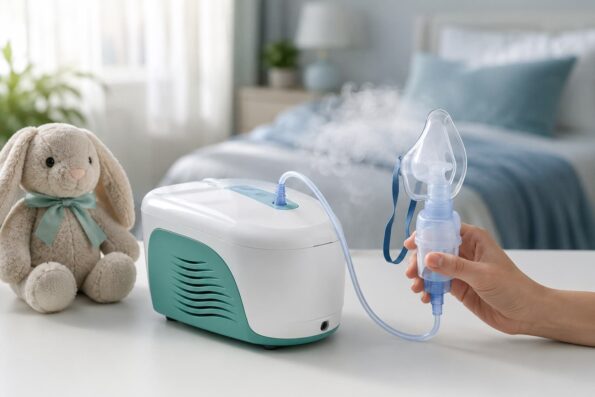
Low Noise Compressor Nebulizer for Child & Adult: Complete Guide (2026)

Low Noise Compressor Nebulizer for Child & Adult: Complete Guide (2026)

It is 2 a.m. Your child is wheezing. You reach for the nebulizer — and it roars to life like a small engine, startling them awake all over again. Sound familiar? For millions of families managing asthma, COPD, bronchitis, and allergic airway disease, this scenario plays out nightly. The equipment meant to provide relief is, ironically, adding stress. Enter the Low Noise Compressor Nebulizer — a category of medical-grade inhalation devices engineered specifically to deliver quiet, efficient, and effective aerosol therapy without the disruptive noise of older-generation compressors. Whether it is for a toddler with reactive airway disease or an adult managing chronic obstructive pulmonary disease, the quiet compressor nebulizer is fast becoming the preferred choice of pediatricians, pulmonologists, and home-care specialists alike. This guide covers everything: what a nebulizer actually is, how the low-noise compressor works, who it is designed for, what to look for when buying one, how to use it correctly, and what science says about compressor versus mesh nebulizers. By the end, you will know exactly how this device can fit into your family’s respiratory care routine. KEY TAKEAWAYS Compressor nebulizers convert liquid medication into breathable mist using compressed air — no heat, no ultrasound, preserving drug integrity. Low-noise models operate at 45–55 dB — quieter than a normal conversation — making them ideal for children and nighttime adult use. They are clinically effective for asthma, COPD, bronchitis, cystic fibrosis, and post-operative respiratory care. Proper mask fit, correct medication fill level (2–4 mL), and upright positioning are the three biggest factors in treatment efficacy. Universal compatibility: most compressor nebulizers work with all standard inhaled medications including salbutamol, ipratropium, and budesonide. Regular daily cleaning and weekly disinfection are non-negotiable for preventing medication contamination and respiratory infections. A nebulizer is a medical device that converts liquid medication into a fine aerosol mist fine enough to be inhaled deep into the lungs. Unlike metered-dose inhalers (MDIs), which require a coordinated breath-and-press technique, nebulizers deliver medication continuously through a mask or mouthpiece — making them especially suitable for young children, elderly patients, and anyone who finds inhaler coordination difficult during an acute episode. Conditions Commonly Treated With Nebulizers Nebulizers are also prescribed for patients who cannot use standard inhalers due to age, cognitive impairment, severe breathlessness, or physical disability. They are considered first-line devices for children under 5 years old in most clinical guidelines worldwide. 2. How a Low Noise Compressor Nebulizer Works Understanding the mechanism helps you use the device correctly and troubleshoot it effectively. The Compression Principle A compressor nebulizer contains an electric air pump — the compressor — that forces a high-velocity stream of compressed air through a narrow tube into the medication cup (also called the nebulizer chamber or drug reservoir). This jet of air hits the liquid medication and breaks it into microscopic droplets, creating an aerosol mist that the patient inhales through a connected mask or mouthpiece. The particle size produced is typically in the 1–5 micron range — small enough to bypass the upper airway and deposit directly in the bronchioles and alveoli where respiratory conditions originate. Why Low Noise? Conventional compressor nebulizers use large, single-piston air pumps that generate 60–70+ dB of operational noise — roughly equivalent to a loud conversation or a running vacuum cleaner. This level of noise is distressing for children and disruptive for nighttime treatments. Low-noise compressor nebulizers achieve their quieter operation through two engineering improvements: smaller, dual-piston or diaphragm pump systems that reduce mechanical vibration, and improved vibration-dampening housing materials that absorb rather than amplify pump noise. The result is operation in the 45–55 dB range — comparable to a quiet library or gentle background conversation. 🔊 NOISE FACT Standard compressor: 65–75 dB. Low-noise compressor nebulizer: 45–55 dB. That 20 dB difference is perceived by the human ear as roughly 4x quieter — a meaningful improvement for anxious children. 3. Key Features of the Low Noise Compressor Nebulizer (White) The white compressor nebulizer has become the dominant design choice in the home healthcare segment for practical reasons: it signals cleanliness and clinical trustworthiness, shows contamination easily (prompting cleaning), and maintains a neutral, non-intimidating aesthetic for child users. Here are the core features to understand. Ultra-Quiet Operation (45–55 dB) Engineered for use during sleep, in quiet households, and for noise-sensitive children. Many pediatricians now specifically recommend low-noise models for toddler asthma management to reduce treatment-associated anxiety. Universal Medication Compatibility Works with all standard aqueous nebulizer solutions including salbutamol (albuterol), ipratropium bromide, budesonide suspension, hypertonic saline, acetylcysteine, and amikacin. No proprietary cartridges or pods required. Dual Mask Set (Child + Adult) Includes two anatomically shaped masks — one pediatric (for ages 1–6) and one adult. Both are made from soft, medical-grade PVC for comfort during extended sessions of 10–15 minutes. Particle Size: 1–5 Microns (MMAD) Mass Median Aerodynamic Diameter in the therapeutic range ensures optimal deposition in the lower respiratory tract. This is the clinical standard for bronchodilator and corticosteroid delivery. Compact, Portable Design Typically weighs 600–900 grams. Fits easily on a bedside table, in a travel bag, or in a child’s backpack. AC-powered with a standard 2-pin plug; some models offer optional battery packs. Medication Cup Capacity: 6–10 mL Standard fill for nebulizer treatments is 2–4 mL. The larger cup reservoir allows for combination therapy (two medications mixed) and reduces the need for mid-treatment refills. Technical Specifications at a Glance Noise Level 45–55 dB Particle Size (MMAD) 1.0–5.0 microns Flow Rate 6–10 L/min Nebulization Rate 0.2–0.4 mL/min Medication Cup 6–10 mL capacity Treatment Time Approx. 8–15 minutes per session Power Supply AC 100–240V, 50/60 Hz Weight 600–900 grams Suitable Age Infants to elderly adults Warranty (typical) 1–2 years on compressor unit 4. Compressor vs. Mesh Nebulizer: Which Is Better? This is the most common question buyers face. Both types deliver aerosol medication — but they work differently and have different strengths. Here is an honest comparison. PROS CONS +  Lower cost (typically $30–$80 vs. $100–$250) –  Louder than mesh models (even low-noise versions) +  Works with all

CONTINUE READING ➞
The Complete Dumbbell Guide for Adults 30+: Build Strength, Burn Fat & Train Anywhere

The Complete Dumbbell Guide for Adults 30+: Build Strength, Burn Fat & Train Anywhere

You joined a gym six months ago. The treadmill feels like torture, the machines are always taken, and half the equipment looks like it requires an engineering degree. Meanwhile, a single pair of dumbbells sits in the corner — simple, unassuming, and criminally underrated. Here’s the thing: dumbbells are arguably the most versatile piece of fitness equipment ever invented. They’re affordable, compact, and capable of delivering a full-body workout that rivals anything a fully equipped gym can offer. For adults over 30 — a group that deals with slowing metabolism, joint sensitivity, and packed schedules — dumbbells aren’t just convenient. They might be your best possible fitness tool. In this guide, you’ll learn everything: which dumbbells to buy, how to use them safely, the best exercises for fat loss and muscle gain after 30, and how to build a sustainable program you’ll actually stick to. KEY TAKEAWAYS Dumbbells activate stabilizer muscles that machines miss, making every rep more effective for functional strength. For adults over 30, resistance training with dumbbells helps counteract the natural 3–8% per decade muscle loss (sarcopenia). Adjustable dumbbells offer the best value for home gyms — one set replaces a full rack. A 3-day-per-week full-body dumbbell routine is enough to build muscle, burn fat, and improve metabolic health. Progressive overload (gradually adding weight or reps) is the single most important principle for continued results. Protein intake (0.7–1g per pound of bodyweight) combined with dumbbell training accelerates fat loss after 30. 1. Why Dumbbells Are the Perfect Tool for Adults Over 30 After 30, your body starts to change in ways that make smart training more important than ever. Muscle mass begins its slow decline. Metabolism softens. Recovery takes longer. Hormones shift. These changes don’t mean you can’t get into incredible shape — but they do mean that the type of training you choose matters more. Dumbbells address nearly every challenge that adults over 30 face when it comes to fitness. They Build Functional Strength Unlike fixed machines, dumbbells require you to stabilize the weight independently. This recruits smaller stabilizer muscles that machines skip entirely, building the kind of real-world strength that makes carrying groceries, playing with your kids, or avoiding injury in daily life much easier. They Protect Aging Joints Barbells lock your wrists and elbows into a fixed path. Dumbbells allow each arm to move naturally, reducing joint stress significantly — a major benefit for anyone with shoulder, elbow, or wrist sensitivity. They Fight Sarcopenia Sarcopenia — age-related muscle loss — begins in your 30s and accelerates if you don’t train. Research published in the Journal of Strength and Conditioning Research shows that resistance training is the most effective intervention to preserve and rebuild muscle tissue at any age. Dumbbells deliver that stimulus efficiently. They’re Supremely Versatile Upper body, lower body, core, cardio, mobility — dumbbells handle all of it. You can do a pressing movement, a hinge, a squat, a carry, and a rotation all with the same tool. That’s hard to match. 2. Types of Dumbbells: Which One Should You Buy? Walk into any sporting goods store and you’ll find a confusing array of options. Here’s a clear breakdown of the four main types, so you can choose the right one for your goals and budget. #1  Fixed Rubber-Coated Dumbbells  •  5–100+ lbs Best for: Commercial gyms, anyone who wants durability The gold standard for gym floors. Rubber coating protects both the weight and your floors. Hex-shaped rubber dumbbells don’t roll, are easy to grip, and last decades. Downside: they’re expensive when bought as a full set. #2  Adjustable Dumbbells (Dial or Pin)  •  5–90 lbs (single pair) Best for: Home gym owners, small spaces One set replaces an entire rack. Brands like Bowflex SelectTech and PowerBlock allow you to change weight with a dial or pin in seconds. Slightly bulkier, but the best value-per-square-foot option for a home gym. #3  Cast Iron Dumbbells  •  5–100+ lbs Best for: Budget-conscious buyers, classic lifters Affordable and durable. They’re not coated, so they can scratch floors and rust if left damp. Best used with rubber floor mats. A great starter option if you buy a few pairs incrementally. #4  Neoprene Dumbbells  •  1–15 lbs Best for: Beginners, seniors, light toning workouts Colorful, soft-grip, and comfortable — but limited in weight range. Perfect for warm-up circuits, mobility work, or rehabilitation. Not suited for progressive strength training. 3. How to Choose the Right Weight One of the most common mistakes beginners make is starting too light or too heavy. Here’s a simple guide based on the movement type. RULE The right weight should make your last 2–3 reps of each set feel genuinely challenging — but never so heavy that your form breaks down. General Starting Weight Ranges for Adults 30+ These are starting points. As you progress, you’ll need heavier weights — which is why adjustable dumbbells or a small rack of multiple pairs is ideal for long-term training. The Progressive Overload Principle Progressive overload means gradually increasing the challenge — either by adding weight, doing more reps, or adding sets. Without this, your body adapts and results plateau. A simple rule: when you can complete all reps of a set with good form, increase the weight by 5 lbs at your next session. 4. The 8 Best Dumbbell Exercises for Adults 30+ These eight exercises were selected for their effectiveness, joint-friendliness, and suitability for a wide range of fitness levels. Together, they train every major muscle group. Dumbbell Goblet Squat 3–4 sets  ×  10–15 reps  |  Targets: Quads, glutes, core Pro Tip: Hold the dumbbell vertically at your chest with both hands. Keep your elbows in, chest up, and knees tracking over your toes. This front-loaded position naturally encourages an upright torso — perfect for adults with lower back sensitivity. Romanian Deadlift (RDL) 3 sets  ×  10–12 reps  |  Targets: Hamstrings, glutes, lower back Pro Tip: Hold dumbbells in front of your thighs, hinge at the hips, and lower weights along your legs until

CONTINUE READING ➞
Sleep Problems After 30: Why It Happens and How to Sleep Better Tonight

Sleep Problems After 30: Why It Happens and How to Sleep Better Tonight

You used to fall asleep the moment your head hit the pillow. Now you’re lying in the dark, mind racing, staring at the ceiling at 2 AM — or waking up after what should’ve been a solid eight hours feeling like you barely slept at all. You’re not alone. Sleep problems after 30 are remarkably common — and they’re not just about stress or a bad mattress. The way your body generates, regulates, and cycles through sleep actually changes in measurable biological ways as you move through your 30s, 40s, and beyond. The consequences go far beyond feeling groggy. Poor sleep is now linked to weight gain, hormonal imbalance, cardiovascular disease, accelerated cognitive decline, immune suppression, and dramatically increased risk of anxiety and depression. In other words, sleep isn’t passive recovery time — it’s when your body does its most critical maintenance work. This guide explains exactly why sleep changes after 30, what’s happening in your brain and body, and gives you a comprehensive, science-backed roadmap to reclaiming the deep, restorative sleep your body is designed to get. Sleep architecture shifts after 30 — you get less deep (slow-wave) sleep and wake more easily due to biological changes, not just lifestyle. Hormonal changes — including declining melatonin, rising cortisol, and shifting estrogen/testosterone — directly disrupt sleep quality. Chronic sleep deprivation after 30 accelerates weight gain, hormonal decline, cognitive fog, and cardiovascular risk. Sleep hygiene is the foundation — consistent timing, temperature, darkness, and screen limits make a bigger difference than most supplements. Magnesium, L-theanine, and melatonin are among the most evidence-backed supplements for sleep quality in adults over 30. Cognitive behavioral therapy for insomnia (CBT-I) is considered more effective than medication for chronic sleep problems and has no side effects. 1. Why Sleep Changes After 30: The Biology Behind It Many people assume their worsening sleep is simply a consequence of having more responsibilities — a demanding career, kids, a mortgage, an ever-growing to-do list. And while stress certainly plays a role, the truth is that your biology is also quietly changing in ways that make quality sleep harder to achieve. The Circadian Clock Shifts Your circadian rhythm — the internal 24-hour clock that governs your sleep-wake cycle — becomes less robust with age. The amplitude of your circadian signal decreases, meaning the contrast between your ‘wake signal’ during the day and ‘sleep signal’ at night becomes less pronounced. The result: you feel less alert during the day and less sleepy at bedtime. Melatonin Production Declines Melatonin, the hormone produced by the pineal gland to signal ‘nighttime’ to the body, begins declining in your early 30s and continues dropping across subsequent decades. Lower melatonin doesn’t just make it harder to fall asleep — it also weakens the circadian signal that helps you stay asleep and wake at consistent times. Sleep Drive Weakens Adenosine — the chemical that builds up in your brain during waking hours and creates ‘sleep pressure’ — accumulates more slowly as you age. This means you may not feel as powerfully sleepy at bedtime as you did in your 20s, making it easier to delay sleep and harder to fall into deep, consolidated rest. 2. How Your Sleep Architecture Shifts with Age Sleep isn’t one continuous state — it’s a structured cycle of distinct stages, each serving different biological purposes. Understanding what happens to these stages after 30 explains why you might be sleeping the same number of hours but waking up feeling far less rested. STAGE DURATION WHY IT MATTERS Stage 1 (NREM) 5–10 min Light sleep; transition from wakefulness. Easy to wake. No real restoration. Stage 2 (NREM) 20–30 min Body temp drops, heart rate slows. Memory consolidation begins. Immune support. Stage 3 (Deep) 20–40 min Slow-wave sleep. Growth hormone released. Cellular repair, testosterone production. REM Sleep 10–60 min Dreaming, emotional processing, creativity, long-term memory consolidation. Here’s the critical issue: after 30, the proportion of time you spend in Stage 3 (deep slow-wave sleep) decreases significantly. Research suggests adults lose roughly 2% of deep sleep per decade starting in their 30s. By your 40s and 50s, you may be getting half the deep sleep you enjoyed in your 20s. Deep sleep is when human growth hormone is released, when cellular repair happens, when the brain clears metabolic waste products (including amyloid proteins linked to Alzheimer’s), and when testosterone is produced in men. Less deep sleep means less of all of that — and it shows up in how you look, feel, and perform. 3. The Hormonal Sleep Connection Most People Miss Sleep and hormones exist in a bidirectional relationship — poor sleep disrupts hormones, and hormonal shifts disrupt sleep. After 30, this feedback loop can become a frustrating cycle that’s hard to break without understanding what’s driving it. Cortisol and the Stress-Sleep Spiral Cortisol naturally follows a diurnal curve — high in the morning to get you moving, gradually declining throughout the day, and lowest at night to allow sleep. Chronic stress, poor sleep, overtraining, or even excessive screen time in the evening can flatten or dysregulate this curve, keeping cortisol elevated when it should be falling. Elevated evening cortisol actively suppresses melatonin and prevents the transition into deep sleep. Women: Estrogen, Progesterone, and Perimenopause Women in their 30s and 40s often notice sleep deteriorating years before menopause officially begins. This is because estrogen and progesterone — both of which have sleep-protective properties — begin fluctuating during perimenopause (which can start as early as the mid-30s). Progesterone, in particular, has a calming, sleep-promoting effect through its influence on GABA receptors. Declining progesterone means lighter, more fragmented sleep. Men: Testosterone and Sleep Quality Testosterone is primarily produced during deep sleep — specifically during the early morning REM and slow-wave cycles. Low testosterone impairs sleep quality, and poor sleep suppresses testosterone. Men over 30 experiencing both declining T and sleep issues are often caught in this exact hormonal-sleep spiral. Did You Know? A 2011 study in JAMA found that young men who slept just 5 hours

CONTINUE READING ➞
Testosterone Drop After 30: Symptoms Every Man Should Know (And How to Fix It)

Testosterone Drop After 30: Symptoms Every Man Should Know (And How to Fix It)

You’re hitting the gym, sleeping reasonably well, and keeping stress in check — but something still feels off. You’re more tired than usual, your mood is unpredictable, and the body you worked hard for seems harder to maintain. Sound familiar? You’re not imagining it. After age 30, testosterone — the hormone that defines much of what makes a man feel like himself — begins a slow, steady decline. Research shows that testosterone levels drop by roughly 1% per year starting in the early 30s. By the time many men hit 40 or 50, they’re running on significantly lower levels than they were in their prime. The problem? testosterone drop after 30! Most men chalk these symptoms up to stress, aging, or ‘just feeling tired.’ They never connect the dots back to their hormones. And that delay in recognition can cost them years of energy, strength, vitality, and wellbeing. This guide breaks down exactly what happens to testosterone after 30, the symptoms you should never ignore, why it matters for your long-term health, and the practical steps you can take — starting today — to reclaim your hormonal health naturally. Testosterone naturally decreases by about 1% per year after age 30 — it’s a biological reality, not a failure. Common symptoms include fatigue, low libido, mood swings, weight gain, and muscle loss — often mistaken for stress or aging. Lifestyle factors like poor sleep, chronic stress, and a bad diet accelerate testosterone decline significantly. Compound exercises like squats and deadlifts are among the most powerful natural testosterone boosters available. Key nutrients — zinc, vitamin D, magnesium — play a direct role in testosterone production and can be optimized through diet or supplements. If symptoms are severe or persistent, a simple blood test can confirm low testosterone and open the door to medical or natural treatment. 1. What Is Testosterone and Why Does It Drop After 30? Testosterone is the primary male sex hormone, produced mainly in the testes and regulated by a complex feedback system involving the brain and pituitary gland. It’s responsible for a wide range of functions — far beyond just sex drive. Peak testosterone levels occur in your late teens and early 20s. After that, levels plateau and then begin declining gradually. While the rate varies by individual, the clinical consensus is that most men experience a 1–2% annual decline starting somewhere between ages 30 and 35. What Testosterone Controls in Your Body This broad influence is exactly why low testosterone affects so many areas of life simultaneously — and why it’s often misdiagnosed or overlooked. Normal Range (Ages 30–45): 400–900 ng/dL (nanograms per deciliter) Low T Threshold: Below 300 ng/dL (clinical hypogonadism) How to Test: Morning blood draw; results available within 24–48 hours 2. The Top Warning Signs of Low Testosterone in Men One of the most frustrating things about declining testosterone is how gradually it happens. There’s no single day when you wake up and feel dramatically different. Instead, symptoms creep in slowly — often over months or years — making them easy to dismiss. Here are the key symptoms every man over 30 should be aware of: Physical Symptoms Sexual Symptoms Emotional and Cognitive Symptoms Important Note Experiencing one or two of these symptoms occasionally doesn’t necessarily mean you have low testosterone. However, if several of these symptoms are persistent and affecting your quality of life, it’s worth getting your levels tested. A simple morning blood test is all it takes. 3. How Low T Affects Your Body Composition and Metabolism If you’ve noticed your body changing in ways that diet and exercise don’t seem to fix, testosterone could be the underlying culprit. Low testosterone has a profound and direct impact on how your body stores fat and builds muscle. The Muscle-Fat Tradeoff Testosterone drives muscle protein synthesis — the process by which your body repairs and builds muscle fibers after exercise. When T-levels drop, this process slows down. You may find that you’re working just as hard in the gym but seeing fewer results. Worse, the muscle you’ve built becomes harder to maintain. At the same time, low testosterone is associated with increased visceral fat — the dangerous kind that accumulates around your organs and drives inflammation, insulin resistance, and cardiovascular risk. The Metabolic Cascade This creates a vicious cycle: low testosterone leads to more fat, more fat leads to more estrogen, more estrogen suppresses testosterone further. Breaking this cycle requires addressing testosterone directly — not just calorie restriction. 4. The Mental Health Side Nobody Talks About The conversation around testosterone is almost always about muscles and sex drive. But the mental health implications of declining testosterone are equally significant — and far less discussed. Testosterone receptors exist throughout the brain, including in regions responsible for mood regulation, motivation, and emotional processing. When T-levels fall, the neurochemical balance shifts in ways that can profoundly affect how you feel, think, and relate to the world. Testosterone and Depression Studies have found a strong correlation between low testosterone and clinical depression in men. In many cases, men who don’t respond to antidepressants are found to have low testosterone — and when their levels are restored, mood improves significantly. This doesn’t mean every depressed man has low T, but it’s a variable worth exploring. Motivation, Drive, and Identity Many men with low testosterone describe losing their competitive edge — the drive to pursue goals, lead, build, and create. This isn’t just about ambition. Testosterone is tied to dopaminergic function, the brain’s reward system. Lower T can dull the satisfaction you get from achievement, making everything feel a bit pointless. 5. Key Lifestyle Factors That Accelerate Testosterone Decline While age-related testosterone decline is natural, many men are losing testosterone far faster than necessary — thanks to modern lifestyle patterns that actively suppress hormonal health. Chronic Sleep Deprivation Most testosterone is produced during deep sleep — specifically during REM cycles in the early morning hours. Studies show that men who sleep fewer than 5 hours per night can

CONTINUE READING ➞
My Cart
Wishlist
Recently Viewed
Categories
Compare Products (0 Products)